


🎃👻 If you haven’t noticed yet, we’re officially in SPOOKY SEASON! 🦇🕷️
And what better way to celebrate than with some frightfully delicious Halloween treats? 🧁🍫
From **batty chocolate cupcakes to creepy, blood-dripping treats**, these boo-tiful recipes from McKenzie’s are perfect for getting the kids into the kitchen and creating some spooky sweet memories together!
✨ Easy to make
🧁 Deliciously chocolatey
👩🍳 Perfect for little kitchen helpers
With Halloween creeping closer, it’s time to get baking, get creative and whip up treats that will have everyone screaming… for more! 🧡🎃
👉 Discover these spooky cupcake recipes and get your little monsters baking!

🎃 Looking for a fun Halloween treat the kids will love? These adorable Pumpkin Mini Cupcakes are almost too cute to eat!
Made with pumpkin puree, crunchy peanut butter and warming spices, then topped with creamy orange icing and a little pretzel stalk, they’re perfect for Halloween parties, school treats or a fun afternoon of baking with the kids. 🧁🧡
✨ Easy to make
🎃 24 bite-sized cupcakes
🥜 Packed with delicious peanut butter flavour
👩🍳 A fun recipe to make together
Get the recipe and let the little bakers create their own pumpkin patch! 🎃

💸 Ever wonder how your pay disappears so quickly — even when you’re trying to do everything right?
Groceries, bills, school costs, rising expenses… it can feel like your money is gone before the next payday even arrives. 😩 And sometimes, the problem isn’t your spending — it’s the financial pressures families are facing every day.
💛 So, what can you do when your family budget just isn’t working anymore?
Discover what’s really putting pressure on Australian households, why the usual budgeting advice doesn’t always cut it, and the practical, research-backed ways to get your family finances back on track.
Because every family deserves a little more financial breathing room.

💔 What if leaving a dangerous home meant leaving your beloved pet behind? 🐾
For many families experiencing domestic violence, a much-loved pet can be a source of comfort, love and safety — but the fear of leaving them behind can become another barrier to escaping abuse. 💔
🇦🇺 An Australian-first roadmap is calling for change, urging governments to help protect both people and the animals they love through safer, pet-friendly accommodation, stronger legal protections and better support for victim-survivors.
Because no family should have to choose between their safety and the animal who feels like family. ❤️🐶🐱
Discover what needs to change — and why protecting people and pets must go hand in hand. 🐾

👀 Wait… are your toddler’s legs supposed to look like that? 🤔💛
🤔 Are you wondering why your toddler’s legs don’t look “straight”? From adorable bowlegs to the classic knock-knees, these are often just normal parts of growing up! 💛👶🦵
Watching your little one grow comes with plenty of questions, and the way their legs develop can sometimes leave parents wondering what’s normal.
The good news? 🥰 Bowed legs and knock-knees are often a natural part of childhood development and usually improve as children grow.
But how do you know what’s typical, how can you track their progress, and when should you seek extra help? 👣
Discover what to expect at different ages, how to monitor your child’s leg development, and the signs parents shouldn’t ignore. Give those little legs the attention they need, without unnecessary worry! ❤️
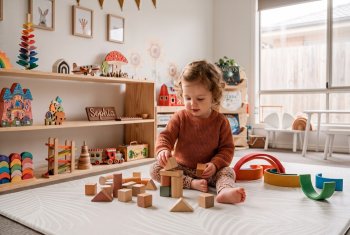
🧸✨ A play corner doesn’t need to be Pinterest-perfect to be a little world of wonder for your child!
From comfy playmats to clever storage and spaces that spark imagination, discover how a few simple changes can help make playtime more inviting, practical and fun. 🧩🌈
Because it’s not about creating the *perfect* playroom — it’s about creating a space where little minds can explore, create and play their way. ❤️🏡

😩 It’s 5:40pm. Everyone’s hungry. And now you’re trying to figure out a dinner that works for everyone!
When someone in the family is cutting back on gluten, does that mean cooking two separate meals? **Not at all!** ❤️
From spaghetti bolognese and taco night to crispy crumbed chicken and beef stir-fry, a few clever swaps can keep family favourites firmly on the menu — without adding more stress to your already busy evening.
🍽️ **Discover 8 easy weeknight dinners, simple gluten-free swaps and practical meal-planning tips to make feeding the family easier.**
Because dinner is complicated enough without cooking twice!
👉 Read the article for ideas you can put on the table tonight.
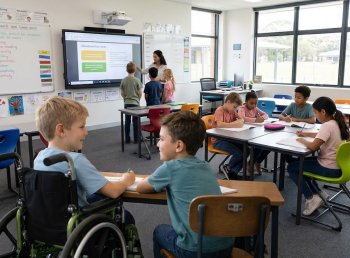
💙 Every child deserves to belong. But are we giving our children the tools to understand what inclusion really means?
Inclusion is about more than sharing a classroom. It’s about seeing beyond disability, challenging assumptions and learning to recognise what every person can contribute.
🏀 From experiencing adaptive sport to hearing first-hand stories from people living with disability, discover how powerful, practical experiences can help children develop empathy, break down barriers and rethink what they believe is possible.
Because the attitudes our children develop today can shape the way they treat others tomorrow.
So, how do we raise a generation that doesn’t just talk about inclusion, but lives it?
Discover why creating a world where everyone belongs starts long before the school bell rings. 💙

Ever feel like your family’s healthy habits disappear the moment life gets busy? ❤️
You start with the best intentions… then school runs, work, activities, sickness and those exhausting evenings get in the way.
The good news? It may not be a lack of willpower.
New Australian research reveals just how common it is for health and wellbeing changes to fall by the wayside, while habit expert Dr Gina Cleo explains why small, realistic changes may be far more effective than an all-or-nothing approach.
From recognising the cues behind automatic sugar habits to making healthier choices easier to repeat, discover 5 simple ways to help healthy family habits actually stick.
Because healthy living doesn’t have to mean being perfect every day. 💛

Get parenting advice and support delivered right to your inbox
We'd love to hear what you think of the website, so we can continue to improve it . . . GIVE YOUR FEEDBACK >
Un nouveau casino en ligne français peut présenter de nouvelles fonctionnalités, jeux et options de paiement, mais ses conditions d’utilisation doivent être examinées avant toute utilisation.