
Kiddipedia Sleep Support
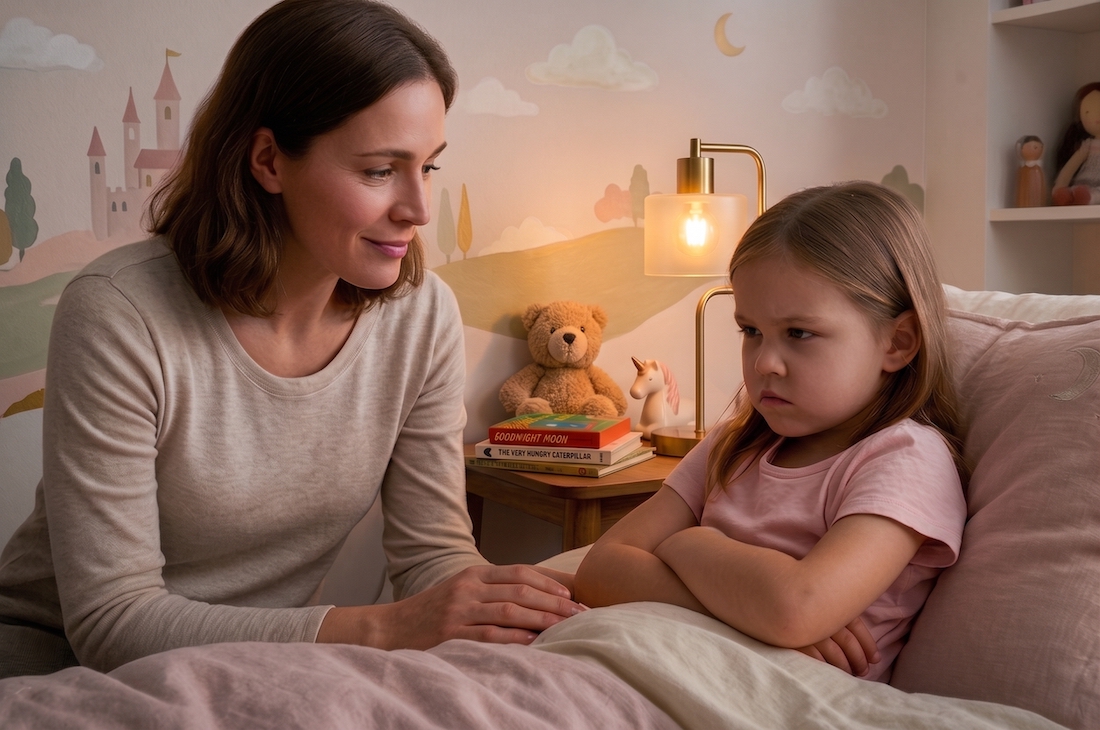
Bedtime. For so many parents, it can feel like the longest part of the day. You’ve done dinner, bath, brushed teeth, packed tomorrow’s lunch, and finally—finally—tucked your child into bed. And then come the requests: one more story, one more glass of water, one more cuddle. Before you know it, an hour has passed, and you’re still negotiating sleep. Sound familiar? You’re not alone.
What’s important to know is this: when children stall bedtime, it’s not usually about being “naughty” or trying to test limits. More often, it’s an emotional expression. Whether it’s separation anxiety, fear of missing out, or needing reassurance after a busy day, bedtime resistance is your child’s way of communicating that they need a little more from you before they can fully let go and drift off. Understanding the “why” behind bedtime battles can make evenings calmer, more connected, and a lot less stressful for both you and your child.
Emotional and Psychological Reasons Kids Delay Bedtime
Infants (0–12 months)
Reasons for bedtime resistance:
-
Separation anxiety: Babies may feel distress when separated from caregivers.
-
Overstimulation: Babies exposed to too much sensory input may resist sleep.
-
Discomfort or unprocessed emotions: Hunger, teething pain, or general discomfort can manifest as bedtime fussiness.
Emotional/psychological state:
-
They are learning trust and security; bedtime may feel like an abrupt loss of comfort.
-
Emotional regulation is undeveloped, so any stress or discomfort triggers strong reactions.
Toddlers (1–3 years)
-
Separation Anxiety – At this age, your toddler’s bond with you is their whole world. Saying goodnight feels like saying goodbye, and that can trigger real distress.
-
Fear of Missing Out (FOMO) – Even very young children sense when the “fun” continues after bedtime. They don’t want to miss a thing.
-
Boundary Testing – Saying “no” or delaying sleep is one of the first ways toddlers explore independence.
Emotional/psychological state:
-
Fear of missing out (FOMO) or abandonment concerns.
-
Struggling with impulse control and emotional regulation.
-
Experiencing frustration or a need for attention from caregivers.
Summary: Toddlers are learning trust. If bedtime feels like a separation, they may cling tighter to you as reassurance.
Preschoolers (3–5 years)
-
Active Imaginations – Their growing minds can conjure up monsters, shadows, or scary thoughts at night.
-
Need for Control – Saying “just one more story” gives them a sense of choice and autonomy.
-
Emotional Overflow – After a busy day of new learning and play, bedtime is often when bottled-up feelings come out.
Emotional/psychological state:
-
Developing awareness of fears and anxieties.
-
Emotional regulation is still emerging; sleep routines may feel restrictive.
-
Seeking security, reassurance, and connection with caregivers
Emotional/psychological state:
-
Developing awareness of fears and anxieties.
-
Emotional regulation is still emerging; sleep routines may feel restrictive.
-
Seeking security, reassurance, and connection with caregivers.
Preschoolers are trying to balance their independence with a need for your comfort.
Early Elementary (6–8 years)
Reasons for bedtime resistance:
-
Fear of missing out: Social events, TV, or games.
-
Anxiety: School-related worries, friendships, or new experiences.
-
Difficulty transitioning from active to quiet time.
-
Desire for independence or procrastination habits are developing.
Emotional/psychological state:
-
Growing cognitive awareness; can ruminate on worries.
-
Developing self-identity and autonomy.
-
Emotional self-soothing skills are still limited, leading to stalling behaviours.
Summary: These children are navigating bigger worlds—school, friendships, learning. Bedtime becomes a safe space to process emotions with you.
Tweens (9–12 years)
Reasons for bedtime resistance:
-
Academic or extracurricular stress is causing anxiety.
-
Increased screen time: Hyperarousal from devices delays sleepiness.
-
Social concerns: Friendships, bullying, or peer pressure may occupy thoughts.
-
Desire for more independence: Resisting parental control over bedtime.
Emotional/psychological state:
-
Emotional regulation improves but stress can manifest as procrastination.
-
Fear of missing out or loss of autonomy may feel significant.
-
Worries about school or social life can prevent relaxation.
-
Increased Independence Tweens often push boundaries, including bedtime.
-
Anxiety & Overthinking Academic expectations, social challenges, and self-awareness can all peak at night.
-
Need for Privacy vs. Comfort They may resist comfort outwardly but still crave reassurance.
Summary: Tweens are in between worlds—no longer little kids, not yet teenagers. Bedtime stalling can reflect both a need for autonomy and hidden worries.
Teenagers / Adolescents (13+)
-
Circadian Rhythm Shifts – Research shows teens’ biological clocks naturally make them “night owls.”
-
Social Connections – Phones, friends, and online chats often keep them up late.
-
Stress & Emotional Load – Exams, identity, and relationships can fuel late-night wakefulness.
Emotional/psychological state:
-
Emotional regulation is maturing, but teens may experience heightened stress or mood swings.
-
Fear of missing out on social interactions or media.
-
Sleep avoidance can be a symptom of underlying anxiety or depressive symptoms.
What’s really going on: Teens often resist sleep for both biological and social reasons. Beneath that, they may also be processing stress they don’t share openly.
Key Emotional Themes Across Ages:
-
Separation anxiety: Common in younger children; can manifest as clinging, stalling, or distress.
-
Autonomy and control: Common in toddlers through adolescents; bedtime may feel like a restriction on independence.
-
Fear and anxiety: Nightmares, school worries, or social concerns can interfere with sleep.
-
Overstimulation: Busy days, screens, and lack of wind-down time can trigger resistance.
-
Emotional regulation struggles: Children across ages may have difficulty calming themselves to sleep.
-
Attention seeking: Delaying sleep may be a way to get connection or validation from parents.
How Parents Can Support Their Child
-
Routine & Consistency – A predictable bedtime routine helps signal safety.
-
Connection First – Fill your child’s “emotional cup” with cuddles, chats, or reading together before lights out.
-
Validate Feelings – Instead of dismissing fears or worries, acknowledge them: “I know it feels scary right now, and I’m here with you.”
-
Offer Choices – Let kids pick their bedtime story or nightlight to give them a sense of control.
-
Model Calm – Kids sense your energy. If you’re rushed or frustrated, they’ll feel it too.
Expert Insights
According to the Sleep Health Foundation, establishing a consistent bedtime routine is crucial for children’s emotional and physical development. Their guidelines emphasise the importance of a predictable routine to help children feel secure and ready for sleep.
The Raising Children Network highlights that routines, reassurance, and patience play a significant role in easing bedtime struggles. Their resources suggest that a consistent bedtime routine can help children feel secure and ready for sleep.
Professor Harriet Hiscock, a paediatrician and sleep expert at the Murdoch Children’s Research Institute, notes that bedtime resistance often signals unmet emotional needs, not disobedience. Her research emphasises the importance of understanding the underlying emotional factors contributing to bedtime challenges.
Final Thoughts
If bedtime battles are a regular part of your evenings, please know this: you’re not failing, and your child isn’t being difficult for the sake of it. These moments are windows into their inner world. By slowing down, listening, and gently guiding them through their feelings, you’re not only helping them sleep, you’re building trust, connection, and resilience that will last well beyond childhood.
Some nights will still be hard. That’s okay. But every time you meet your child with patience and empathy, you’re giving them the gift of security. And that’s something they’ll carry with them long after bedtime battles are over.
Sources
-
Dr. Laura Conway – Co-director of Infant Sleep Australia and Children’s Sleep Australia. Expert in resolving sleep challenges and creating peaceful bedtime routines. Learn more
-
Dr. Daniel Golshevsky (Dr. Golly) – Paediatrician and Baby Sleep Expert. Advocates consistent bedtime routines and winding down before sleep.
Read more -
Children’s Sleep Australia – Specialists in child sleep disorders, providing neuro-affirming care for children aged 4–17 years. Visit website
-
Little Yawns Sleep Co – Evidence-based, personalised sleep support for babies and toddlers, tailored to family values and routines.
Explore Little Yawns -
Rebel Kids – Toddler sleep packages and parenting coaching, empowering parents to handle bedtime routines and nighttime fears.
Explore Rebel Kids
Australian Research and Evidence-Based Resources
-
Murdoch Children’s Research Institute (MCRI) – Centre for Community Child Health; research on sleep habits and emotional regulation in children. Professor Harriet Hiscock – Murdoch Children’s Research Institute
-
Raising Children Network – Provides guidelines on sleep for children and teens, and practical advice for establishing healthy sleep routines. Raising Children Network – Bedtime Routines
-
Kids Health Info – The Royal Children’s Hospital – Fact sheet on common sleep problems in children and teens and strategies for parents.
Read fact sheet -
Australian Institute of Family Studies (AIFS) – Growing Up in Australia Study; data on teen sleep habits and trends in insufficient sleep.
Access report -
Sleep Health Foundation – Behavioural sleep problems in children: professional guidelines for addressing bedtime resistance. Sleep Health Foundation – Sleep in Children
Recent Australian Studies and Programs
-
-
Royal Children’s Hospital National Child Health Poll – Survey on prevalence of sleep problems in Australian children, with factors such as screen time and irregular routines.
Read full report -
Australian Rotary Health – Lights Out for Little Kids Program – Early intervention program showing improvements in sleep resistance and daytime alertness.
Learn more
-