


kiddi
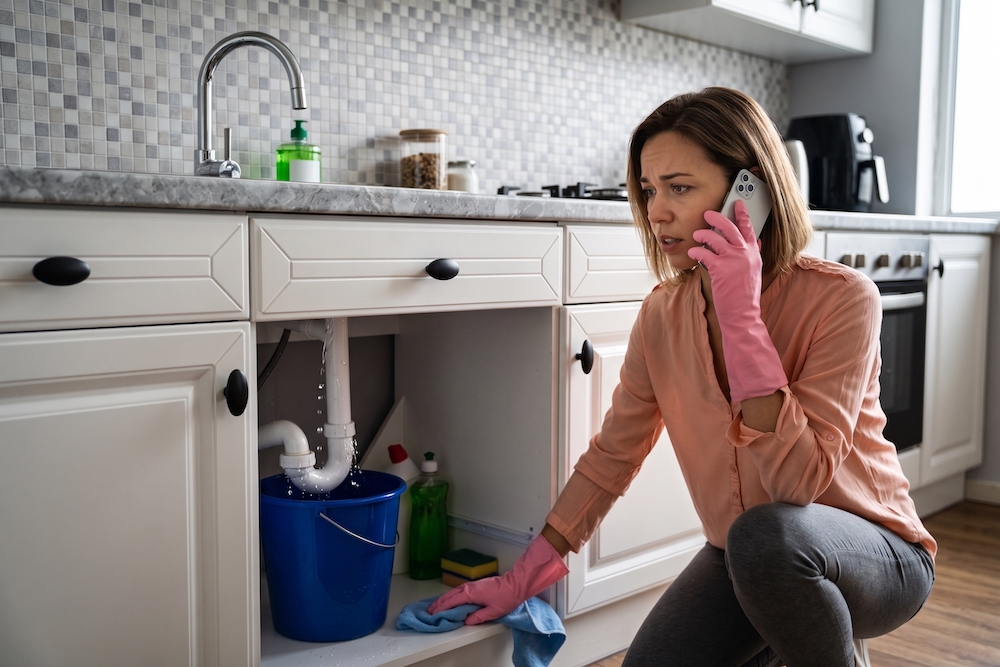
A burst hose, overflowing bath or storm leak can turn an ordinary family day into a scramble. The first priority is not rescuing every possession at once. It is making the area safe, stopping the water when that can be done safely and creating a clear plan.
Public-health guidance commonly emphasises fast drying after water damage. The following first-day framework can help families organise the immediate response, but it cannot determine whether a building is electrically or structurally safe. When in doubt, stay out and call the appropriate professional.
1. Keep children and pets away
Create a boundary before beginning clean-up. Wet floors are slippery, damaged materials may have sharp edges and water can spread contaminants from one area to another. Children and pets should remain in a dry, supervised part of the home or with someone away from the site.
If water may be in contact with electrical outlets, appliances or the switchboard, do not enter the wet area. Contact emergency services or a licensed electrician as appropriate. Do not assume that clear-looking water is clean, particularly if it may involve sewage, floodwater or an unknown source.
2. Stop the source if it is safe
For a plumbing leak, this may mean turning off the local isolation valve or household water supply. A roof leak, rising floodwater or damaged pipe inside a wall may require a plumber, roofer, emergency service or restoration contractor.
Take photos from a safe position before moving items. Record the likely source, affected rooms and visible damage for the insurer. Then contact the insurer early and follow its instructions about emergency work and retained evidence.
3. Dress for the task
Clean-up should not begin in bare feet or everyday clothing. Sturdy footwear, suitable clothing, eye protection and task-appropriate gloves may be needed. The right personal protective equipment depends on the water source, materials and products being used.
For low-risk handling and routine cleaning, correctly sized black nitrile disposable gloves can provide a powder-free, latex-free option. They are disposable and available across several sizes, which is useful for family members or helpers with different hand sizes. They do not make sewage, mould, electrical hazards or chemical exposure safe. Read product labels and safety data sheets, change damaged or contaminated gloves, wash hands after removal, and call a professional for hazardous conditions.
4. Remove standing water and begin drying
If electricity is safe and the water source is suitable for a household response, extract or mop up standing water. Move dry, unaffected items out of the path of moisture. Increase ventilation when outdoor conditions allow, and use appropriate air movement and dehumidification equipment safely.
The US Environmental Protection Agency and Centers for Disease Control and Prevention both advise acting quickly, with a commonly stated aim of drying wet materials within 24–48 hours where possible. That window is a reason for urgency, not a promise that every material can be saved.
Porous items such as plasterboard, insulation, carpet underlay, ceiling tiles and soft furnishings may retain hidden moisture. A dry surface does not prove that the material underneath is dry. Restoration professionals use moisture measurements and a documented drying plan to judge progress.
5. Separate cleanable items from questionable ones
Create three groups: dry and unaffected, wet but potentially cleanable, and heavily contaminated or damaged. Do not put wet items into sealed indoor storage, where trapped moisture can create a new problem.
Hard, non-porous possessions may be easier to clean and dry than absorbent items. Sentimental, electrical or high-value objects may need a specialist. If sewage or outdoor floodwater is involved, do not let children participate in sorting and seek professional advice before keeping affected toys, mattresses or food-contact items.
Never mix cleaning chemicals. In particular, bleach and ammonia can create toxic vapours. Use only products suitable for the surface and contamination, follow the label, ventilate as directed and keep all chemicals out of children’s reach.
6. Know when the job is bigger than a family clean-up
Call qualified help when there is electrical or structural damage, contaminated water, extensive saturation, visible mould, strong persistent odour, affected HVAC equipment, or uncertainty about what is wet. People with asthma, allergies, immune suppression or other health concerns should obtain medical advice before entering mould-affected areas.
The calmest response is a staged one: protect people, stop the source, document the loss, remove water safely and verify that drying is actually progressing. Possessions matter, but family safety comes first.
Public guidance consulted
- US EPA, A Brief Guide to Mold, Moisture and Your Home.
- US CDC, 8 Tips to Clean Up Mold.
- Safe Work Australia, guidance on understanding safety data sheets for hazardous chemicals.


