Mummas On The Move Sarah Campbell
About the Author
By Sarah Campbell, Founder of Mummas On The Move
Sarah Campbell is a qualified exercise and movement specialist with over a decade of experience helping women safely navigate fitness through every stage of life. With formal training in Exercise & Sport Science, Pilates, Pre & Postnatal fitness, and core and pelvic floor rehabilitation, Sarah blends clinical knowledge with real-world understanding. As the founder of Mummas On The Move, she’s passionate about empowering mums to recover, rebuild, and regain confidence in their bodies after birth, especially after Caesarean delivery.
—
Let’s be honest, recovering from a Caesarean section is no walk in the park. Whether it was planned or unexpected, a C-section is a major abdominal surgery. In almost any other scenario, you’d expect rest, sleep, and a supportive bubble to recover. But when a tiny newborn enters the picture? That bubble quickly bursts, and most, if not all, of your emotional and physical energy gets channelled into them. The result? Your own recovery often gets pushed aside.
But your healing matters too. The better you recover, the better you can show up, physically and emotionally, for your baby. Whether this is your first C-section or you’re navigating another postpartum journey, we’ve put together our top tips to support your recovery and ease the guesswork. And remember, there’s no one-size-fits-all timeline. Go gently and be kind to yourself.
#1 Start Diaphragmatic breathing
To do this, gently place your hand on your stomach. Breathe into your hand, allowing the abdomen to expand. As you exhale, imagine your abdomen as a balloon deflating.
Why it matters: Deep abdominal breathing can help calm your nervous system, gently engage your core, and even support digestion and lymphatic drainage in those early, tender days. Try it while feeding your baby or lying in bed.
#2 Do your Pelvic Floor exercises
Yes, you still need to do them even if you’ve had a Caesarean! Pregnancy itself still places significant strain on the pelvic floor muscles. Strengthening these muscles can help prevent issues such as incontinence and pelvic organ prolapse, improve core stability, and enhance overall recovery. You can usually begin your pelvic floor exercises once your catheter is removed.
Bonus tip: If you’re unsure whether you’re doing them correctly, consider using a free app like the Continence Foundation of Australia’s ‘Pelvic Floor First’, or book in with a Women’s Health Physiotherapist. These muscles are vital for long-term strength.
#3 Support your wound
-
When coughing or laughing, support your wound by applying gentle pressure with your hands. This helps reduce discomfort and protects the incision.
-
Use Abdominal Support: Consider wearing compressive shorts, Tubigrip, or shape-wear underwear to provide extra support to your abdomen. Using Compression Recovery Shorts are designed specifically for postpartum mums and are widely recommended by Australian physios.
-
Increase fibre and water intake: This can help prevent constipation. Use a stool to put your feet up on when sitting on the toilet—this position puts the pelvis into the optimal position and can make bowel movements easier.
-
Aim for 20-minute blocks of lying horizontally, ideally at least three times per day for the first six weeks. This helps reduce swelling and promotes healing. Try this while your baby is doing their tummy time or when a loved one is holding them.
Gentle encouragement: It’s not selfish to rest—it’s essential. Your body has done something extraordinary and needs time and support to repair.
#4 Start integrating gentle movement
Pending clearance from your doctor:
-
Build in gentle walks with frequent rest breaks
-
Add simple mobility exercises such as shoulder rolls, cat and cow stretches, and gentle book openings
We also recommend booking in with a Women’s Health Physiotherapist for a thorough postpartum assessment—you can do this prior to your six-week check.
Movement can also help lift your mood, improve circulation, and ease the mental fog that often accompanies the early weeks.
#5 Minimise undue strain on your body
-
Roll to one side to get out of bed
-
Avoid lifting anything heavier than your baby for the first six weeks
-
Minimise frequent bending, twisting, lifting and holding
-
Get your support partner to help with your baby’s bath time, feeding and settling
Tip: Accept help—whether it’s from a partner, parent, friend, or even a postpartum doula. You don’t need to do it all. A supported mum is a stronger mum.
#6 Add in C-Section massage
Gentle massage techniques applied to the scar tissue and surrounding areas can help improve circulation, reduce scar adhesions, and alleviate discomfort. Ensure you wait until your incision has fully healed before attempting this.
We recommend first massaging around the perimeter of the scar, and gradually working up to doing circular and zig-zag motions over the scar.
If you’re unsure or nervous, book in with a physio who can show you exactly how to do it. Even five minutes a day can make a big difference in long-term comfort and mobility.
#7 Attending your six-week check-up
Your six-week check is a great touch point; however, it doesn’t mean you can get back into your pre-baby exercise straight away.
Once you receive clearance, we recommend starting with gentle postpartum core and pelvic floor exercises, modified Pilates, low-impact exercises, and functional movements that mimic your everyday tasks.
Important: Consider scheduling a Women’s Health Physio check in addition to your GP visit; many mums aren’t aware these are two different types of assessments, and both are incredibly helpful.
#8 Avoid…
Heavy lifting and high-impact activities until you recover and are cleared to do so.
Examples include jumping, running, vacuuming, or lifting heavy laundry baskets. Stick to low-impact activities that feel supportive, not strenuous.
A gentle reminder: This is a season. Your strength will return with time. Go slow now, so you can thrive later.
In our 12-week postpartum exercise program, we take a holistic approach to Caesarean recovery, focusing on restoring strength and function. It is available for purchase now and includes an equipment pack to get you started. Use code KIDDIPEDIA15 at checkout for 15% OFF and enjoy a safe return to exercise Postpartum today!
Final Words for Mums
Recovery doesn’t mean bouncing back—it means allowing yourself the space to move forward gently and steadily. You’ve done something remarkable. Now, it’s your turn to heal, your way, in your time.
If you found these tips helpful, consider passing them on to another mum. One kind word or shared story can mean the world when you’re in the thick of it.
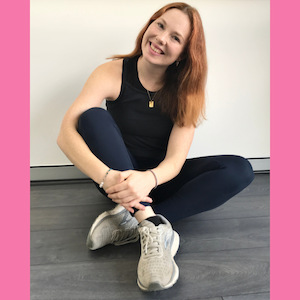 By Sarah Campbell, Founder of Mummas On The Move
Credentials:
PGrad Cert of Exercise Rehabilitation for Sports Injuries at ACU
Ba. Exercise and Sport Science at Sydney University
Cert III and Cert IV in Exercise (qualified group fitness instructor and personal trainer)
Certificate in Pre and Post natal fitness
ISVP Broadway Dance Centre Graduate
Certificate in Pre and Post Natal core and pelvic floor
Core Yoga instructor
Senior adults trainer
Corporate health professional
Certified Pilates instructor
Pilates apparatus and mat work technique instructor and Senior first aid and CPR and WWCC