
Kiddipedia
Early childhood education has changed significantly over the last few years. Many parents are no longer relying on one traditional learning path for their preschool-aged children. Instead, families are exploring creative alternatives that support flexibility, curiosity, and personalised learning experiences.
Parents today want more involvement in their children’s development. They also want learning methods that match their family values, schedules, and educational goals. As a result, creative early learning alternatives are becoming more popular in homes around the world.
From play-based activities to homeschool programs and hands-on learning experiences, families now have more options than ever before.
The Growing Shift Toward Flexible Learning
Traditional preschool settings still work well for many children. However, some families are looking for alternatives that allow greater flexibility and personal attention.
Parents often want learning environments that adapt to their child’s pace instead of expecting every child to learn the same way. Preschoolers develop different skills at different times. Some children learn best through movement and creative play, while others respond better to structured routines.
Flexible learning alternatives allow parents to build educational experiences around their child’s unique personality and strengths. This approach can reduce pressure and help young children enjoy learning naturally.
Many parents also appreciate the ability to adjust schedules. Families with remote work arrangements, travel plans, or unique routines often find flexible learning models easier to manage.
Play-Based Learning Encourages Creativity
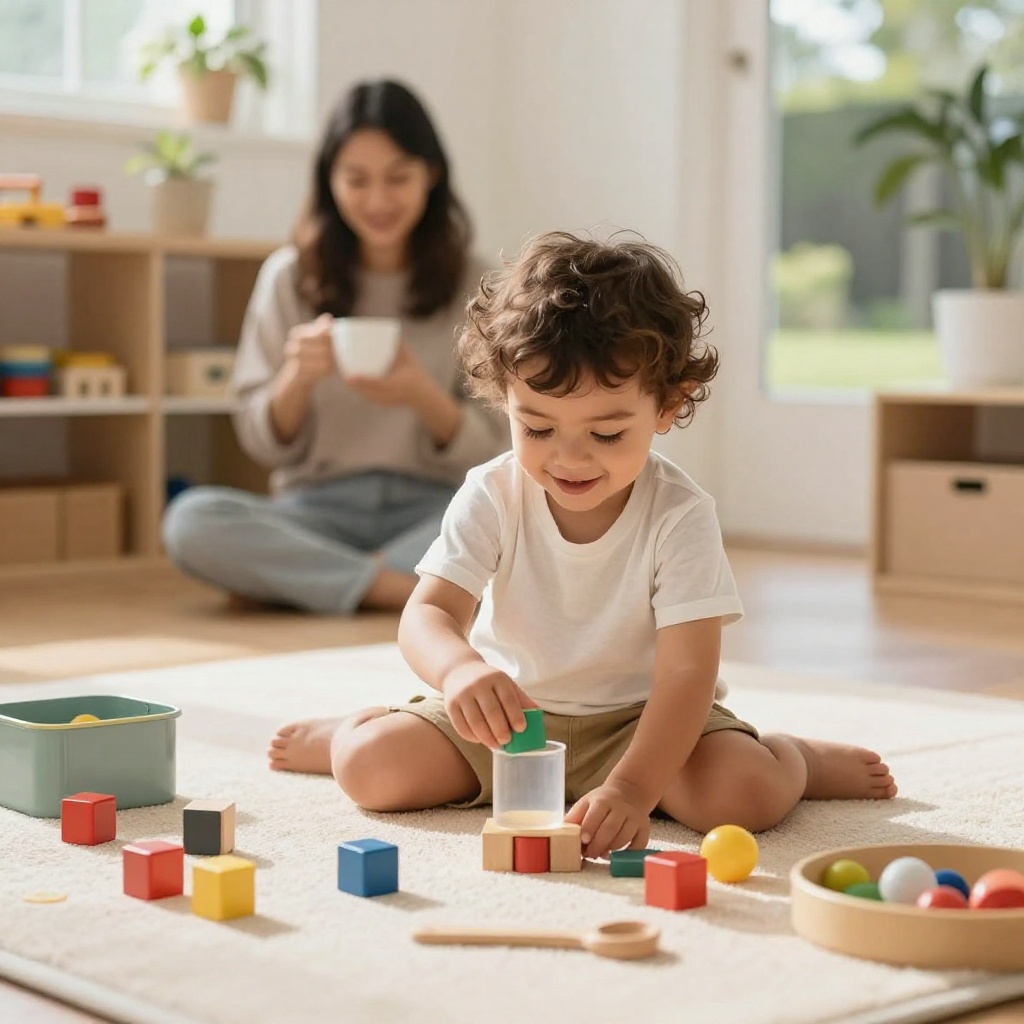
One reason creative learning alternatives are becoming popular is the growing focus on play-based education. Research continues to show that young children learn effectively through play, imagination, and exploration.
Creative activities help preschoolers build problem-solving skills, emotional awareness, and communication abilities. Activities like storytelling, drawing, pretend play, music, and sensory games encourage children to think independently.
Unlike highly structured academic programs, play-based learning allows children to remain curious and engaged. Preschoolers naturally enjoy discovering new ideas when learning feels exciting instead of stressful.
Families are also finding ways to combine creativity with educational goals at home. Parents can introduce counting games during cooking activities, teach reading skills through storytelling, or explore science concepts during outdoor walks.
This balance between learning and creativity helps children build confidence early in life.
Parents Want More Involvement In Early Education
Many families now prefer to take a more active role in their child’s education during the preschool years. Parents often feel that early learning should involve stronger family participation rather than relying entirely on outside programs.
Creative learning alternatives make this possible. Parents can directly observe how their children learn and identify the methods that work best for them.
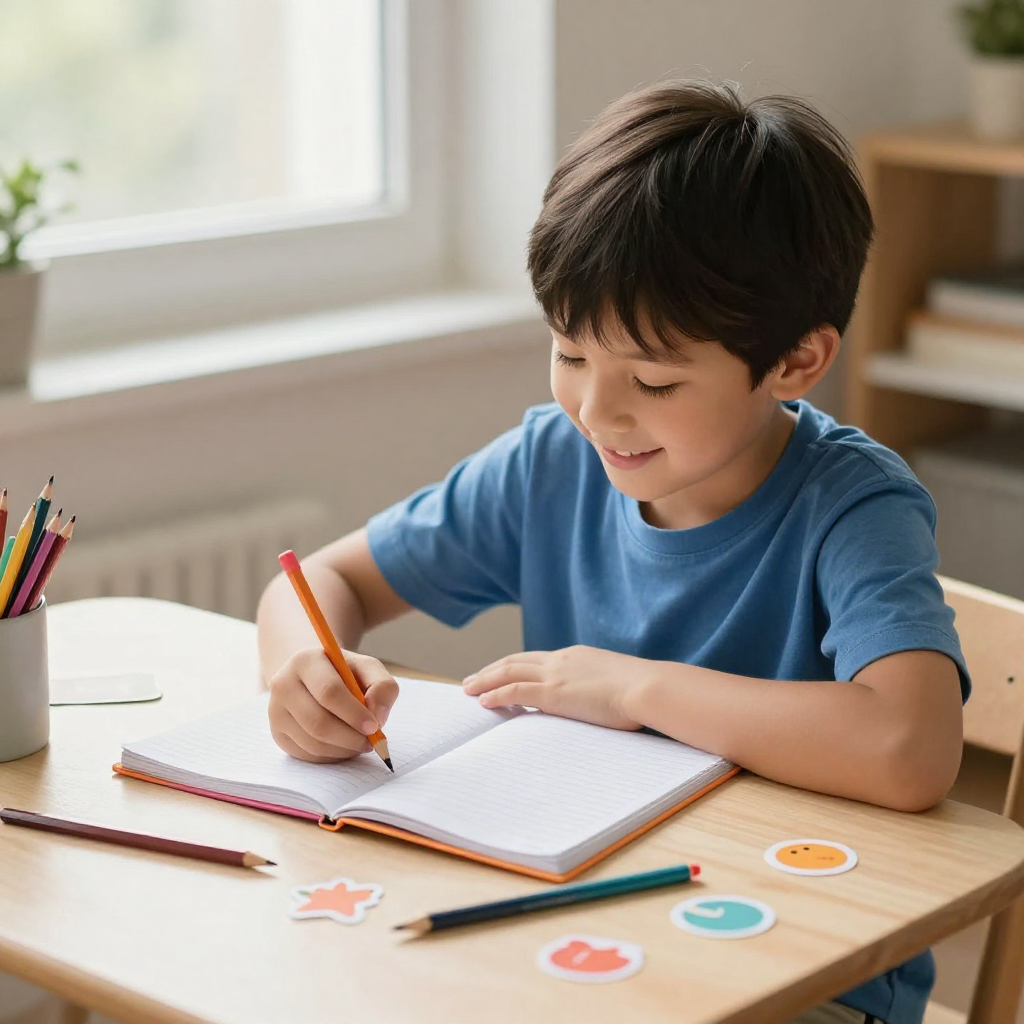
Some families choose home-based learning because it strengthens family relationships. Daily educational activities create opportunities for parents and children to spend meaningful time together while developing important skills.
For example, parents can tailor lessons around their child’s interests. A preschooler who loves animals may become more engaged through books, crafts, and outdoor activities focused on nature and wildlife.
This personalised approach often keeps children motivated and excited about learning.
Technology Has Expanded Learning Opportunities
Technology has also made creative early learning alternatives more accessible. Parents now have access to educational apps, virtual classes, printable resources, and online communities that support home-based learning.
Families can explore interactive reading tools, music programs, language learning games, and educational videos from home. These resources provide additional support while helping children develop digital literacy skills at an early age.
However, many parents are careful to balance screen time with hands-on experiences. The goal is often to use technology as a supportive tool instead of replacing real-world exploration.
Creative learning models typically encourage children to engage in physical activities, imaginative play, and outdoor experiences alongside digital resources.
This balanced approach helps preschoolers develop socially, emotionally, and intellectually.
Homeschooling Is Becoming More Popular For Younger Children
Homeschooling is no longer limited to older students. Many families are now introducing homeschool methods during the preschool years.
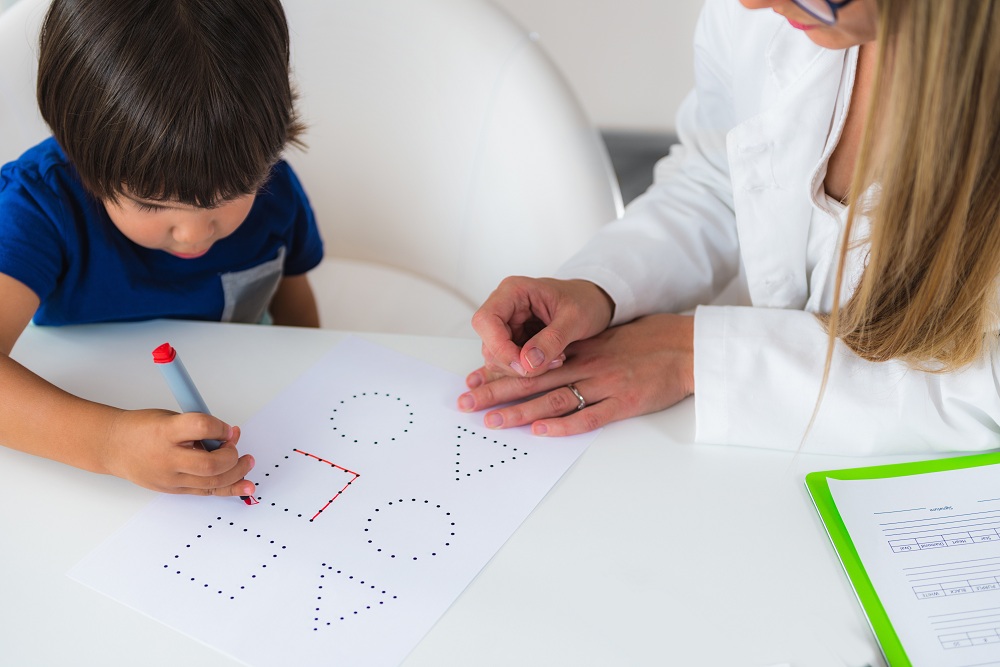
Early homeschooling allows parents to create calm and personalised learning environments before formal schooling begins. Families can focus on foundational skills such as communication, creativity, emotional regulation, and curiosity.
Some parents also appreciate the opportunity to avoid academic pressure too early in childhood. Instead of focusing heavily on tests or strict performance standards, they can emphasise exploration and confidence-building.
Resources like a structured preschool homeschool curriculum can help parents organise learning activities while still maintaining flexibility. These programs often provide age-appropriate lessons that blend creativity, storytelling, and practical skills.
For many families, homeschooling during the preschool years creates a comfortable transition into future learning experiences.
Outdoor Learning Is Gaining Attention
Outdoor education has become another important part of creative early learning. Parents increasingly recognise the developmental benefits of spending time outside.
Nature-based learning encourages physical activity, sensory exploration, and problem-solving. Preschoolers can learn valuable lessons through gardening, nature walks, water play, and outdoor games.
Outdoor experiences also help children develop independence and confidence. Climbing, balancing, observing insects, or collecting leaves can become educational opportunities that support cognitive and motor skill development.
In many cases, outdoor learning also reduces stress and improves focus. Young children often respond positively to fresh air, movement, and open spaces.
Families exploring creative learning alternatives frequently combine outdoor activities with reading, science, and artistic projects.
Socialisation Can Happen In Many Ways
One common concern about alternative learning methods is socialisation. However, many families are discovering that preschoolers can build social skills through a variety of experiences outside traditional classrooms.
Community activities, playgroups, sports, library programs, art classes, and homeschool groups all provide opportunities for interaction.
In some cases, smaller social settings can even feel more comfortable for young children who become overwhelmed in large classroom environments.
Creative learning alternatives often encourage children to interact with people of different ages and backgrounds. This can help preschoolers develop communication skills and emotional awareness in natural settings.
Parents can also guide social experiences more closely and help children navigate challenges as they arise.
Families Are Prioritising Emotional Development
Today’s parents are placing greater emphasis on emotional well-being during early childhood education. Families increasingly want learning environments that support emotional growth alongside academic development.
Creative learning alternatives often allow children to express feelings, build resilience, and develop self-confidence through supportive routines and open communication.
Activities like storytelling, role-playing, music, and collaborative games can help children understand emotions and improve interpersonal skills.
Many parents believe that emotional intelligence is just as important as academic readiness during the preschool years.
As a result, educational approaches that encourage empathy, creativity, and self-expression continue to gain popularity.
Creative Learning Supports Lifelong Curiosity
One of the biggest benefits of creative early learning alternatives is their ability to nurture curiosity. Preschoolers naturally ask questions, experiment, and explore the world around them.
When learning feels enjoyable and meaningful, children often develop a positive attitude toward education that lasts for years.
Creative educational experiences encourage children to think independently and become active participants in their own learning journeys.
Families are increasingly recognising that early childhood education does not need to follow a single path. Different children thrive in different environments, and parents now have more opportunities to choose learning methods that align with their goals.
Conclusion
Creative early learning alternatives are becoming more popular because they offer flexibility, personalisation, and meaningful educational experiences for young children. Families are exploring play-based learning, homeschooling, outdoor education, and hands-on activities that support both academic and emotional growth.
Parents today want learning experiences that inspire curiosity while allowing children to develop at their own pace. These alternative approaches provide opportunities for stronger family involvement, creative exploration, and balanced development.
As education continues to evolve, more families are discovering that early learning can happen in many different ways — and that creativity often plays an important role in helping preschoolers thrive.