
Youthrive Integrated Therapy Services
By Katherine Coates, Youthrive Occupational Therapist.
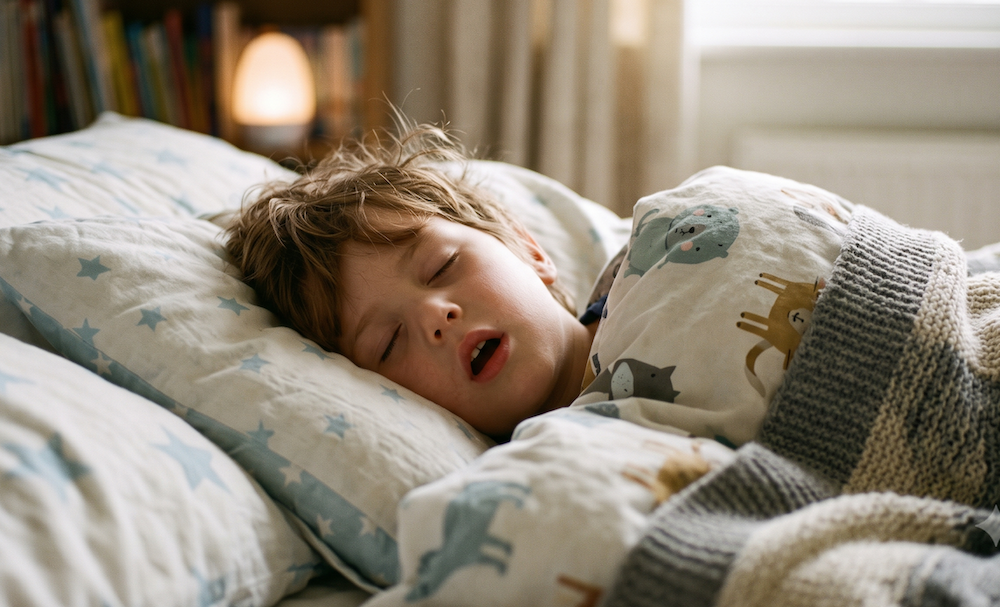
Sleep is an essential part of everyday life, yet for many children, getting to and staying asleep can be a real challenge. The good news? There are evidence-based strategies you can use to improve your child’s night-time routine and support healthy sleep.
Why is Sleep Important?
Sleep isn’t just “rest” — it’s a critical driver of growth, learning, and emotional wellbeing. During sleep, children’s bodies release growth hormones, strengthen their immune systems, and consolidate memories for future use. Sleep also helps children manage stress, regulate emotions, and maintain focus, which are all key for thriving at school and in daily life.
Research shows that children who consistently miss sleep are more likely to struggle with:
-
Difficulty concentrating and attending in school
-
Challenges regulating emotions
-
Increased risk of challenging behaviours
-
Elevated stress levels
-
Low mood or irritability
Sleep is as important as nutrition, hydration, and physical activity. Prioritising it isn’t a luxury — it’s essential for your child’s development.
Sleep Stages Explained
Children, like adults, cycle through different types of sleep. Understanding these cycles can help explain why your child might wake at night:
-
Rapid Eye Movement (REM) Sleep – This is dream sleep, usually occurring in the second half of the night. Children are more easily woken during REM.
-
Non-REM Sleep – This includes both deep and light sleep, typically in the first few hours after falling asleep.
Sleep cycles lengthen as children grow:
-
Babies: ~20 minutes per cycle
-
Toddlers: up to 60 minutes per cycle
Some children naturally awaken between cycles, which can make it challenging to fall back asleep. Research indicates that children’s ability to self-soothe between cycles develops with age and supportive sleep routines.
How Many Hours of Sleep Do Children Need?
Sleep needs vary by age, individual health, and environment. The following is based on guidelines from the Australian Sleep Health Foundation and Raising Children Network:
0–3 months
-
Sleep: ~14–17 hours per day
-
Pattern: Irregular; awake frequently day and night
3–6 months
-
Sleep: ~12–15 hours per day
-
Pattern: Gradually developing clearer day/night distinctions
6–12 months
-
Sleep: ~12–15 hours per day (mostly at night)
-
Naps: 1–2 daytime naps
-
Note: Babies may still awaken once per night and need parental settling
Toddlers (1–3 years)
-
Sleep: ~11–14 hours
-
Naps: 1 daytime nap of 1–2 hours
-
Challenges: Night waking and sleep associations (e.g., needing a dummy)
Pre-schoolers (3–5 years)
-
Sleep: ~10–13 hours
-
Naps: Optional; many drop naps closer to school age
School-age children (5–13 years)
-
Sleep: ~9–11 hours
-
Challenges: Nighttime fears (dark, monsters, being alone), difficulty falling or staying asleep
Adolescents (13–18 years)
-
Sleep: ~8–10 hours
-
Challenges: Hormonal changes, delayed circadian rhythm, late-night screen use, caffeine, and social activities
Understanding Night-time Wakening
Night wakening can happen for several reasons:
-
Temperature extremes (too hot/cold)
-
Sleep associations (comfort items, dummy, TV)
-
Transition difficulties between sleep cycles
-
Developmental stage and age-related changes
Tip: Observing patterns and considering developmental factors can help you tailor sleep routines to your child’s needs.
Positive Sleep Practices for Children
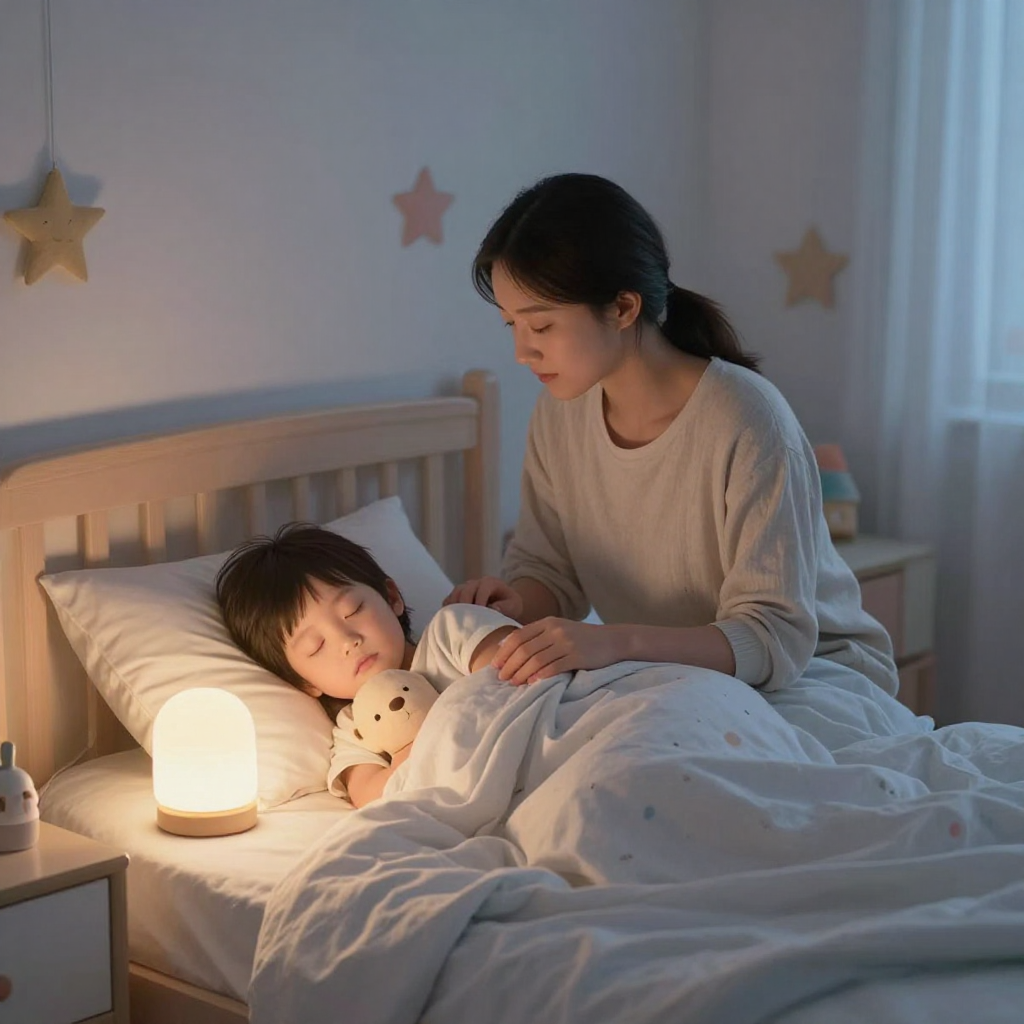
Evidence shows that consistent, age-appropriate routines are the most effective way to support sleep. Here’s what works:
1. Establish a Bedtime Routine
-
Helps your child understand what to expect
-
Promotes calm and winding down
-
Examples:
-
Young children: bath → brush teeth → read → quiet play
-
Older kids: shower → read → organise belongings → parent chat
-
2. Set Regular Bed & Wake Times
-
Helps regulate the body’s sleep/wake cycles
-
Aim for consistency, even on weekends
3. Keep the Pre-Bed Hour Calm
-
Focus on relaxing activities, avoiding overstimulation
-
Prioritise the 20 minutes before sleep for the bedtime routine
4. Limit Screen Time Before Bed
-
Screens suppress melatonin production and delay sleep onset
-
Recommendation: No technology 30 minutes before bed
5. Mind Food & Drink
-
Avoid caffeine and heavy meals right before bed
-
Snacks are okay if needed
6. Consider the Environment
-
Temperature: Not too hot or cold
-
Lighting: Use blackout curtains or night lights as appropriate
-
Morning light: Helps distinguish day/night, especially for teens
7. Encourage Daily Activity
-
Exercise and outdoor play positively impact sleep
-
Ensure children are active during the day, not just before bed
8. Use the Bed for Sleep Only
-
Avoid activities that make the brain associate bed with alertness
-
For teens who spend time in their rooms: use a desk or bean bag for non-sleep activities
9. Recognise Drowsy Signs
-
Put your child to bed when awake but drowsy
-
Observe cues like rubbing eyes, yawning, or irritability
10. Communication & Visual Aids
-
Use age-appropriate language to cue bedtime
-
Visual schedules or checklists can help children self-regulate and feel safe
What to Do If They Can’t Sleep
-
Have your child get out of bed and do a quiet activity briefly, then try the routine again
-
Comfort objects (soft toys, blankets) can help younger children feel safe
-
Evaluate sleep associations (TV, dummy) to see if they support or disrupt sleep
-
Relaxation exercises (breathing, mindfulness) can promote calm
-
Acknowledge worries or anxieties, discuss them during the day, or liaise with a GP
Medication: Sometimes prescribed by a GP, but only under strict medical supervision
When to Seek Help
-
Ongoing sleep difficulties warrant consultation with a GP, paediatrician, or child health nurse
-
Occupational therapists can provide tailored advice for:
-
Sensory needs
-
Environmental modifications
-
Sleep associations and routines
-
-
Sleep diaries are highly effective for monitoring patterns, identifying triggers, and tracking progress
Key Takeaway
Sleep is critical for your child’s growth, emotional regulation, and overall wellbeing. By understanding sleep cycles, tailoring routines to your child’s age, and implementing evidence-based practices, you can create calmer nights and happier, more resilient kids.
If your child struggles with sleep, don’t hesitate to seek individualised support from a qualified occupational therapist — it can make all the difference.
Other helpful resources
Raising Children Network- http://raisingchildren.net.au/
Sleep Health Foundation- www.sleephealthfoundation.org.au/
Sleepability- Sleep Tips for Children.pdf (sleepability.com.au)
Royal Children’s Hospital- Kids Health Information : Bedtime problems – children (rch.org.au)
-
Mindell JA et al., Sleep in Children and Adolescents: Recommendations and Evidence-Based Strategies (Journal of Clinical Sleep Medicine, 2015)
-
Owens JA, Insufficient Sleep in Children and Adolescents: Causes and Consequences (Pediatrics, 2014)