

“How many times do I have to ask you?!” 😩
Shoes on. Teeth brushed. Time to leave. And somehow you’ve asked 17 times… with absolutely no response.
But what if your child isn’t deliberately ignoring you?
Sometimes children are so absorbed in play, emotions or what’s happening around them that they need us to communicate differently before they can truly hear and process what we’re saying. ❤️
From connection and touch to lowering your voice, using gestures and noticing the emotions underneath their behaviour, there are simple ways to help your child tune in — without turning every request into a battle.
Because sometimes, they don’t need us to say it louder. They need us to connect differently

What if your child isn’t “too much”… but simply misunderstood?
“Why can’t they just focus?”
If you’ve ever asked this, quietly or in frustration, you’re not alone.
ADHD can look like distraction, restlessness, big emotions, or constant movement — but underneath it is something far more complex and far more powerful: a brain that feels deeply, thinks quickly, and locks into interest with incredible intensity.
For many parents, an ADHD diagnosis brings relief and understanding. For others, it can bring guilt, confusion, or worry. But one truth remains steady: your child is not broken — they are wired differently.
In this honest and deeply personal reflection, Elly Both shares her lived experience of ADHD and how shifting the way we see it can change everything. Instead of trying to fit kids into a box, we can start recognising what’s already there — creativity, curiosity, hyperfocus, and unique strengths waiting to be supported.
ADHD is not a lack of attention. It’s an interest-based nervous system. And when we learn to work with it instead of against it, something powerful happens — shame softens, confidence grows, and strengths begin to shine.
This is not about ignoring the challenges. It’s about holding them alongside understanding, honesty, and compassion — so children feel seen, supported, and capable of becoming who they already are.
Because when we stop trying to shrink our kids… we finally start seeing their superpowers.
👉 Read the full article by Elly Both

Starting therapy can feel like a big step… but the conversation you have with your child can make all the difference. 💛🌱
Many parents worry about saying the wrong thing.
Will my child think something is wrong with them? Will they feel scared? Will they refuse to go? 🤔
And sometimes the question children quietly carry is:
“Are we going to therapy because something is wrong with me?” 💭
The truth is, therapy isn’t about fixing a child — it’s about helping them understand their feelings, build confidence and learn skills that support them for life. 💛✨
With the right words, parents can help children see therapy as a positive step — a safe place to learn, grow and better understand themselves. 🌈
From what to say, what to avoid, and how to answer those tricky questions, this guide helps parents navigate one of the most important conversations they may have. 💬❤️
Discover how to introduce therapy in a way that feels safe, positive and reassuring — because sometimes the most powerful thing a child can hear is:
“You’re not in trouble. Nothing is wrong with you. We’re doing this together.” 🤗❤️
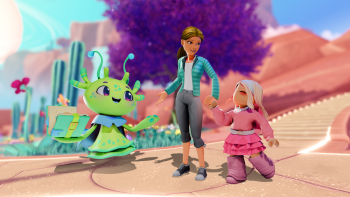
Is your child obsessed with Roblox, but you’re not quite sure what they’re doing online? 🎮👨👩👧
What if the best way to help keep them safe wasn’t by watching from the sidelines—but by playing alongside them?
Roblox’s new Family Zone lets your child become the teacher while you explore the platform together, helping parents better understand what their kids love, discover the built-in safety features, and start important conversations about online safety in a way that feels fun and natural.
More than just a game, it’s an opportunity to strengthen your connection, build digital confidence, and create healthier online habits—one shared gaming session at a time.
Discover why millions of families are already exploring Family Zone and why co-playing could be one of the simplest ways to make your child’s online experience safer and more enjoyable.

🎸 What if learning guitar could do so much more than teach your child to play music?
Every chord, every practice session, and every small breakthrough is helping to strengthen the developing brain. From improving focus and memory to building resilience, coordination and problem-solving skills, guitar lessons offer benefits that reach far beyond music.
If you’ve ever wondered whether music lessons are really worth the investment, the science might surprise you. Discover what’s actually happening inside your child’s brain every time they pick up a guitar—and why it could be one of the best gifts you give their future.
✨ Read the full article and see why guitar may be one of the smartest hobbies a child can have.

🎮 As parents, it’s easy to see online gaming as something we need to limit. But what if it could actually help your neurodivergent child feel more connected, more confident and less alone?
For many neurodivergent children, gaming is far more than screen time. It’s where they build friendships, practise communication, develop social skills and discover a community where they feel accepted for exactly who they are.
Like any online space, there are challenges. But with the right support from parents, gaming can become a powerful tool for growth, independence and wellbeing.
In this insightful article, discover five simple, practical ways to help your child enjoy the benefits of online gaming while building the confidence and digital safety skills they’ll carry with them for life.
❤️ If you’re raising a neurodivergent child who loves gaming, this is one article you’ll want to read.

Most parents don’t realise this… but your child’s relationship with food doesn’t actually start at the dinner table.
It starts long before the first bite. Long before the first refusal. Even before they can talk about what they like or don’t like.
From the womb through the first 1000 days, your child is already learning about taste, safety, and food comfort — shaped quietly by exposure, repetition, and what they see at home every day.
So if you’ve ever felt stuck in the “picky eating” phase, or wondered why your child refuses foods they used to eat… there’s actually a lot more going on beneath the surface.
This isn’t about pressure or perfection. It’s about understanding what’s really driving your child’s eating — and how small, calm shifts can make a big difference over time.
Worth a read if mealtimes have ever felt harder than they should be.
👉 Read the full article on Kiddipedia

💔 “Why won’t they just listen?”
It’s a question many exhausted parents ask themselves after another meltdown, power struggle, or challenging behaviour.
In those difficult moments, punishment can feel like the only option. But what if it’s actually making things harder—not better?
Many behaviour experts now recognise that punishment may stop a behaviour temporarily, but it rarely teaches children what to do instead. It can increase resistance, damage trust, and leave both parents and children feeling frustrated, disconnected, and stuck in the same cycle.
❤️ What if there was a better way?
This eye-opening article explores why behaviour is often a form of communication and shares practical, proactive strategies that help keep everyone safe while teaching children the skills they need to regulate emotions, manage challenges, and thrive.
✨ Less yelling and power struggles.
✨ Stronger parent-child connections.
✨ More confidence handling difficult behaviours.
✨ Better long-term outcomes for your child.
Whether you’re raising a child with ADHD, emotional regulation challenges, or simply navigating the ups and downs of parenting, this article offers compassionate, evidence-based strategies that can transform the way you respond to challenging moments.
Because every behaviour has a reason.
Because every child deserves to feel understood.
And because every parent deserves tools that actually work.
📖 Read more and discover a calmer, more connected approach to behaviour support.

Some mornings feel less like a routine… and more like a scramble.
Missing shoes. Lost permission slips. Someone in tears before 8am. And that quiet feeling that you’re already behind before the day has even begun.
If that sounds familiar, you’re not doing anything wrong — you’re just carrying too much, with too little structure holding it all together.
The good news? It doesn’t take a complete life overhaul to change how your home feels.
Small, practical systems can shift the entire rhythm of a household — creating calmer mornings, easier evenings, and a home that feels more manageable (and a lot less reactive).
This is real-life, evidence-based parenting support — designed for busy families who don’t need perfection… just things that work.
Because when the systems are lighter… so are you.
👉 Read the full article for simple, research-backed ways to bring more calm, clarity, and control back into your family life.

What if some of the germs we’re so busy protecting our kids from are actually helping them thrive? 🦠💛
Dirt under their fingernails. A cuddle with the family dog. Playing outside. Eating fibre-rich foods. 🐾🌱
While we often think of bacteria as something to avoid, the truth is that trillions of beneficial microbes are working behind the scenes every day to support your child’s health.
From strengthening immunity and supporting digestion to influencing mood and overall wellbeing, the microbiome is transforming what we know about children’s health.
Inside every child is a hidden world of good bacteria helping to shape how they grow, develop and flourish.
Could nurturing these tiny microbes be one of the most important things we can do for our children’s long-term health?
Discover the fascinating science behind the microbiome, why good bacteria matter, and the simple everyday habits that can help support your child’s health for years to come.
👉 Read more.
Get parenting advice and support delivered right to your inbox
We'd love to hear what you think of the website, so we can continue to improve it . . . GIVE YOUR FEEDBACK >