

As parents, we all want to give our children a secure future. ❤️
We want them to be safe, happy, provided for and given every opportunity — and when we’re no longer here to help them, we want to know we’ve done what we could to leave them with a strong foundation for life.
But building that future isn’t always easy.
With the cost of living putting pressure on Australian families, every dollar counts. And deciding how best to build, protect and eventually pass on the wealth we work so hard to create can feel like a big responsibility.
Should we save more? Pay down the mortgage? Invest in shares, property or super? Or could physical gold have a place in a long-term family financial plan?
For some families, it may be worth considering. For others, it may not be the right fit.
Our latest article looks at why some families consider physical gold, what to look for, the potential benefits and risks, costs, storage, insurance, tax, scams and what happens when an investment is eventually passed on to the next generation.
Because when we’re investing with our children’s future in mind, it’s not simply about building wealth. It’s about creating more choices, more security and a stronger foundation for the people we love. 💛
Could gold have a place in your family’s financial future?
Read the full article and explore the possibilities without the hype.

When we sit down to watch the footy with our kids, we want them to see the game — not a constant stream of messages telling them that betting is part of it. 🏉❤️
And during our current National Child Protection Week, running runs 6–12 September 2026, it’s a timely question for parents to ask: what are our children seeing, hearing and learning from the world around them?
For many Australian families, gambling has become increasingly woven into the sporting experience — from betting odds and promotions to gambling brands appearing alongside the teams and players children know and love.
But that’s about to change.
From 2027, new gambling advertising reforms will change what families see around live sport. While gambling messages won’t disappear completely, the changes are designed to reduce children’s exposure to wagering advertising during sport.
This year’s National Child Protection Week theme, “Every Conversation Matters: Shifting Conversation to Action,” is a powerful reminder that protecting children isn’t only about what we do when something goes wrong. It’s also about the everyday environments we create around them — and the messages they absorb along the way.
So, what will your family actually notice when Footy 2027 arrives? What gambling messages might kids still see? And how can parents help children recognise the sales pitch behind them?
We break down what Australian parents need to know.
#NationalChildProtectionWeek #EveryConversationMatters #GamblingAds #Footy2027 #AustralianParents #Parenting #ChildSafety #KidsAndSport #FamilyFooty #GamblingAwareness #MediaLiteracy #DigitalLiteracy #AustralianFamilies #FamilySafety #ParentingAdvice

What if the best Father’s Day gift isn’t something you can wrap? ❤️
We know Dad as Dad… but how well do we really know the person behind the title?
The little boy he once was.
The dreams he had.
The mistakes he made.
The stories we’ve never thought to ask about.
This Father’s Day, instead of simply buying another gift, why not give Dad something far more meaningful — your time, your attention and your curiosity?
Ask him a question you’ve never asked before. Listen to a story you’ve heard a hundred times. Put your phone away. Tell him what you appreciate.
And if you’ve drifted apart, perhaps take one small step towards reconnecting.
Because one day, the presents will be forgotten. The moments you shared won’t be. ❤️
Discover 7 simple ways to make this Father’s Day about more than presents.
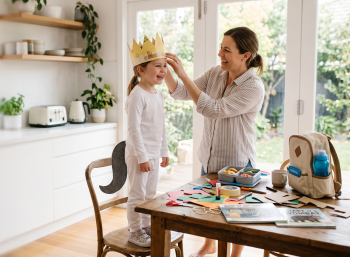
😱 Just found another school note announcing Book Week or the 100th Day of School… and it’s tomorrow?
Take a deep breath! 💛 You don’t need expensive costumes or a late-night craft marathon.
From a clever 100-year-old makeover to Matilda, Paddington, Max, The Very Hungry Caterpillar and more, these 10 easy costume ideas can be created using things you probably already have at home.
Less stress. Less spending. More smiles. ✨
Read the article now and make this year’s dress-up day one to remember, for all the right reasons.

💬 “Your focus is on what other people think about you, and not what you think about yourself.”
That’s what my teenage neighbour told me when we talked about social media’s effect on her generation — and it stopped me in my tracks.
Today’s teens are growing up in a world where 💔 comparison overshadows confidence, where FOMO never sleeps, and where the fear of judgment follows them everywhere.
But here’s the good news 👉 as parents, we can help them break free. It starts with awareness, connection, and showing them that their worth isn’t measured in likes. 💛
✨ Read more: Anti-Social Media: How To Help Teens Break Free from Comparison Culture

Another week. Another packed calendar. Another “quick” dash from school to sport, then home for dinner, homework and bedtime. 😮💨
If your family is constantly rushing from one thing to the next, you’re definitely not the only one.
The tricky part is that most of us aren’t trying to over-schedule our kids. We’re just saying yes to the things they enjoy, the things they need, the things their friends are doing… and suddenly there’s barely a free night left.
So how do you know what to keep, what to let go and when your child simply needs some time to do absolutely nothing?
Our latest article shares realistic ways to take the pressure off the family calendar, protect downtime and make room for more connection and joy — without giving up everything your kids love.
Because sometimes, the best thing you can put in the calendar is nothing at all. ❤️

“I’ll quit when things settle down.”
Except… when do things actually settle down when you’ve got a baby?
You’re exhausted. You’ve barely slept. You’re feeding, changing, cleaning, carrying, soothing — and somewhere in between it all, that cigarette or vape can feel like five minutes that are just yours.
So being told to “just quit” isn’t always that simple.
If you’re a new parent who wants to quit nicotine, it doesn’t have to start with a huge, all-or-nothing promise. Sometimes it starts much smaller — noticing when you reach for it, changing one routine, finding another way to get through the stressful moments, or simply putting a little more time between you and the next craving.
No guilt. No perfection. No pretending parenting is easy.
Just 10 small, realistic steps that can help make quitting feel a little more achievable when you’re already running on empty.
Because looking after yourself matters too. ❤️
Read the full article.

Starting therapy can feel like a big step… but the conversation you have with your child can make all the difference. 💛🌱
Many parents worry about saying the wrong thing.
Will my child think something is wrong with them? Will they feel scared? Will they refuse to go? 🤔
And sometimes the question children quietly carry is:
“Are we going to therapy because something is wrong with me?” 💭
The truth is, therapy isn’t about fixing a child — it’s about helping them understand their feelings, build confidence and learn skills that support them for life. 💛✨
With the right words, parents can help children see therapy as a positive step — a safe place to learn, grow and better understand themselves. 🌈
From what to say, what to avoid, and how to answer those tricky questions, this guide helps parents navigate one of the most important conversations they may have. 💬❤️
Discover how to introduce therapy in a way that feels safe, positive and reassuring — because sometimes the most powerful thing a child can hear is:
“You’re not in trouble. Nothing is wrong with you. We’re doing this together.” 🤗❤️
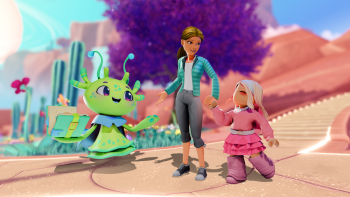
Is your child obsessed with Roblox, but you’re not quite sure what they’re doing online? 🎮👨👩👧
What if the best way to help keep them safe wasn’t by watching from the sidelines—but by playing alongside them?
Roblox’s new Family Zone lets your child become the teacher while you explore the platform together, helping parents better understand what their kids love, discover the built-in safety features, and start important conversations about online safety in a way that feels fun and natural.
More than just a game, it’s an opportunity to strengthen your connection, build digital confidence, and create healthier online habits—one shared gaming session at a time.
Discover why millions of families are already exploring Family Zone and why co-playing could be one of the simplest ways to make your child’s online experience safer and more enjoyable.

🎸 What if learning guitar could do so much more than teach your child to play music?
Every chord, every practice session, and every small breakthrough is helping to strengthen the developing brain. From improving focus and memory to building resilience, coordination and problem-solving skills, guitar lessons offer benefits that reach far beyond music.
If you’ve ever wondered whether music lessons are really worth the investment, the science might surprise you. Discover what’s actually happening inside your child’s brain every time they pick up a guitar—and why it could be one of the best gifts you give their future.
✨ Read the full article and see why guitar may be one of the smartest hobbies a child can have.
Get parenting advice and support delivered right to your inbox
We'd love to hear what you think of the website, so we can continue to improve it . . . GIVE YOUR FEEDBACK >