

What if your child isn’t “too much”… but simply misunderstood?
“Why can’t they just focus?”
If you’ve ever asked this, quietly or in frustration, you’re not alone.
ADHD can look like distraction, restlessness, big emotions, or constant movement — but underneath it is something far more complex and far more powerful: a brain that feels deeply, thinks quickly, and locks into interest with incredible intensity.
For many parents, an ADHD diagnosis brings relief and understanding. For others, it can bring guilt, confusion, or worry. But one truth remains steady: your child is not broken — they are wired differently.
In this honest and deeply personal reflection, Elly Both shares her lived experience of ADHD and how shifting the way we see it can change everything. Instead of trying to fit kids into a box, we can start recognising what’s already there — creativity, curiosity, hyperfocus, and unique strengths waiting to be supported.
ADHD is not a lack of attention. It’s an interest-based nervous system. And when we learn to work with it instead of against it, something powerful happens — shame softens, confidence grows, and strengths begin to shine.
This is not about ignoring the challenges. It’s about holding them alongside understanding, honesty, and compassion — so children feel seen, supported, and capable of becoming who they already are.
Because when we stop trying to shrink our kids… we finally start seeing their superpowers.
👉 Read the full article by Elly Both

Starting therapy can feel like a big step… but the conversation you have with your child can make all the difference. 💛🌱
Many parents worry about saying the wrong thing.
Will my child think something is wrong with them? Will they feel scared? Will they refuse to go? 🤔
And sometimes the question children quietly carry is:
“Are we going to therapy because something is wrong with me?” 💭
The truth is, therapy isn’t about fixing a child — it’s about helping them understand their feelings, build confidence and learn skills that support them for life. 💛✨
With the right words, parents can help children see therapy as a positive step — a safe place to learn, grow and better understand themselves. 🌈
From what to say, what to avoid, and how to answer those tricky questions, this guide helps parents navigate one of the most important conversations they may have. 💬❤️
Discover how to introduce therapy in a way that feels safe, positive and reassuring — because sometimes the most powerful thing a child can hear is:
“You’re not in trouble. Nothing is wrong with you. We’re doing this together.” 🤗❤️

🎸 What if learning guitar could do so much more than teach your child to play music?
Every chord, every practice session, and every small breakthrough is helping to strengthen the developing brain. From improving focus and memory to building resilience, coordination and problem-solving skills, guitar lessons offer benefits that reach far beyond music.
If you’ve ever wondered whether music lessons are really worth the investment, the science might surprise you. Discover what’s actually happening inside your child’s brain every time they pick up a guitar—and why it could be one of the best gifts you give their future.
✨ Read the full article and see why guitar may be one of the smartest hobbies a child can have.
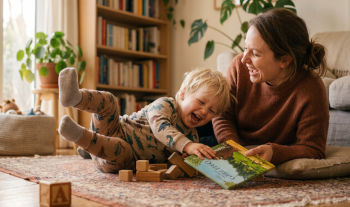
Have you ever felt like becoming a parent meant losing a part of yourself? 💛
You’re not alone.
Many parents spend so much time caring for everyone else that their own happiness quietly slips away. But here’s the surprising truth: one of the most powerful ways to raise happy, emotionally resilient children is to nurture your own wellbeing first.
In this honest and deeply personal article, happiness researcher and first-time dad Declan Edwards shares the reality of navigating sleep deprivation, postnatal mental health challenges, and the unexpected “parenting paradox”—along with three simple, science-backed strategies that helped him rediscover joy in parenthood.
✨ Learn why protecting your own happiness isn’t selfish—it’s one of the greatest gifts you can give your child.
If you’ve ever felt exhausted, overwhelmed, or like you’re simply trying to survive the day, this article is for you.
Read the full story
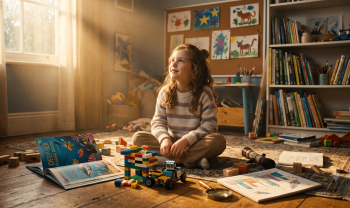
“So… what do you want to be when you grow up?”
It’s a question almost every child hears.
We ask it with the best intentions — hoping to inspire dreams, encourage ambition and help our children imagine an exciting future.
But what if this simple question is asking children to decide who they will become before they have had enough time to discover who they are?
In a world that is changing faster than ever, the future won’t belong to children who have every answer early.
It will belong to children who are curious, adaptable, resilient and confident enough to keep learning, growing and embracing new possibilities.
✨ The truth is, children don’t need to choose the “perfect” path from a young age.
They need the freedom to explore, make mistakes, follow their interests and discover their strengths without the pressure of having everything figured out.
Because changing their mind isn’t failure.
It’s learning.
And the greatest gift we can give our children isn’t choosing their future for them…
❤️ It’s helping them become confident enough to create their own.
Discover why we need to rethink the way we talk about careers, success and the future, and how we can support our children to explore possibilities with curiosity rather than pressure.
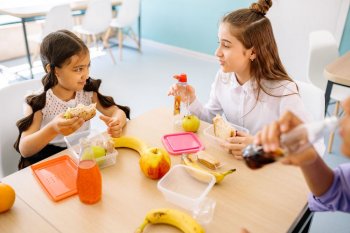
Could your child’s ability to focus have less to do with trying harder… and more to do with what happens long before they walk into the classroom?
Every parent wants to help their child learn, concentrate and feel confident at school. But supporting a growing brain isn’t about finding a miracle food or the latest trend. It’s about understanding the powerful role that nutrition, sleep, movement and everyday family habits play in helping children thrive.
Backed by research, this article explores the key nutrients that support healthy brain development, why sleep may be one of the most overlooked learning tools, and the simple, realistic changes that can make a lasting difference.
Because when children are given the right foundations, they’re better equipped to learn, grow and reach their full potential.
Read the full article now
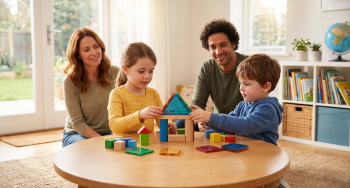
💛 Separation changes a family, but it doesn’t have to change how deeply a child feels loved.
When a relationship ends, parents are often navigating heartbreak, uncertainty, financial pressures and countless life-changing decisions. But for children, the biggest questions are much simpler: *”Am I still safe? Am I still loved?”*
This heartfelt article explores how keeping children at the centre of every decision can help protect their emotional wellbeing during one of life’s biggest transitions. From maintaining familiar routines and recognising the many faces of grief to shielding children from adult conflict, these compassionate, practical insights can make a lasting difference.
Because while families may look different after separation, children still need the same things they’ve always needed—to feel safe, secure, heard and deeply loved.
Whether you’re navigating separation yourself or supporting someone who is, this is an important read.
❤️ Every child deserves to know: *”This isn’t your fault, and you are loved beyond measure.”*
Read the full article now.

The first overnight camp drop-off is a big moment… for kids and parents. ❤️
Watching your child step onto that bus with their backpack, sleeping bag and a mix of excitement and nerves can bring all the feelings.
Will they be okay? Will they miss home? Will they make friends?
With a little preparation, you can help turn those worries into confidence, independence and an unforgettable childhood memory.
From what to pack, how to prepare them emotionally, managing homesickness and making goodbye day easier, these 4 essential tips will help your child feel ready for their first big adventure. ⛺✨
Read more and help your little camper head off feeling confident, capable and excited.
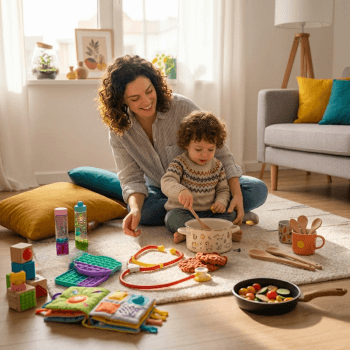
Some wins as a parent are life-changing. ❤️
When you finally find the sensory or therapy tool that could help your child feel calmer, focus better, or navigate the day with more confidence… only to discover it doesn’t ship to Australia 💔.
If you’ve ever felt that frustration, you’re not alone.
This article shares practical advice on finding the right sensory tools, when to shop locally, and how Australian families can safely access US-only products when there are no local alternatives.
Because sometimes the right tool isn’t just another purchase… it’s the one that helps your child thrive. 💙
👉 Read the full article now.

What if your child’s favourite “screen time” song was actually building language skills, emotional regulation, and early learning foundations?
Sesame Workshop has just released a new music album made entirely of playful pop parodies — and while it sounds like fun (it is), there’s something deeper happening here.
From potty training anthems to sharing, self-control, and teamwork songs, this isn’t just entertainment — it’s learning disguised as music.
We’ve broken down what parents need to know (and what the research says about music and brain development in early childhood) in a new Kiddipedia feature.
🎧 Read the full article here and see why this matters more than you think.
Get parenting advice and support delivered right to your inbox
We'd love to hear what you think of the website, so we can continue to improve it . . . GIVE YOUR FEEDBACK >