

When a family changes, children can feel it in ways they don’t always have the words to explain. 💔
Separation can bring big emotions, uncertainty, two homes, changing routines and questions that are sometimes hard for parents to answer.
But you don’t have to make separation painless to help your child feel safe, loved and secure.
From what to say — and what not to say — to managing routines, conflict, parenting arrangements and those moments when your child says, “I don’t want to go”, this guide offers practical, compassionate advice for parents trying to navigate one of life’s hardest transitions.
Because sometimes, the most important thing your child needs isn’t a perfect parent or a perfect arrangement.
They just need to know: “I’m loved. This isn’t my fault. And I’m going to be okay.” ❤️

Two of the most loved faces in children’s television have finally met… and it’s every bit as joyful as you’d hope. 🐷❤️🔴
Peppa Pig and Elmo are jumping into the same muddy puddle** for the first time — with music, movement, laughter and a dance remix little ones will want to watch again and again. 💦🎶
But here’s the part we found really interesting…
What if the best thing about this new collaboration **isn’t what happens on the screen — but what happens after it?
From dancing and singing to imaginative play and getting outside, we explore **how parents can turn a favourite song into an opportunity for movement, connection and play.
Because sometimes, the magic really begins when **the screen goes off. ❤️
👉 Read the full article on Kiddipedia and discover how to turn Peppa and Elmo’s muddy-puddle fun into play your whole family can join in with.

From the outside, he looked like he had it all together.
A dad. A husband. A business owner. A carpenter. An SES volunteer. Someone others could rely on.
But behind the scenes, Daniel Hills was struggling with his mental health — until his life unravelled and he reached a point where he nearly lost it altogether.
Today, he has rebuilt his career, reconnected with his children and found a very different definition of strength.
His message to parents, partners, friends and families is simple: you don’t have to wait until everything falls apart to ask for help.
Sometimes the strongest words you can say are:
“I’m not okay and I need some help.”
Read Daniel’s powerful story of mental health, fatherhood, loss, recovery and finding a reason to keep going.
Your worst chapter does not have to be your last.

🏠 I don’t want to move…”
For adults, moving house might mean a fresh start, a better home or simply doing what needs to be done.
But for a child, it can mean saying goodbye to their bedroom, their friends, their school, their favourite places and the little routines that make life feel safe. 💔
And when families are forced to move more often because of Australia’s housing and rental crisis, what does that mean for our children?
New research reveals that children who move frequently can experience changes in their emotions, sleep, eating, routines, concentration and sense of belonging.
The good news? There are things parents can do to help. ❤️
From how you first tell your child about the move, to using stories, play, photos and familiar connections to help them understand and process the change.
If your family is preparing for a move, don’t just pack the boxes — prepare your child’s heart, too.
👉 Read the article to discover how you can help your child feel safer, supported and connected through a big move.

Another doctor’s appointment. Another morning off work. Another car trip. Another waiting room.😩❤️
For busy parents, sometimes the hardest part of getting healthcare isn’t the appointment itself — it’s everything that has to happen just to get there.
But what if you didn’t always have to?
From video consultations and phone appointments to remote monitoring and digital health, telehealth is changing the way Australian families access healthcare.
It won’t replace the need for face-to-face care — and it shouldn’t. But when virtual care is appropriate, it can mean less travel, fewer logistical headaches and one less thing to juggle.
So, when can telehealth actually help your family — and when is an in-person appointment still essential?
We’ve broken down what parents need to know about the changing face of healthcare.❤️
👉 Read the full article and discover how telehealth could make family healthcare a little easier.

As parents, we all want to give our children a secure future. ❤️
We want them to be safe, happy, provided for and given every opportunity — and when we’re no longer here to help them, we want to know we’ve done what we could to leave them with a strong foundation for life.
But building that future isn’t always easy.
With the cost of living putting pressure on Australian families, every dollar counts. And deciding how best to build, protect and eventually pass on the wealth we work so hard to create can feel like a big responsibility.
Should we save more? Pay down the mortgage? Invest in shares, property or super? Or could physical gold have a place in a long-term family financial plan?
For some families, it may be worth considering. For others, it may not be the right fit.
Our latest article looks at why some families consider physical gold, what to look for, the potential benefits and risks, costs, storage, insurance, tax, scams and what happens when an investment is eventually passed on to the next generation.
Because when we’re investing with our children’s future in mind, it’s not simply about building wealth. It’s about creating more choices, more security and a stronger foundation for the people we love. 💛
Could gold have a place in your family’s financial future?
Read the full article and explore the possibilities without the hype.

When we sit down to watch the footy with our kids, we want them to see the game — not a constant stream of messages telling them that betting is part of it. 🏉❤️
And during our current National Child Protection Week, running runs 6–12 September 2026, it’s a timely question for parents to ask: what are our children seeing, hearing and learning from the world around them?
For many Australian families, gambling has become increasingly woven into the sporting experience — from betting odds and promotions to gambling brands appearing alongside the teams and players children know and love.
But that’s about to change.
From 2027, new gambling advertising reforms will change what families see around live sport. While gambling messages won’t disappear completely, the changes are designed to reduce children’s exposure to wagering advertising during sport.
This year’s National Child Protection Week theme, “Every Conversation Matters: Shifting Conversation to Action,” is a powerful reminder that protecting children isn’t only about what we do when something goes wrong. It’s also about the everyday environments we create around them — and the messages they absorb along the way.
So, what will your family actually notice when Footy 2027 arrives? What gambling messages might kids still see? And how can parents help children recognise the sales pitch behind them?
We break down what Australian parents need to know.
#NationalChildProtectionWeek #EveryConversationMatters #GamblingAds #Footy2027 #AustralianParents #Parenting #ChildSafety #KidsAndSport #FamilyFooty #GamblingAwareness #MediaLiteracy #DigitalLiteracy #AustralianFamilies #FamilySafety #ParentingAdvice

What if the best Father’s Day gift isn’t something you can wrap? ❤️
We know Dad as Dad… but how well do we really know the person behind the title?
The little boy he once was.
The dreams he had.
The mistakes he made.
The stories we’ve never thought to ask about.
This Father’s Day, instead of simply buying another gift, why not give Dad something far more meaningful — your time, your attention and your curiosity?
Ask him a question you’ve never asked before. Listen to a story you’ve heard a hundred times. Put your phone away. Tell him what you appreciate.
And if you’ve drifted apart, perhaps take one small step towards reconnecting.
Because one day, the presents will be forgotten. The moments you shared won’t be. ❤️
Discover 7 simple ways to make this Father’s Day about more than presents.
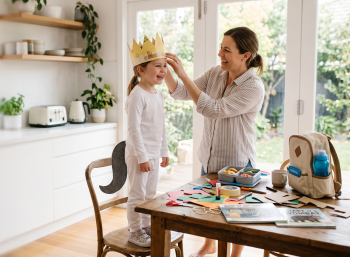
😱 Just found another school note announcing Book Week or the 100th Day of School… and it’s tomorrow?
Take a deep breath! 💛 You don’t need expensive costumes or a late-night craft marathon.
From a clever 100-year-old makeover to Matilda, Paddington, Max, The Very Hungry Caterpillar and more, these 10 easy costume ideas can be created using things you probably already have at home.
Less stress. Less spending. More smiles. ✨
Read the article now and make this year’s dress-up day one to remember, for all the right reasons.
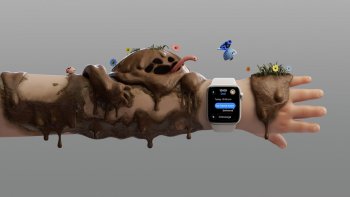
📱💛 When is your child ready for their first connected device?
There’s no magic age when children become ready for more independence — it often happens in those everyday moments that make parents pause…
🚶♀️ Walking to school alone
🚌 Catching public transport
🏡 Going to a friend’s house or sleepover
🌏 Spending more time away from home
For many parents, the question isn’t about giving their child a smartphone — it’s about finding the right balance between freedom, safety and staying connected. 💕
New research reveals the milestones that are prompting Australian families to consider their child’s first connected device, and why smartwatches are becoming an option for parents who want to support independence while still having peace of mind.
💬 When did you first feel your child was ready for more independence?
👉 Read the full article to explore what Australian parents are thinking about when it comes to staying connected as children grow.
Get parenting advice and support delivered right to your inbox
We'd love to hear what you think of the website, so we can continue to improve it . . . GIVE YOUR FEEDBACK >