
kiddi
Ensuring water safety at home should be a priority for every parent. While we often take clean water for granted, we may not fully understand how various factors affect the quality of our drinking water. Parents need to educate themselves about these variables to protect their families from potential contaminants. By understanding the sources of water contamination and the necessary prevention measures, they can create a safer environment for their children.
Understanding Water Contamination
Water contamination can stem from a variety of sources, including industrial activities, agricultural runoff, and even plumbing issues within the home. These contaminants can include harmful chemicals, microbes, and heavy metals that pose serious health risks. Parents should be aware of these potential dangers and take proactive steps to assess the quality of their household water.
Testing your water supply regularly is important to identify any hazardous substances. Kits for home water testing are available and usually include measures for detecting bacteria, lead, and pesticides. A comprehensive water test helps parents understand the specific contaminants present in their water, allowing them to implement effective filtration systems.
Managing Your Home’s Plumbing
Another aspect of water safety at home lies in the integrity of your plumbing system. Aging pipes and fixtures can leach contaminants into drinking water, contributing to poor water quality. Corroded pipes can release lead, while old plumbing might introduce other harmful substances.
Homeowners should inspect their plumbing periodically to prevent any issues that could jeopardise water safety. In cases where repairs or replacements are necessary, engaging professionals for proper water bores repairs can ensure that systems are up to standard and working efficiently. Investing in newer materials for plumbing installation, such as PEX or copper, can drastically improve the safety and taste of water, eliminating concerns about contaminants that older systems might introduce.
Implementing Effective Filtration Systems
Filtration systems range from simple faucet attachments to entire home units that treat all water before it reaches the tap. Reverse osmosis systems, for example, have become quite popular for their effectiveness in removing numerous contaminants, including lead and chlorine. Such systems ensure that the water your family consumes is free from harmful substances, significantly improving health and safety.
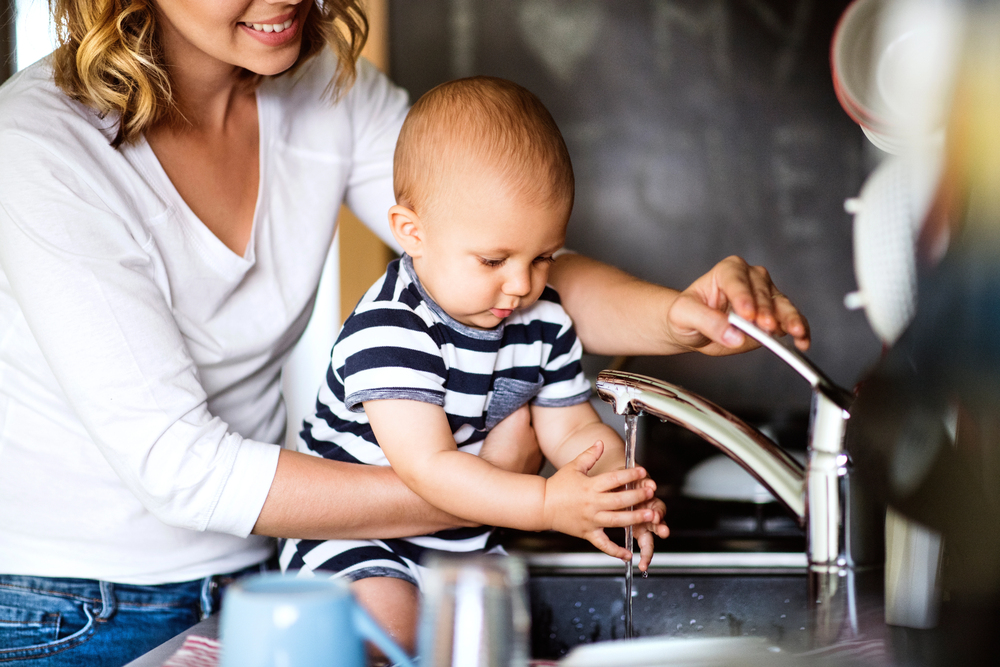
For families wanting a simple starting point, installing filtered water taps directly at the kitchen sink is one of the easiest upgrades, giving instant access to filtered drinking water without needing a jug or a full house system.
It’s critical to maintain and regularly monitor these systems to ensure they are functioning correctly. Filters can become saturated and harbor bacteria if not changed or cleaned properly. Parents should establish a routine for checking and replacing filters according to the manufacturer’s recommendations.
Educating Your Family About Water Safety
Parents should engage their children in learning about the importance of clean water. Discussing the topic with family can foster awareness and encourage kids to develop healthy habits. Encourage school-aged children to understand the value of water, conservation practices, and the need for cleanliness in personal hygiene, such as washing hands with safe water.
Engaging kids in the family’s water testing or filtration routines can turn learning into a fun and interactive experience. Discussing current events related to water safety or inviting experts for educational sessions can enrich their understanding of the importance of maintaining safe water sources.

Ensuring safe water at home starts with understanding the various factors that influence water quality. Parents play a key role in testing and managing their water sources, implementing effective filtration systems, and maintaining plumbing systems while educating their families on water safety. It is a continuous effort to ensure one’s family is protected from potential hazards, but with dedication and awareness, parents can significantly enhance their household’s water safety. Taking these steps will safeguard and instil informed practices in the next generation.