
Kiddipedia
When your child comes home with tears in their eyes after another rough day at school, it’s hard not to feel helpless. Bullying isn’t just a schoolyard problem; it touches every corner of family life. The emotional weight can be overwhelming, and as a parent, you may feel lost, unsure of how to help or where to turn.
But you’re not alone. Across Australia, families are facing this challenge together, and there are pathways to healing, paths that begin with understanding, support, and connection.
Understanding the Rising Concern
Bullying in Australian schools is more than playground teasing—it’s a persistent challenge that affects children’s mental health, self-esteem, and academic outcomes. According to a national survey, nearly one in four Australian students reports being bullied at school, with parents expressing increasing anxiety about the long-term emotional consequences. The Courier Mail article, “Parents’ fears for children surge as new bullying statistics revealed,” discusses a survey commissioned by the Triple P parenting program, which included 1,506 parents of children aged 12 and under. The survey highlighted significant concerns about bullying in schools and the growing anxiety among parents regarding its lasting impact. Courier Mail
The effects aren’t fleeting. Research shows that children who experience bullying are more likely to suffer from anxiety, depression, and social withdrawal, even into adulthood. For parents, watching a child navigate these challenges can be heart-wrenching.
“It’s devastating to see your child come home upset, unsure how to handle friendships or school dynamics. Parents often feel powerless, but there are effective ways to intervene and support resilience,” says Dr. Brooks Gibbs, a child psychologist and parenting expert.
Many parents quietly share common emotions: guilt for not seeing the signs sooner, frustration when progress feels slow, or anxiety about long-term impacts. These feelings are normal—and acknowledging them is the first step toward meaningful action.
A New Hope: Parent-Child Interaction Therapy (PCIT)
Amid growing concerns, Parent-Child Interaction Therapy (PCIT) is emerging as a breakthrough support program. This school-based program strengthens the parent-child relationship while teaching children strategies to manage their behaviour and respond positively to conflict (Australian Institute of Family Studies).
A pioneering behavioural clinic at Ingleburn Public School in Sydney, based on enhanced Parent-Child Interaction Therapy (PCIT), has yielded significant improvements in young students’ disruptive behaviours. Developed by clinical psychologist Eva Kimonis, this school-based therapy program actively involves both parents and teachers. Parents are coached through in-ear devices during therapy sessions, while teachers reinforce strategies in classrooms. The first trial demonstrated that 91% of 69 prep and year 1 students showed a return to typical behaviour. This whole-systems approach has fostered closer collaboration between schools and families, notably improving school environments. (The Guardian).
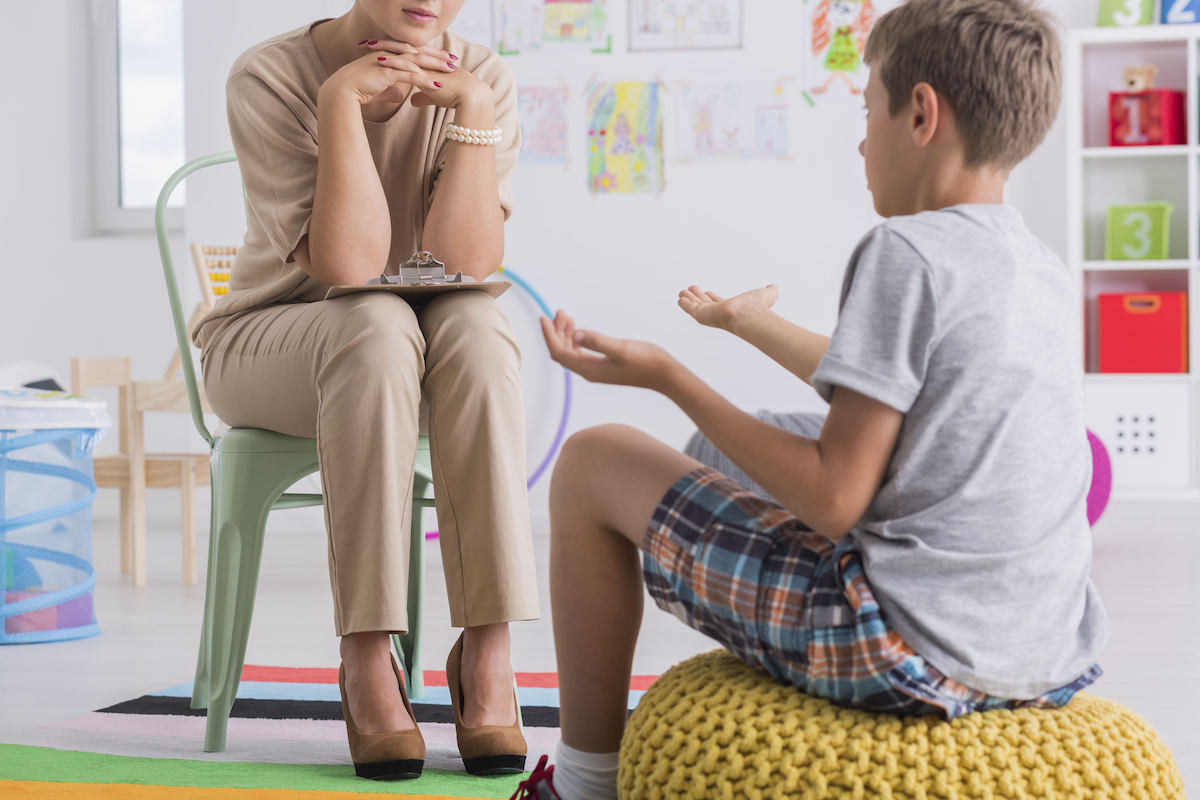
PCIT emphasises collaboration: teachers, parents, and children work together to reinforce positive interactions, rather than focusing solely on punitive measures.
“It’s not about blaming the child or the school. It’s about equipping families with tools to communicate effectively, set consistent boundaries, and build resilience,” explains Dr. Brooks Gibbs.
One parent shared that after using PCIT techniques, her son started telling her about playground conflicts before they escalated—a small but meaningful change. This micro-story illustrates how even minor improvements in communication can create a sense of safety and trust for both child and parent.
The Research Behind Behavioural Support
Evidence supporting PCIT and similar programs continues to grow. Studies show that early behavioural support can:
-
Reduce aggression and tough behaviours in children aged 3–10.
-
Improve emotional regulation and social competence, helping children navigate friendships more effectively.
-
Increase parental confidence, decreasing stress and feelings of helplessness (Australian Institute of Family Studies).
Importantly, these programs are tailored to each child’s needs. By addressing behaviour patterns proactively, schools and families can prevent small conflicts from escalating into chronic bullying situations.
Practical Steps for Parents at Home
While school-based programs are valuable, parents also play a critical role in breaking the bullying cycle. Even small actions can make a big difference:
✅ Foster open communication
Encourage children to share experiences without fear of judgment. Listen actively and validate their feelings.
✅ Model problem-solving and empathy
Demonstrate how to handle disagreements calmly, reinforcing that conflicts can be resolved respectfully.
✅ Set consistent boundaries
Clear, predictable rules at home create a sense of safety and consistency for children navigating social challenges.
✅ Collaborate with educators
Work with teachers and school counsellors to stay informed and align strategies between home and school.
✅ Encourage peer support and extracurricular engagement
Children with strong social networks and hobbies outside school are better equipped to cope with bullying experiences.
“Even small conversations can make a big difference—try asking how your child’s day went and really listen. It’s normal to feel frustrated when progress seems slow—take it one step at a time,” says Dr. Brooks Gibbs.
The Bigger Picture: Empowering Children and Parents
Bullying isn’t a challenge to face alone. With structured school programs like PCIT, supported by parental involvement, children can develop resilience, social skills, and confidence.
“We want to raise kids who understand their emotions, can set boundaries, and respond to conflict without fear. Parent involvement is crucial—kids learn how to handle life’s challenges by watching how we do it ourselves,” says Dr. Brooks Gibbs.
Early intervention, collaboration, and empathy are key. Families who engage in consistent communication and leverage evidence-based programs can help their children navigate social complexities, reducing the emotional burden on both child and parent.
To every parent reading this: your love, patience, and commitment are powerful tools in your child’s healing journey. The path may be challenging, but with each conversation, each act of support, and each step forward, you’re making a difference.
“You don’t have to fix everything at once. Each supportive conversation, each positive interaction, is a step toward helping your child feel safe, heard, and confident,” says Dr. Brooks Gibbs.