
kiddi
Most dental problems don’t start dramatically. They start quietly—an off taste, a bit of bleeding you ignore, chewing on one side because it’s “easier”, a kid who rushes brushing because the lunchbox still isn’t packed.
If a family only thinks about teeth when something hurts, oral health becomes reactive by default. And reactive usually means more stress, more time off work or school, and more complicated decisions.
Prevention isn’t about being perfect. It’s about building basic foundations for lifelong success.
The “family system” approach to oral health
Oral health is one of those things that behaves like a household habit, not an individual hobby. One person buys toothpaste. Someone decides when the last snack happens. Kids copy what they see (and what gets enforced).
That’s why “we’re all good” can be misleading. A household can be “mostly fine” while one person is quietly slipping into gum trouble, or while a teen is sipping sugary drinks all afternoon.
A simple mindset helps: protect, check, fix early. Not glamorous, but it works.
1. The Power of “Catching It Early”
We’ve all heard that an ounce of prevention is worth a pound of cure. In the dental world, it’s also a heck of a lot cheaper. Many of us only see a dentist when something hurts, but by then, the damage is done.
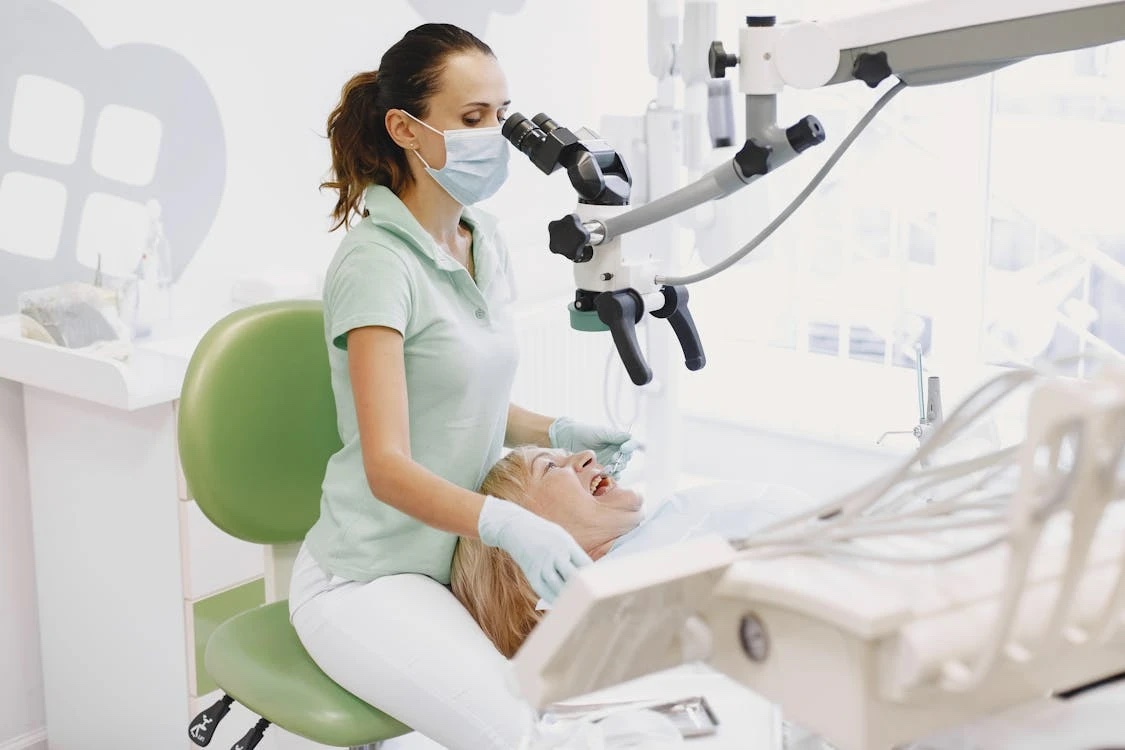
Prioritising preventive dental care is about creating a baseline. It’s the routine six-monthly scale and clean, sure, but it’s also about checking gum health and catching micro-cavities before they turn into root canals. When you make these visits a non-negotiable part of the family calendar, you’re setting a massive example for the kids. It shows them that health is a lifestyle, not just a reaction to pain. Plus, it keeps your natural teeth exactly where they belong—in your mouth.
2. Getting Your Smile Back: The Dental Implant Factor
Life happens. Maybe it was a footy accident years ago, or maybe pregnancy just took a toll on your oral health (calcium depletion is a real thing, after all). Losing a tooth is a blow to your confidence. It changes how you eat, how you talk, and how often you’re willing to grin in family photos.
If you’ve got a gap that’s bothering you, dental implants solutions are essentially the closest thing we have to a “do-over.” Unlike old-school bridges or dentures that can feel a bit clunky, an implant is fixed. It acts like a natural root, merging with your jawbone to provide total stability.
3. Straightening Out the Budget (And Your Teeth)
We often think of braces as a “teenager thing,” but plenty of Aussie adults are now fixing the bits they missed out on earlier in life. Maybe your teeth have shifted over the years, or you’re tired of that one crooked tooth ruining every selfie.
The barrier is usually the cost and the look. No one wants to head into a boardroom or a school assembly with a mouth full of metal. That’s why the shift toward affordable teeth straightening has been such a game-changer for parents. With clear aligners and discreet options, you can fix your bite without it becoming your entire personality.
Aligning your teeth isn’t just for looks, either. Straight teeth are easier to clean, which means less plaque build-up and fewer dental bills in the long run. It’s restorative work that doubles as prevention.
4. The “Tired Parent” Skin Refresh
Let’s talk about the face in the mirror. Parenting is exhausting, and the lack of sleep—combined with the harsh Australian sun at Saturday morning sport—shows up on our skin pretty quickly. If you’re feeling a bit dull or dealing with stubborn redness, you don’t need a ten-step routine you’ll never finish.
Instead, a lot of parents are turning to professional led light therapy. It’s basically a high-tech “pause” button. You sit under the light for twenty minutes, and it goes to work stimulating collagen and calming down inflammation.
The best part? No downtime. You can pop in during a lunch break or between errands and head straight back to the school gate with a bit of a glow. It’s a simple, non-invasive way to look as energized as you (hopefully) feel.
What preventive care looks like across ages
Kids
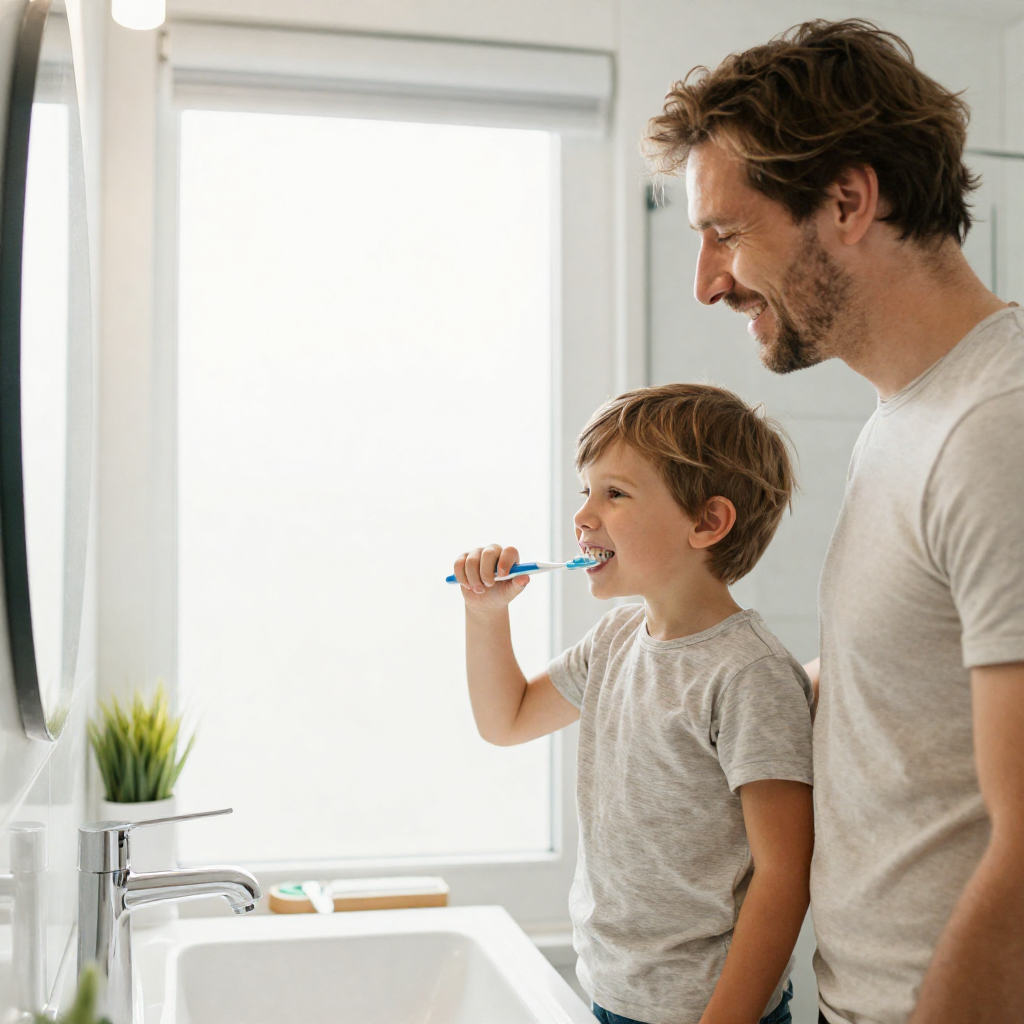
For children, the game is habit-building and early spotting. Brushing twice a day matters, but so does where they brush—back molars and along the gumline are where corners get cut.
If you’re noticing mouth breathing, frequent congestion, or grinding, mention it at the next visit. None of that guarantees a problem, but it’s useful context.
Teens
Teens have their own traps: rushing everything, snacking constantly, forgetting brushes at sleepovers, and treating energy drinks like water. Even a “good” brusher can lose ground if acids and sugars are constant.
This is also the age where tooth alignment conversations often become practical rather than theoretical. If straightening is on the radar, the best time to talk about it is usually before people start compensating with weird chewing habits.
Adults
For adults, the biggest risk factor is often time. People do the bare minimum, then assume they’re covered because nothing is screaming.
Bleeding gums are worth attention even when they don’t hurt. So is sensitivity that’s creeping up, or bad breath that comes back quickly after brushing.
Older adults
Dry mouth from medications, reduced dexterity, and existing dental work can make maintenance harder. Here, “preventive” often means preventing emergencies: cracked teeth, infections, and sudden pain.
Across all ages, the pattern is the same: small actions, repeated, beat occasional bursts of effort.
Common questions we hear from Australian families
How often should a family book a check-up if everything seems fine?
Usually, regular visits help catch early problems before they become time-consuming, but the right frequency depends on things like past decay, gum bleeding, or dry mouth.
What are early signs that gum health needs attention?
In most cases, bleeding when brushing, bad breath that returns quickly, or gums that look puffy are early clues.
If a tooth is missing, does it always need replacing?
It depends on where the gap is, how your bite loads, and whether neighbouring teeth are drifting or taking extra force. A practical next step is to note any chewing changes, food trapping, or speech changes and raise them during an assessment. In many Australian households, people put it off because it feels “non-urgent,” which is exactly why a clear explanation of trade-offs helps.
How can parents improve kids’ brushing without daily arguments?
Usually, the best results come from making it automatic rather than negotiable—same time, same sequence, and an adult modelling it for a short stretch. A practical next step is to use a two-minute timer and do a one-week “brush together” reset. In most Aussie homes, locking in the evening routine is easier than mornings during the school rush.