
Kiddipedia
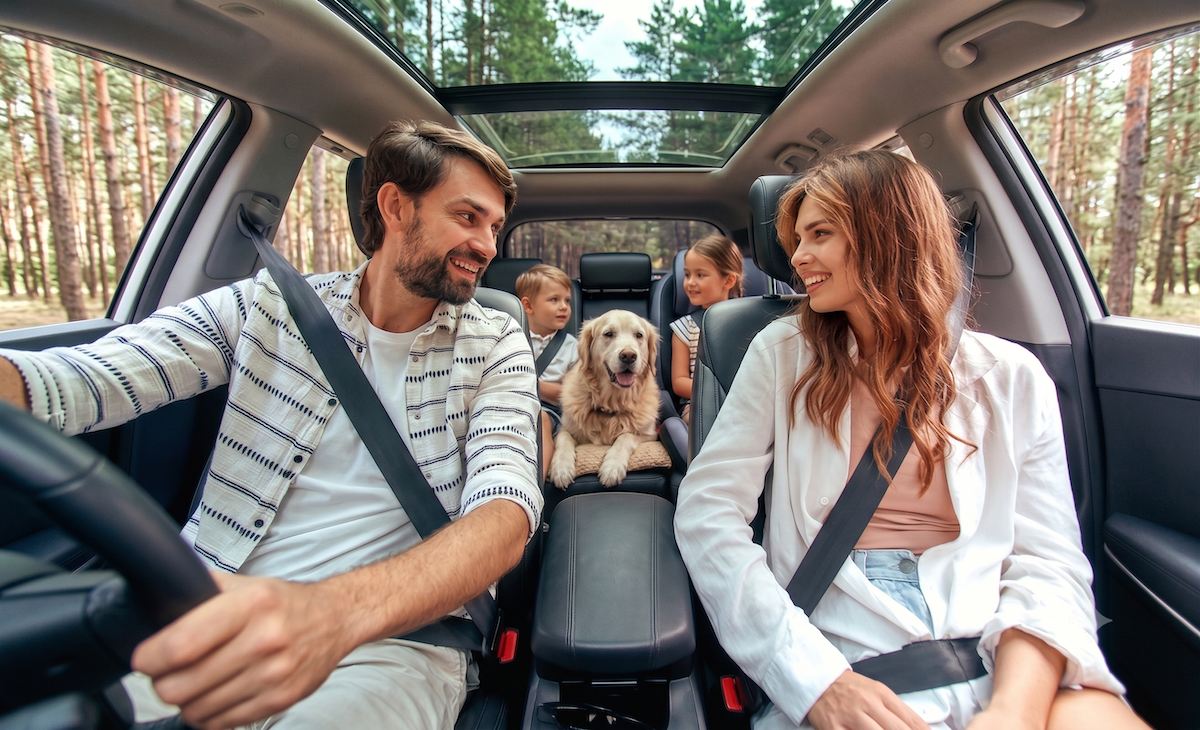
There is something magical about a family road trip.
It is the excitement in children’s voices as they climb into the car, the carefully chosen playlist that somehow becomes “the family travel soundtrack”, the roadside stops that were never part of the original plan, and the little moments that become stories retold for years.
Sometimes it is the simple things children remember most — stopping at a playground halfway through the journey, discovering a hidden café, seeing kangaroos beside the road, or laughing together when the family playlist turns into an unexpected singalong.
But every parent knows the reality behind those beautiful memories.
A two-hour drive can feel like an entire day when someone is hungry, overtired, uncomfortable, carsick or asking:
“Are we there yet?”
for what feels like the hundredth time.
As parents, we often spend so much time preparing the bags, packing snacks and organising entertainment that we forget one of the most important parts of the journey — preparing our children for the experience itself.
The secret to a successful road trip with kids is not trying to create a journey where nothing goes wrong. Children are unpredictable, and family adventures rarely go exactly according to plan.
Instead, the goal is to understand what children need before challenges appear.
A child who is tired, overwhelmed, hungry or uncomfortable is not trying to make the trip difficult. They are communicating the only way they know how.
When we understand this, we can move from simply reacting to problems to creating a travel environment where children feel safer, calmer and more supported.
Whether you are driving to visit family, heading away for a weekend adventure, travelling during school holidays or planning a longer interstate journey, thoughtful preparation can transform the experience for everyone in the car.
This guide shares the family road trip essentials every parent should know — combining child safety research, child development principles, practical parenting strategies and Australian road safety advice to help families travel with greater confidence.
The Hidden Challenge of Road Trips: Your Child’s Brain Experiences Travel Differently
One of the biggest shifts parents can make before travelling is understanding that children do not experience a long car journey in the same way adults do.
For us, a three-hour drive is a measurement of distance and time.
For a toddler, three hours can feel almost impossible to understand.
Young children are still developing the brain skills needed for:
- Understanding time
- Managing frustration
- Delaying gratification
- Regulating emotions
- Coping with boredom
- Adapting to unexpected changes
This means when a child asks, “Are we there yet?” after 20 minutes, they are not necessarily being impatient or difficult.
They genuinely do not experience time in the same way adults do.
A young child may understand:
“We are leaving after breakfast.”
“We will stop at the playground.”
“We will arrive after our afternoon snack.”
These concrete events are easier for children to understand than:
“We have another three hours to go.”
Tip: Give Children a Travel Roadmap Before Leaving
One of the simplest ways to reduce travel anxiety is to explain what will happen before the journey begins.
Children feel more secure when they know what to expect.
Before leaving home, try explaining:
- Where you are going
- How long you will approximately travel
- When you will stop
- What will happen when you arrive
For younger children, keep it simple:
“We are going in the car to visit Nana. We will drive, have a snack break, stretch our legs, then keep going until we get there.”
This creates a mental roadmap and helps children feel involved rather than feeling like they are simply being placed into a car seat with no understanding of what comes next.
The Emotional Preparation Most Parents Skip
Most road trip preparation focuses on physical items:
✔ Clothes
✔ Toiletries
✔ Snacks
✔ Toys
✔ Chargers
But one of the most valuable things parents can pack is emotional preparation.
Children often struggle during travel because the normal rhythm of their day changes.
They may experience:
- A different wake-up time
- Less movement
- New surroundings
- Unfamiliar expectations
- Reduced control over what happens next
Before leaving, involve children in age-appropriate ways.
Depending on their age, they can:
- Choose a toy to bring
- Help pack snacks
- Pick a book for the journey
- Look at photos of where they are going
- Help plan a rest stop activity
This creates a sense of ownership.
Children cope better with change when they feel included in the process.
Creating a Calm Car Environment
Many parents assume the key to a successful road trip is providing children with as much entertainment as possible.
However, more stimulation is not always better.
A car full of:
- Multiple screens
- Loud toys
- Constant activities
- Unlimited snacks
- Continuous noise
can sometimes create sensory overload, particularly for younger children or children who are sensitive to noise, movement or changes in routine.
A calmer travel environment often supports better emotional regulation.
Consider creating a predictable rhythm:
Before leaving:
✔ Explain the journey
✔ Encourage children to use the toilet
✔ Have water available
✔ Pack comfort items within reach
During travel:
✔ Alternate between conversation, music, rest and activities
✔ Allow quiet periods
✔ Avoid introducing too many new activities at once
Sometimes the best road trip moments happen when children are simply looking out the window, asking questions and noticing the world around them.
Understanding Sensory Needs During Car Travel
Every child experiences travel differently.
Some children love the movement of the car and happily sleep through long journeys.
Others may become overwhelmed by:
- Road noise
- Bright sunlight
- Feeling confined
- Clothing discomfort
- Strong smells
- Motion
This is particularly important for children who have sensory processing differences, including some neurodivergent children.
A child who becomes upset during a car trip may not be “misbehaving”.
They may be communicating that their environment feels overwhelming.
Small adjustments can make a big difference:
✔ Use sun shades to reduce glare
✔ Keep favourite comfort items nearby
✔ Avoid strong fragrances in the car
✔ Maintain a comfortable temperature
✔ Prepare children for changes in routine
The Family Vehicle Check: Safety Starts Before Everyone Buckles Up
Before thinking about entertainment, snacks or activities, the first priority is making sure the vehicle itself is ready.
As parents, we naturally focus on our children’s needs, but the car is the environment protecting them for every kilometre of the journey.
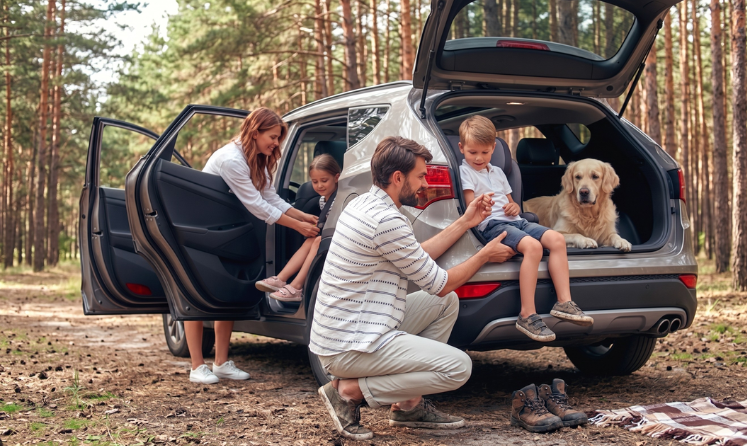
A few simple checks before departure can prevent avoidable problems later.
Complete a Pre-Trip Vehicle Safety Check
Before a long journey, check:
✔ Tyre condition and pressure
✔ Spare tyre or tyre repair equipment
✔ Engine oil levels
✔ Coolant levels
✔ Brake condition
✔ Lights and indicators
✔ Windscreen washer fluid
✔ Battery condition
✔ Fuel level or charging capacity for electric vehicles
Make sure to pack jumper cables and a portable tyre inflator in your boot for minor roadside issues.
If your vehicle is due for a service or you have concerns, arranging a professional inspection before travelling can provide peace of mind.
A breakdown with children can quickly become stressful, especially during extreme weather or in areas with limited phone coverage.
Modern Family Travel: Preparing for the Unexpected
Today’s families rely heavily on technology while travelling.
Our phones are used for:
- Navigation
- Emergency communication
- Accommodation details
- Digital tickets
- Weather updates
- Road condition information
A flat battery at the wrong moment can quickly become a problem.
If your family road trip includes extended camping or off-grid adventures, consider using a 12V deep cycle battery for reliable power. To help protect it from damage, dirt and moisture, it’s worth investing in one and buy a battery box designed to keep your power source secure while travelling.
Before leaving:
✔ Fully charge all devices
✔ Pack reliable power banks
✔ Bring suitable charging cables
✔ Download offline maps
✔ Save important travel information
A phone is not just a convenience during a family road trip — it can be an important safety tool.
Part 2: Advanced Child Safety on the Road
Child Car Safety: The Most Important Part of Any Family Road Trip
When we think about preparing for a family road trip, it is easy to focus on the things that make the journey enjoyable — snacks, entertainment, playlists, activities and comfort items.
But the most important preparation happens before the engine even starts.
Child car safety is not just about having a car seat installed. It is about ensuring the restraint is suitable for your child’s age, size and developmental stage, correctly fitted, adjusted properly and used consistently every single time your child travels.
As parents, we make hundreds of decisions every day to keep our children safe. Car travel is one area where small details can make a significant difference.
A restraint that is slightly loose, straps that are incorrectly positioned or a child who has moved beyond the recommended limits of their seat can affect how well they are protected in the event of a crash.
The goal is not to create fear around travel. It is to give parents confidence that the safety decisions they are making are based on evidence rather than assumptions.
The Biggest Car Seat Mistake Parents Make: Moving Children Too Quickly
One of the most common questions parents ask is:
“When can I turn my child forward-facing?”
Many families feel ready to make the transition when their toddler appears uncomfortable, wants to see the driver or seems too big for their rear-facing seat.
However, readiness is not determined by curiosity or appearance alone.
Young children have different body proportions compared with adults. Their heads are larger in relation to their bodies, and their neck and spinal structures are still developing.
During a crash, a child’s body experiences significant forces. A rear-facing restraint helps distribute those forces across the strongest parts of the child’s body, providing additional protection for the head, neck and spine.
This is why Australian child safety experts recommend keeping children rear-facing for as long as possible within the limits of their approved restraint.
Myth vs Fact: Rear-Facing Car Seats
Myth:
“My child’s legs look cramped, so they have outgrown their rear-facing seat.”
Fact:
Young children are naturally flexible. Bent legs, crossed legs or feet touching the vehicle seat are not usually signs that a child is unsafe or too large for rear-facing travel.
Many parents imagine that a child’s legs are more vulnerable when bent, but the greater safety priority is protecting the developing head, neck and spine.
Car Seat Safety: Small Adjustments That Make a Big Difference
Even parents who are extremely safety-conscious can miss small details that affect restraint performance.
Before every long journey, check:
✔ The harness sits flat against your child’s body
✔ The straps are not twisted
✔ The harness is adjusted snugly
✔ The chest clip (where applicable) is positioned correctly
✔ The buckle is fully engaged
✔ The restraint has not become loose over time
Children grow quickly, especially during the early years. A restraint that fitted perfectly several months ago may need adjustment today.
A good habit is to reassess your child’s restraint every few months or whenever there is a noticeable growth change.
The Clothing Mistake That Can Reduce Car Seat Protection
Australian families often travel during colder months, particularly for school holiday adventures, camping trips and interstate travel.
One of the most common mistakes parents make is placing children into their car seats while wearing thick winter coats or bulky jackets.
Although these jackets keep children warm, they can create extra space between the child’s body and the harness.
In a collision, the jacket material can compress, meaning the harness may not hold your child as securely as intended.
Instead:
✔ Dress children in thinner warm layers
✔ Secure the harness correctly
✔ Add blankets over the harness if extra warmth is needed
✔ Remove bulky coats before buckling up
This small change is one of the easiest ways parents can improve child passenger safety.
What About Car Seat Accessories?
The baby and toddler market is filled with products designed to make car travel more comfortable.
From:
- Strap covers
- Inserts
- Cushions
- Head supports
- Mirrors
- Toys attached to restraints
it can be tempting to add extra accessories.
However, parents should always check whether accessories are approved for use with their specific restraint.
Products that alter how a harness fits or position a child within a restraint may affect how the seat performs during a crash.
When it comes to car safety, comfort is important — but it should never compromise protection.
The Hidden Distraction Many Parents Don’t Consider
When travelling with young children, parents naturally want to check on them.
A child crying, dropping a toy or becoming unsettled can trigger an immediate instinct to turn around while driving.
But taking your eyes off the road, even briefly, increases risk.
Instead:
✔ Pull over safely if your child needs immediate attention
✔ Use planned rest stops rather than reacting while driving
✔ Keep commonly needed items within reach of another adult passenger where possible
✔ Consider a correctly installed child-view mirror for rear-facing children
The safest parent is not the parent who responds instantly while driving — it is the parent who creates a safe plan before problems occur.
Creating a Safer Back Seat Environment
A well-prepared back seat can prevent many common travel disruptions.
Before leaving, consider:
Accessibility
Keep essential items where they can be reached safely:
✔ Water bottles
✔ Wipes
✔ Tissues
✔ Spare clothing
✔ Comfort items
✔ Sick bags for children prone to motion sickness
Avoid having to search through bags while the car is moving.
Secure Loose Items
Many families do not realise that everyday objects inside a vehicle can become dangerous during sudden braking or a collision.
Loose items such as:
- Water bottles
- Toys
- Books
- Bags
- Tablets
can become projectiles.
Before travelling:
✔ Secure heavier items
✔ Store bags safely
✔ Avoid placing hard objects near children
✔ Keep the passenger area organised
A tidy vehicle is not just convenient — it can also improve safety.
Travelling With Babies: Their Needs Are Different
A baby’s road trip experience is very different from an older child’s.
Babies have limited ways to communicate discomfort. Crying may mean:
- Hunger
- Tiredness
- Temperature discomfort
- A wet nappy
- Needing movement
- Feeling overwhelmed
For parents travelling with babies, success often comes from flexibility rather than trying to maintain a perfect schedule.
Consider:
✔ Planning around feeding needs where possible
✔ Allowing extra travel time
✔ Packing more supplies than you think you need
✔ Scheduling safe breaks for nappy changes and movement
A journey that takes longer with a baby is not a failure — it is simply a different season of family life.
Travelling With Toddlers: Supporting Independence While Staying Safe
Toddlers are at a fascinating stage of development.
They want independence, choice and control, but they are still learning emotional regulation.
This combination can make long car journeys challenging.
A toddler may say:
“I don’t want my seat.”
“I want to get out.”
“I’m finished.”
This does not mean they are trying to challenge you.
They are expressing a very real need for movement, autonomy or connection.
Strategies that can help:
✔ Offer small choices (“Would you like your blue bottle or green bottle?”)
✔ Create predictable routines
✔ Use countdowns before stopping or continuing
✔ Pack familiar comfort items
✔ Praise their effort during the journey
Children cope better when they feel heard and included.
Neurodivergent Children and Road Trips: Planning for Individual Needs
Every child experiences travel differently.
For children with sensory sensitivities, autism, ADHD or other neurodevelopmental differences, a road trip may involve additional challenges.
The issue is not that the child is “difficult”.
The environment may simply be demanding more from their nervous system.
Potential triggers may include:
- Unexpected changes
- Noise
- Crowded environments
- Different smells
- Physical restriction
- Uncertainty about what happens next
Helpful strategies may include:
✔ Visual schedules showing the journey
✔ Familiar comfort items
✔ Noise-reducing headphones if appropriate
✔ Preparing children for changes
✔ Maintaining predictable routines where possible
A successful family road trip does not mean every child behaves the same way.
It means the journey has been adapted to support the children who are actually travelling.
Part 3: Preventing Road Trip Meltdowns, Supporting Children’s Needs and Keeping Little Passengers Healthy
The Goal Is Not a Perfect Road Trip — It Is a Supported One
Every parent who has travelled with young children knows that even the best-planned journey can change quickly.
You can have the snacks packed, the activities organised, the car fuelled and the route planned — and still hear:
“I’m bored.”
“I don’t like this.”
“I want to get out.”
“Are we there yet?”
Sometimes repeatedly.
The reality is that children are not designed to sit still for long periods without support. Their need for movement, connection, predictability and stimulation is part of normal development.
A successful family road trip is not one where children are quiet the entire time.
It is one where parents understand what children need and create strategies before frustration reaches breaking point.
Why Long Car Journeys Are Harder for Young Children
Adults often underestimate how demanding a long car journey can feel for a child.
From an adult perspective, sitting in a comfortable car with air conditioning and entertainment may seem easy.
But for a young child, a road trip involves:
- Being physically restricted in a car seat
- Limited opportunities for movement
- Changes to their normal routine
- Delayed access to food, toys or comfort
- Reduced ability to communicate needs
- Uncertainty about when the journey will end
Young children are still developing their ability to regulate emotions.
The part of the brain responsible for:
- patience
- impulse control
- emotional regulation
- flexible thinking
continues developing throughout childhood.
This means a toddler who becomes upset after sitting for an hour is not necessarily being difficult — their nervous system may simply be reaching its limit.
The 30-Minute Prevention Strategy: Respond Before the Meltdown
One of the biggest shifts parents can make is learning to recognise early signs of frustration rather than waiting until a child reaches complete distress.
Many parents wait until they hear:
“I need to get out!”
“I’m hungry!”
“I hate this!”
But by that stage, children are often already overwhelmed.
Instead, look for early signs:
- Increased fidgeting
- Repeated questioning
- Irritability
- Whining
- Losing interest in activities
- Becoming unusually quiet
These are often signals that your child needs a reset.
A short break before a meltdown is usually far easier than trying to calm an exhausted, frustrated child.
Tip: Think in Milestones, Not Minutes
Young children struggle to understand time.
Saying:
“We have another two hours.”
does not mean much to a toddler.
Instead, use meaningful events:
“We will stop after we see the big signs.”
“We will have lunch when we get to the next town.”
“We will stretch our legs after this part of the drive.”
Children understand experiences better than numbers.
Creating Predictability: The Secret Weapon for Easier Travel
Children thrive on predictability.
This does not mean every moment needs to be planned perfectly.
It means children benefit from knowing what is coming next.
Before leaving, explain:
- Where you are going
- Who they will see
- Where you will stop
- What they can expect
For younger children, a simple visual travel plan can work beautifully.
For example:
🚗 Get in car
⬇️
🎵 Listen to music
⬇️
🍎 Snack stop
⬇️
🛝 Playground break
⬇️
🚗 Continue driving
⬇️
🏡 Arrive
This gives children a sense of control.
The Role of Connection During Long Drives
One of the most overlooked road trip strategies is connection.
Parents often feel pressure to keep children entertained every minute.
But children do not always need more activities.
Sometimes they need reassurance that they are connected to you.
Simple moments can help:
- Asking questions
- Singing together
- Talking about what you see outside
- Sharing family stories
- Playing verbal games
Some of the best childhood memories are created in ordinary moments.
Screen Time on Road Trips: Finding the Balance
Screens can be an incredibly useful tool during family travel.
A tablet, movie or downloaded show can provide parents and children with a much-needed break during a long journey.
The goal is not to label screens as “good” or “bad”.
The goal is intentional use.
Consider:
✔ Downloading content before leaving
✔ Using headphones where appropriate
✔ Creating screen-free periods
✔ Balancing screens with conversation and movement breaks
For some children, screens can also contribute to motion sickness, particularly when looking down for extended periods.
If your child becomes nauseous while using devices, consider switching to:
- audiobooks
- music
- storytelling
- verbal games
Open-Ended Activities: Better Than Endless Entertainment
The most valuable travel activities are often not the ones that make the most noise.
Open-ended activities encourage children to use imagination rather than simply consume entertainment.
Ideas include:
✔ Storytelling games
✔ “I Spy”
✔ Audiobooks
✔ Magnetic drawing boards
✔ Reusable sticker books
✔ Travel journals
✔ Drawing what they see outside
These activities support:
- creativity
- language development
- observation skills
- emotional engagement
Managing Motion Sickness: More Than Just “Looking Out the Window”
Motion sickness is one of the most common challenges families face during road trips.
It happens because the brain receives conflicting information from the eyes and inner ear.
For example:
A child’s inner ear senses movement from the car, but their eyes may be focused on a book or screen that suggests their body is still.
This mismatch can trigger nausea.
Signs of motion sickness may include:
- Looking pale
- Sweating
- Complaining of feeling sick
- Becoming unusually quiet
- Loss of appetite
- Vomiting
Evidence-Informed Ways to Reduce Motion Sickness
Strategies that may help include:
✔ Encourage children to look towards the horizon
✔ Avoid reading or looking down for long periods
✔ Keep the car well ventilated
✔ Avoid very heavy meals before travelling
✔ Offer regular water breaks
✔ Pack spare clothes and cleaning supplies
For children who experience ongoing or severe motion sickness, speak with your healthcare professional about appropriate options.
Hydration: The Hidden Key to Happier Travellers
Many parents remember snacks but underestimate how quickly children can become dehydrated during travel. Children can become affected by dehydration much faster than adults. Packing plenty of water and offering regular drinks throughout the journey can help support children’s comfort, energy levels and overall wellbeing.
Children have smaller bodies and can become affected by dehydration faster than adults.
Signs of dehydration may include:
- Dry lips
- Tiredness
- Headaches
- Irritability
- Reduced energy
A child who appears “grumpy” after hours in the car may not simply be bored — they may need water, food or a movement break.
Making Hydration Easy During Travel
Instead of waiting until children ask for a drink:
✔ Keep water bottles accessible
✔ Offer regular drinking opportunities
✔ Pack extra water for unexpected delays
✔ Consider electrolyte solutions for appropriate situations such as illness, vomiting or significant fluid loss
Water should always be the main drink choice for everyday travel.
Australian Heat Safety: Why Cars Require Extra Awareness
Australian families understand the dangers of heat, but many parents underestimate how quickly conditions inside a vehicle can change.
Young children are especially vulnerable because:
- Their bodies heat up faster than adults
- They have less ability to regulate temperature
- They rely on adults to protect them
A vehicle can become dangerously hot even when outside temperatures do not feel extreme.
Never Leave a Child Alone in a Car
This message cannot be overstated:
Children should never be left unattended in a vehicle.
Not for:
- A quick trip into a shop
- Paying for fuel
- Collecting something nearby
Even short periods can become dangerous.
Create habits that protect children:
✔ Check the back seat every time you park
✔ Place an important item such as your phone or handbag near the back seat as a reminder
✔ Never assume someone else has removed a child from the vehicle
Keeping Children Comfortable in Hot Weather
Before travelling during warmer months:
✔ Pre-cool the vehicle where possible
✔ Use sun shades
✔ Keep water available
✔ Schedule travel during cooler parts of the day when practical
✔ Plan shaded rest stops
Remember that comfort is not just about avoiding complaints — it supports children’s ability to regulate emotions and cope with travel.
Driver Fatigue: The Safety Factor Parents Often Ignore
Parents often focus so heavily on keeping children comfortable that they forget one critical factor:
The driver’s wellbeing.
Long-distance driving requires concentration, patience and quick decision-making.
Fatigue can affect:
- reaction time
- attention
- judgement
- ability to respond safely
Planning for a Safer Driver
Before a long trip:
✔ Start well rested
✔ Avoid driving when exhausted
✔ Share driving responsibilities if possible
✔ Schedule genuine breaks
✔ Do not rely only on caffeine to continue driving
A safe journey is not about arriving as quickly as possible.
It is about arriving with everyone safe.
Reminder: Your Children Will Remember the Journey, Not Just the Destination
The moments children treasure are rarely the perfectly planned ones.
They remember:
- singing together
- stopping somewhere unexpected
- laughing about something silly
- exploring new places
The goal of family travel is not perfection.
It is creating memories while protecting the people who matter most.
Part 5: Healthy Road Trip Food, Entertainment, Ultimate Packing Checklist, FAQs and Expert References
Fueling Little Bodies: Why Food Preparation Matters on Family Road Trips
Every parent knows that hunger can change the entire mood of a car.
A child who was happily watching the world go by can quickly become overwhelmed when they are tired, thirsty or hungry.
Food is not just about preventing complaints during travel. For young children, regular access to nourishing food supports:
- Energy levels
- Concentration
- Emotional regulation
- Physical comfort
When children are travelling, their usual eating patterns may change. They may be less active, distracted by the excitement of the journey or unsure when the next meal will happen.
A little preparation can prevent the classic road trip moment:
“I’m hungry!”
five minutes after leaving home.
Creating a Balanced Family Road Trip Snack Kit
The best travel snacks are:
✔ Easy to access
✔ Nutritious
✔ Low mess
✔ Suitable for your child’s age
✔ Able to be stored safely
A good balance includes:
Protein-Rich Foods
Protein helps children feel satisfied for longer.
Examples:
- Cheese portions
- Boiled eggs (stored safely)
- Greek yoghurt pouches
- Nut or seed options where age appropriate and allergies have been considered
- Protein-based snack bars suitable for children
Healthy Carbohydrates
Carbohydrates provide energy for growing bodies.
Examples:
- Wholegrain crackers
- Oat bars
- Fruit
- Sandwiches
- Homemade muffins
Fruit and Vegetables
Travel can often mean children eat differently from their normal routine.
Easy options include:
- Apple slices
- Berries
- Grapes cut appropriately for younger children
- Carrot sticks
- Cucumber pieces
Food Safety: The Road Trip Mistake Many Parents Make
One of the easiest things to overlook during travel is food temperature.
Foods that normally live safely in the fridge can become unsafe if left warm for extended periods.
Be mindful with foods such as:
- Dairy products
- Meat
- Chicken
- Eggs
- Prepared salads
- Yoghurt
When travelling:
✔ Use insulated cooler bags
✔ Pack ice bricks
✔ Keep cold foods cold
✔ Avoid repeatedly opening the cooler
✔ Throw away food that has been stored unsafely
A sick child at the beginning of a holiday is something every parent wants to avoid.
Hydration: The Simple Strategy That Can Prevent Big Problems
Children often become distracted during travel and may not drink enough water.
Dehydration can contribute to:
- Irritability
- Fatigue
- Headaches
- Reduced concentration
- Constipation
Rather than waiting until your child asks for a drink:
✔ Offer water regularly
✔ Keep bottles within reach
✔ Pack extra water for delays
✔ Encourage drinking during breaks
For everyday travel, water remains the best choice for keeping children hydrated.
Making Road Trip Drinks Practical
Consider:
✔ Reusable water bottles
✔ Spill-resistant cups for toddlers
✔ Insulated bottles to keep water cool
✔ Extra water stored safely for emergencies
Avoid relying heavily on sugary drinks, which may lead to energy spikes followed by crashes — something many parents experience during long journeys.
Entertainment That Supports Children Rather Than Simply Distracts Them
Keeping children entertained during a road trip is one of the biggest concerns parents have.
But entertainment does not need to mean constant stimulation.
The most successful travel activities often support:
- Imagination
- Conversation
- Creativity
- Observation
- Connection
Age-Appropriate Road Trip Ideas
For Babies
Babies do not need extensive entertainment.
They benefit most from:
✔ Comfort
✔ Familiar items
✔ Predictable routines
✔ Responsive caregiving
Simple options:
- Soft toys attached safely where appropriate
- Familiar music
- Parent interaction during stops
For Toddlers
Toddlers benefit from activities that support independence.
Ideas include:
✔ Sticker books
✔ Water painting books
✔ Simple puzzles
✔ Magnetic activities
✔ Storytelling games
✔ “I Spy”
For Preschool and School-Aged Children
Older children can enjoy:
✔ Travel journals
✔ Audiobooks
✔ Podcasts for children
✔ Trivia games
✔ Family storytelling
✔ Observation challenges
Examples:
“Find five different coloured cars.”
“Spot an animal.”
“Create a story about where we are going.”
These simple activities turn travel time into learning opportunities.
The Family Road Trip Packing Checklist Parents Actually Need
The challenge with packing for children is that it is easy to either bring too much or forget something important.
The goal is not to pack everything you own.
It is to pack strategically.
Car Safety Essentials
✔ Child restraints correctly fitted
✔ Roadside assistance details
✔ Car registration and insurance details
✔ Phone chargers
✔ Power banks
✔ Torch
✔ Emergency supplies
Health and First Aid
✔ First aid kit
✔ Children’s medications if required
✔ Thermometer
✔ Sunscreen
✔ Insect repellent
✔ Allergy medication if required
✔ Prescription medication
Baby and Toddler Essentials
✔ Nappies
✔ Wipes
✔ Change of clothes
✔ Comfort item
✔ Bibs
✔ Feeding supplies
✔ Extra clothing layers
Comfort Items
✔ Favourite toy
✔ Blanket
✔ Pillow where appropriate
✔ Headphones
✔ Sunglasses
✔ Water bottle
Food and Drinks
✔ Healthy snacks
✔ Cooler bag
✔ Ice bricks
✔ Water bottles
✔ Wet wipes
✔ Paper towels
✔ Bin bags
FAQ’s About Family Road Trips With Kids
How often should you stop when travelling with children?
There is no single rule that works for every family.
The right timing depends on:
- Child’s age
- Individual needs
- Weather conditions
- Travel distance
Young children generally benefit from regular opportunities to move, use the toilet, eat and reset.
Planning breaks before children become distressed can make the journey easier.
How do I keep my toddler calm on a long car ride?
Toddlers cope better when they feel prepared and involved.
Helpful strategies include:
- Explaining the journey beforehand
- Offering simple choices
- Creating predictable routines
- Packing familiar comfort items
- Planning movement breaks
What should I pack for a road trip with a baby?
Essential baby items include:
- Nappies
- Wipes
- Feeding supplies
- Spare clothing
- Comfort items
- Any required medications
It is also important to allow extra travel time because babies’ needs cannot always be scheduled.
How can I prevent my child from getting carsick?
Strategies that may help include:
- Encouraging children to look ahead
- Limiting reading or downward screen viewing
- Keeping fresh air circulating
- Taking regular breaks
- Packing spare clothes and cleaning supplies
If your child experiences frequent motion sickness, speak with your healthcare professional.
What is the most important road trip safety tip for families?
The most important safety strategy is preparation.
A safe family road trip combines:
- Correct child restraints
- A roadworthy vehicle
- Driver alertness
- Emergency preparation
- Understanding your child’s needs
Key Takeaways: Creating Safer, Happier Family Road Trips
A successful family road trip is not about having a perfect journey.
It is about creating an environment where your children feel safe, supported and included.
Before travelling:
✔ Prepare your vehicle
✔ Check child restraints
✔ Pack practical essentials
✔ Plan breaks
✔ Keep children hydrated
✔ Prepare for unexpected moments
✔ Understand your child’s emotional and sensory needs
The unexpected moments often become the stories families tell for years.
The roadside stop.
The funny conversation.
The song everyone sings.
The adventure that did not go exactly to plan.
With thoughtful preparation, parents can spend less time worrying and more time enjoying the journey.
Because the greatest family memories are often created somewhere between where you started and where you were going.
References
Australian Government Department of Infrastructure, Transport, Regional Development, Communications and the Arts. (2023). Child restraints and road safety information.
Cancer Council Australia. (2024). SunSmart: Protecting children from ultraviolet radiation.
Kidsafe Australia. (2024). Child car restraints and child injury prevention information.
Royal Life Saving Australia. (2024). Keep Watch: Child drowning prevention and water safety resources.
Raising Children Network. (2024). Travelling with children: Practical parenting advice.
Transport Accident Commission Victoria. (2024). Road safety and preventing serious injury on Australian roads.
World Health Organization. (2023). Child health and injury prevention resources.