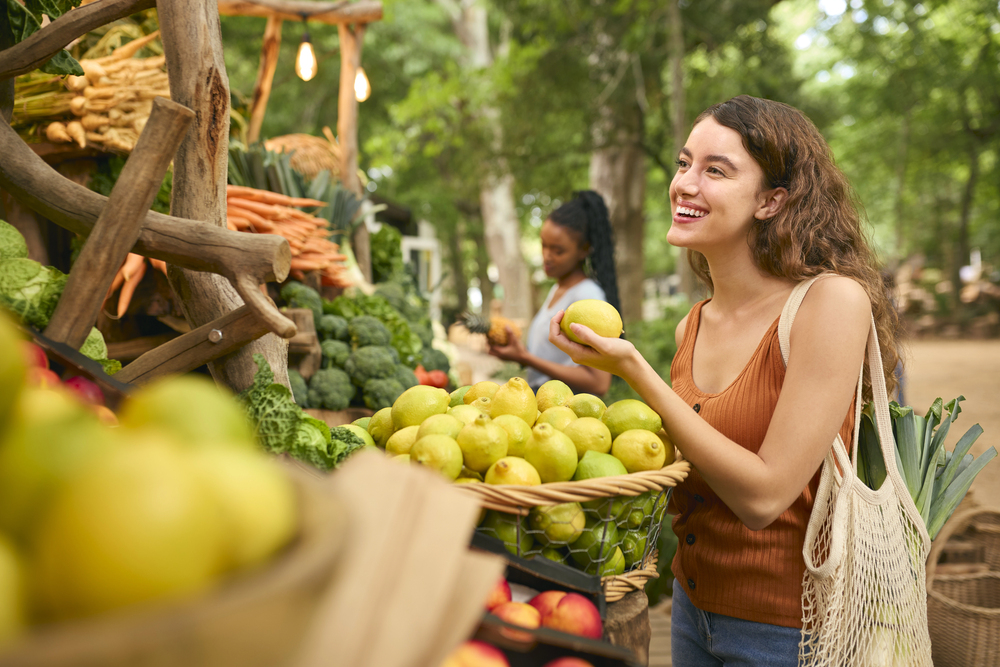

A trip to the supermarket has never felt more expensive. We all know the confused feeling: how could our bag carry so little food, yet cost so much? Once we could walk out having spent $20 with a full bag worth of groceries, but now the same shop costs us $50, or more.
Between rising grocery prices, busy schedules, growing kids with endless appetites and the pressure to keep healthy meals on the table, many of us are looking for practical ways to stretch every dollar further without sacrificing nutrition.
The good news? One of the most effective money-saving tools in our home may already be sitting in our kitchen.
Our fridge and freezer can play a major role in helping us reduce food waste, preserve nutrients, extend the life of fresh ingredients and make meal planning easier during a cost-of-living crunch.
According to Foodbank Australia, millions of tonnes of edible food are wasted every year across Australia, while research from OzHarvest suggests the average Australian household throws away thousands of dollars worth of food annually. Fresh produce is among the most commonly wasted grocery items, often spoiling before we have a chance to use it.
For busy parents, that can feel incredibly frustrating. Every bag of wilted spinach, forgotten leftovers container or mouldy punnet of berries represents money straight into the bin.
But small changes in the way we organise and store food can make a surprisingly big difference.
Here’s how we can make our fridge and freezer work smarter for our family.
Why Proper Food Storage Matters More Than Ever
Food storage is about far more than neat shelves or aesthetic containers seen on social media.
Proper refrigeration and freezing can help us:
- Reduce weekly grocery costs
- Minimise food waste
- Keep food fresher for longer
- Preserve nutrients and flavour
- Reduce stress during busy weeks
- Make healthy meals easier to prepare
- Support sustainable household habits
Research from CSIRO and Food Standards Australia New Zealand shows that temperature control and proper food storage play an important role in slowing bacterial growth, reducing spoilage and maintaining food quality.
For parents juggling school lunches, dinner prep, sports schedules and rising living costs, these simple systems can become genuine household game changers.
Crisper Drawers: Our Secret Weapon for Fresh Produce
The crisper drawers in our fridge are our secret weapon for keeping food fresh for longer.
These clever drawers have a different level of humidity from the rest of the fridge to extend the life of our fruits and veggies, making our healthy recipes stay fresher for longer. Check out the Westinghouse 619L French-Door Refrigerator (WHE6170BB), which has five defined settings and a convertible drawer that takes the headache out of the fridge and freezer shuffle.
The Science Behind Crisper Drawers
Many fruits and vegetables release a natural plant hormone called ethylene gas as they ripen. Some produce is highly sensitive to this gas, which causes food to spoil faster.
Humidity-controlled crisper drawers help regulate:
- Moisture levels
- Air circulation
- Ethylene exposure
This slows dehydration and decomposition.
Best foods for high-humidity drawers:
- Leafy greens
- Spinach
- Lettuce
- Herbs
- Broccoli
- Carrots
Best foods for low-humidity drawers:
- Apples
- Pears
- Avocados
- Stone fruit
Tip
We all know the frustration of buying fresh produce with the best intentions, only to discover it limp and unusable three days later. Using our crisper drawers properly can genuinely help extend the life of expensive produce and reduce those mid-week “we’ve got nothing fresh left” moments.
Store With Clear Containers
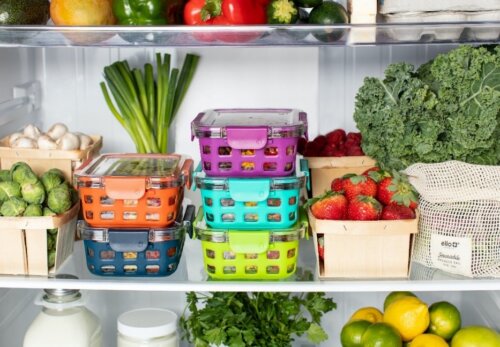
We all love peeking inside celebrity fridges that have rows and rows of perfectly stacked containers and condiments. But what’s the one thing they all have in common? Clear containers.
Not only do they look great, but grouping items together in clear storage containers also helps us save time when looking for ingredients we may think we don’t have. It also means we’ll save money at the supermarket because we won’t be re-purchasing what we already have on hand.
Practical and stylish.
Why Visibility Reduces Food Waste
Behavioural research suggests that when food is visible and easy to access, families are significantly more likely to use it before it spoils.
Out of sight often becomes out of mind, especially in busy households.
Transparent containers help us:
- Reduce duplicate purchases
- Encourage healthier snacking
- Simplify lunchbox prep
- Make leftovers easier to identify
- Create faster meal decisions
Create “Zones” Inside Our Fridge
Professional kitchens often organise ingredients into dedicated sections. We can use the same trick at home.
Try creating zones for:
- Lunchbox snacks
- Dairy
- Dinner ingredients
- Leftovers
- Breakfast foods
- Fruit and vegetables
This simple strategy can save us time during the chaos of weekday mornings.
Rotate Our Food Using the FIFO Method
While it’s tempting to shove our grocery haul in the fridge any which way it can fit, taking the time to audit and organise the contents can save us significantly.
Rotating our ingredients to store the newest items at the back will help us detect what needs to be used first to beat those pesky expiry dates. It also helps reduce food waste, which is always a win.
What Is FIFO?
FIFO stands for:
First In, First Out
It’s a food rotation system used by:
- Restaurants
- Cafes
- Commercial kitchens
- Supermarkets
The idea is simple:
Older food gets used before newer food.
Why It Works for Families
Busy households often lose track of:
- Half-open sauces
- Yoghurts
- Leftovers
- Fresh produce
- Cheese
- School snacks
Rotating items forward helps prevent forgotten food from expiring unnoticed.
Quick Family Habit
Before doing our weekly grocery shop:
- Check expiry dates
- Move older items forward
- Plan one “use it up” dinner night
- Freeze ingredients nearing expiry
These tiny habits can add up to substantial savings over the course of a year.
Store Freezer Food Vertically
And finally, a simple tip that will end the need to freeze our hands off when looking into the depths of the freezer.
Storing freezer food vertically makes it easier to see what we have. This is perfect for box foods such as pizzas and ready meals and takes away the hassle of fitting around ice-cream containers and other odd-shaped frozen packaging.
Why Vertical Freezer Storage Works
Vertical storage:
- Maximises space
- Improves visibility
- Prevents forgotten food
- Reduces overbuying
- Makes meal planning easier
It also helps improve airflow inside the freezer, which supports more consistent freezing temperatures.
Parent Meal Prep Hack
Freezing meals flat in reusable zip-lock bags before storing vertically can save enormous amounts of space.
Perfect for:
- Pasta sauces
- Soups
- Curries
- Mince mixtures
- Smoothie packs
For busy parents, having freezer meals ready to go can be the difference between ordering expensive takeaway and getting dinner on the table quickly.
The Best Spots in Our Fridge for Different Foods
Not all areas of our fridge maintain the same temperature.
Understanding where food belongs can help us extend freshness and improve food safety.
| Food | Best Storage Spot |
|---|---|
| Milk | Back shelf |
| Eggs | Main shelf |
| Raw meat | Bottom shelf |
| Leftovers | Middle shelf |
| Herbs | Crisper drawer |
| Cheese | Vegetable drawer |
| Drinks | Door shelves |
Important Safety Tip
According to Food Standards Australia New Zealand, raw meat should always be stored on the bottom shelf to reduce the risk of cross-contamination from drips.
Foods We Should Never Store in the Fridge
Many of us unknowingly refrigerate foods that actually spoil faster in cold conditions.
Foods best kept out of the fridge:
- Tomatoes
- Potatoes
- Onions
- Garlic
- Bananas
- Whole pumpkins
Cold temperatures can impact flavour, texture and moisture levels.
For example:
- Tomatoes can become mealy
- Potatoes may turn grainy
- Bananas darken faster
Frozen Food Can Still Be Nutritious
Many of us assume fresh produce is always healthier than frozen, but research from CSIRO suggests frozen vegetables can retain significant nutritional value because they are often snap-frozen shortly after harvesting.
Frozen foods can be:
- Budget friendly
- Convenient
- Nutrient rich
- Long lasting
Keeping frozen staples on hand can make healthy meals easier during busy weeks.
Great freezer staples include:
- Frozen berries
- Peas
- Mixed vegetables
- Spinach
- Fish fillets
- Wholemeal bread
Common Food Storage Mistakes Families Make
Even well-meaning households can accidentally shorten the life of our groceries.
Common mistakes include:
- Overfilling the fridge
- Storing milk in the fridge door
- Washing berries too early
- Forgetting leftovers
- Keeping herbs dry and uncovered
- Freezing food without labels
- Leaving hot food out too long
Small adjustments can dramatically improve food longevity.
The Ideal Fridge and Freezer Temperatures
Temperature plays a huge role in food preservation and safety.
According to Food Standards Australia New Zealand:
- Fridges should be kept at 5°C or below
- Freezers should be maintained at around -18°C
Even a few degrees difference can speed up bacterial growth and spoilage.
Quick Tip
A simple fridge thermometer can help us monitor temperature accuracy, especially during hot Australian summers.
How Smarter Food Storage Supports Sustainability
Reducing food waste doesn’t just help our grocery budget — it also helps the environment.
Research from Planet Ark and Sustainability Victoria highlights how food waste contributes significantly to landfill and greenhouse gas emissions.
Teaching our children simple food-saving habits can also encourage:
- Sustainability awareness
- Resource appreciation
- Healthier eating habits
- Smarter household routines
Even small household changes can collectively make a meaningful environmental impact.
Quick Fridge and Freezer Cheat Sheet
To keep food fresher for longer:
- Store herbs in water like flowers
- Keep berries dry until eating
- Freeze bread before it goes stale
- Label leftovers with dates
- Use older produce first
- Keep your fridge organised weekly
- Avoid overcrowding shelves
- Batch cook and freeze meals
- Store snacks where kids can see them
- Check expiry dates before shopping
The Bottom Line
During a cost-of-living crunch, smarter food storage is one of the easiest ways Australian families can take back control of grocery spending without sacrificing healthy meals.
The reality is most of us already have the tools we need sitting in our kitchen — we just may not be using them to their full potential.
By making a few simple changes to the way we organise our fridge and freezer, we can:
- Reduce food waste
- Save money
- Preserve nutrients
- Simplify meal preparation
- Lower household stress
- Create healthier family routines
And when every grocery shop feels more expensive than the last, those small wins can make a surprisingly big difference.
Australian References and Sources
- Foodbank Australia
- OzHarvest
- CSIRO
- Food Standards Australia New Zealand
- Planet Ark
- Sustainability Victoria
- Australian Bureau of Statistics