
Kiddipedia
Father’s Day is more than just a date on the calendar; it’s a chance to pause and reflect on the irreplaceable role fathers and father figures play in their children’s lives. It’s the shared smiles over breakfast, the comforting presence during bedtime stories, and the unspoken understanding in a glance. These seemingly small moments are the threads that weave the fabric of a child’s emotional and psychological well-being.
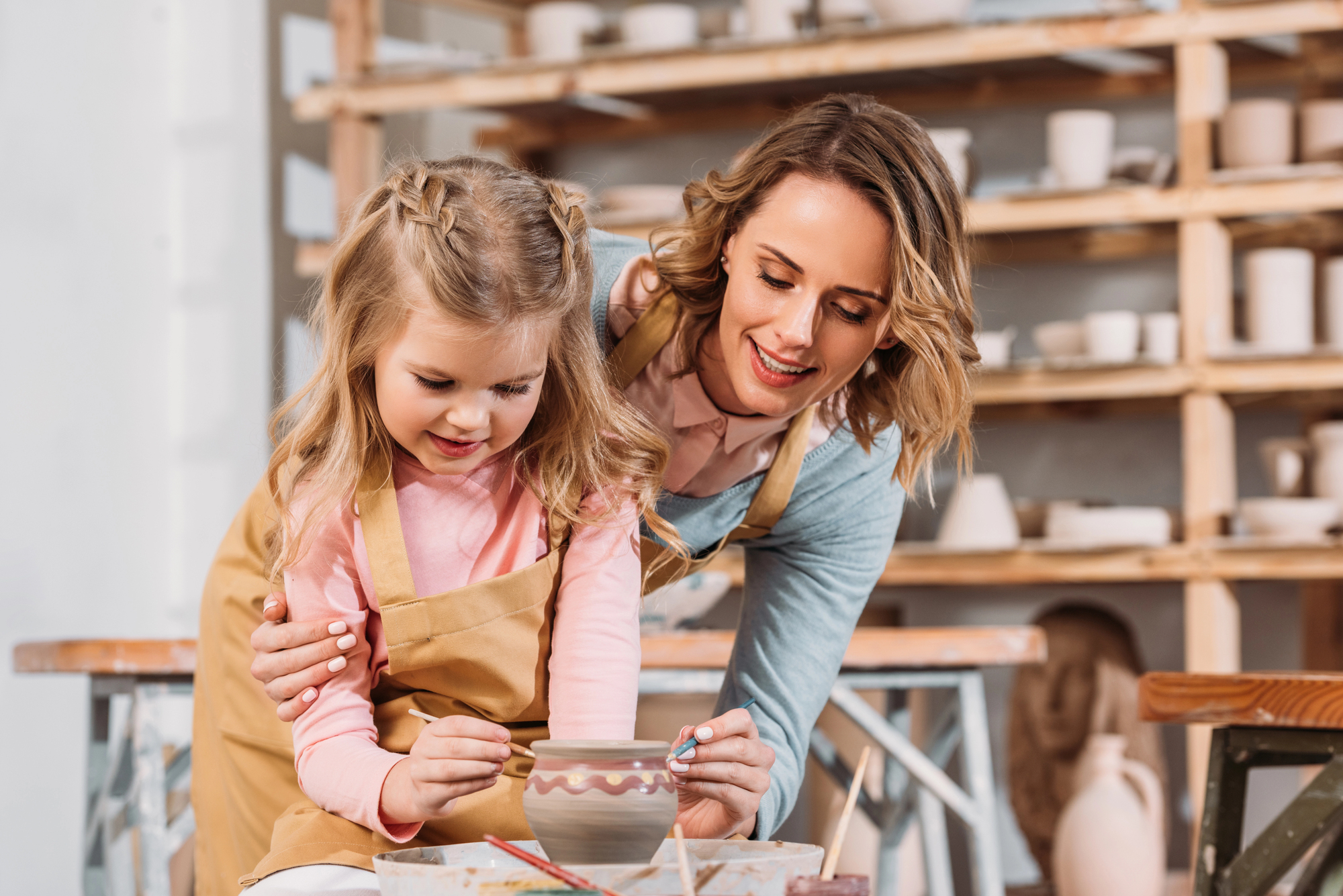
It’s not about socks, BBQs, or a quick “thanks, Dad.” At its heart, Father’s Day is about celebrating the dad-child bond, one of the most powerful and underrated forces in child development. Science is catching up to what children instinctively know: dad time is brain food, heart medicine, and confidence fuel. Whether it’s rough-and-tumble play, heart-to-heart chats, or building something side by side, these moments do more than make memories—they wire resilience, empathy, and identity deep into a child’s story.
The Psychology of Dad Moments
🧠 Brain Builders: Neuroscience shows that when dads engage in playful, unpredictable activities, children’s prefrontal cortex lights up—the part of the brain responsible for problem-solving, self-regulation, and adaptability 1. Those spontaneous moments of fun are not just giggles—they are brain workouts that shape a child’s ability to think critically and manage emotions.
💜 Attachment Matters: Early research focused on mother–child bonds, but modern studies reveal that secure attachments with fathers uniquely foster confidence, curiosity, and willingness to explore. Dads who are emotionally present give children a safe base to take risks, explore their world, and learn that it’s okay to stumble as they grow.
💪 The Confidence Effect: Children with actively engaged fathers show remarkable benefits: daughters often display higher self-esteem and lower rates of depression, while sons learn emotional literacy and healthy masculinity when fathers model vulnerability and empathy 2.
🌍 Beyond Biology: Father figures aren’t limited to biological dads. Grandfathers, uncles, stepdads, mentors—all can serve as anchors of stability and inspiration. What truly matters is presence, consistency, and emotional engagement, not perfection.
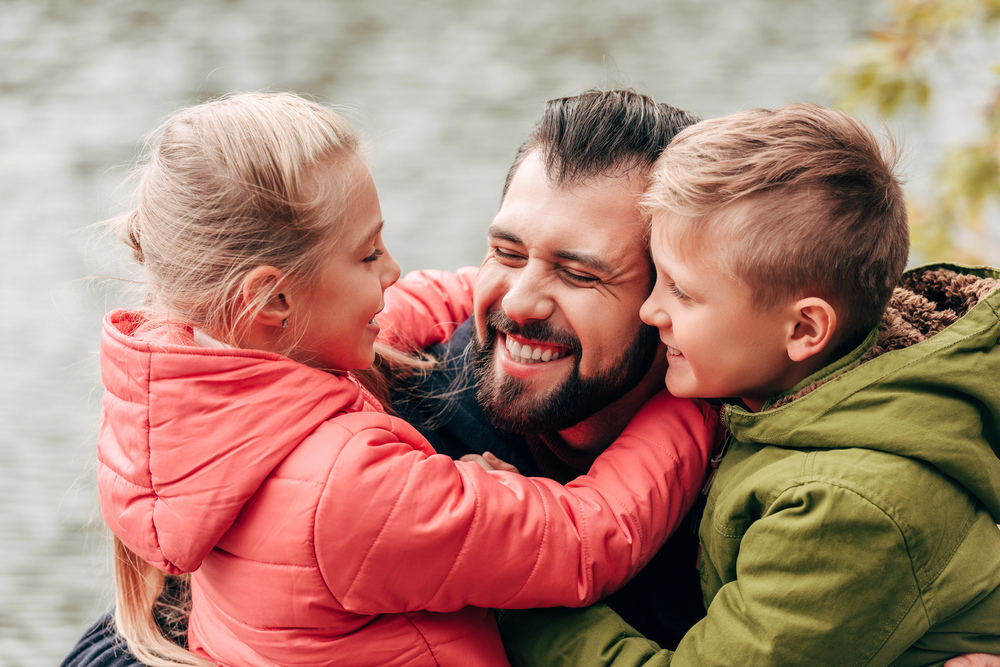
Daddy-Daughter and Daddy-Son Bonds 💜💙
💜 Daddy-Daughter Bonds:
Fathers play a transformative role in shaping their daughters’ confidence, self-esteem, and resilience. Girls with supportive dads are more likely to embrace healthy relationships, set boundaries, and pursue leadership roles. Australian psychologist Steve Biddulph highlights that strong father–daughter closeness fosters ambition, courage, and self-belief.
Everyday interactions aren’t just fleeting moments—they are the building blocks of curiosity, courage, and emotional intelligence. Examples include:
-
Bedtime chats that encourage openness and trust 🛏️💬
-
Shared science experiments or crafts that spark curiosity 🔬🎨
-
Weekend adventures like bike rides, hikes, or treasure hunts 🚴♀️🌿
-
Laughing and playing together, strengthening emotional connection 😄💞
💙 Daddy-Son Bonds:
Boys often mirror the men in their lives, making fathers’ influence profoundly shaping. Positive, affectionate fathering teaches sons to:
-
Express emotions healthily 😌❤️
-
Develop empathy and emotional literacy 🤝💙
-
Understand modern masculinity, where vulnerability is a strength 💪💛
Research from the Ten to Men Study shows that sons with strong father-son bonds are 48% less likely to perpetrate violence as adults 3. When fathers balance strength with kindness, sons learn that vulnerability and connection are powerful, not weaknesses.
Examples of impactful father-son moments include:
-
Teaching a new skill like cooking, building, or sports 🏀🍳🛠️
-
Honest conversations about feelings and challenges 🗣️💬
-
Shared adventures or playful competitions that build trust and confidence 🏞️🎯
💡 The Takeaway:
Whether it’s helping a daughter ride her bike or baking with a son while discussing emotions, these moments are lasting emotional scaffolding that shapes children’s growth, self-esteem, and relationships for life.
Australian Research in Action
Associate Professor Richard Fletcher and the Fathers and Families Research Program (F&FRP) at the University of Newcastle emphasise that children with engaged fathers show better emotional regulation, academic achievement, and social skills. Programs like the Healthy Dads, Healthy Kids Program highlight that shared physical activity boosts health and strengthens emotional bonds 2.
The Australian Institute of Family Studies (AIFS) further confirms that warm, consistent father involvement acts as a protective factor, supporting long-term wellbeing and reducing risky behaviours 4.
The Legacy of Fatherhood
Children may not remember the gifts, but they remember Dad’s laugh, Dad’s hand, Dad’s time. Research from Deakin University shows that fathers’ mental health directly influences children’s emotional outcomes, highlighting the importance of fathers’ wellbeing for the whole family 5.
Matthew Sanders, founder of Australia’s Triple P – Positive Parenting Program, reinforces that the best gift fathers can give is consistent involvement and emotional connection. Every moment—whether building a cubby, cooking a meal, or sharing a quiet talk—is shaping the person your child becomes.
✨ This Father’s Day, celebrate fathers and father figures not just with gifts, but with moments that matter. Your presence is transformational.
Citations / Live Links
-
Murdoch Children’s Research Institute – Brain Development: https://www.mcri.edu.au/
-
University of Newcastle – Fathers and Families Research Program & Healthy Dads, Healthy Kids: https://www.newcastle.edu.au/highlights/research/f/a-helping-hand-for-fathers | https://www.newcastle.edu.au/research/centre/active-living-and-learning/research/families/healthy-dads-healthy-kids
-
Ten to Men Study via AIFS: https://www.news.com.au/lifestyle/real-life/news-life/1-in-3-men-admit-to-committing-intimate-partner-violence-new-national-study-finds/news-story/85717623594f6e3945194ceddb5c8ce5
-
Australian Institute of Family Studies – Father Engagement & Child Wellbeing: https://aifs.gov.au/resources/practice-guides/how-fathers-positive-engagement-and-caregiving-can-support-child-mental
-
Deakin University Study on Paternal Mental Health (Herald Sun summary): https://www.heraldsun.com.au/news/victoria/fathers-mental-health-study/news-story/