
kiddi
Choosing the best kindergarten is one of the “parenting milestones” that is really daunting. On the one hand, it is necessary to find your child a place where they will feel secure. On the other hand, it is equally important that you find your child a place that will permit their inquisitiveness and love for learning.
The balance between a cozy climate and an exceptional education is the key to a joyful transition to these important early school years.
1. Consider Your Child’s Learning Style and Interests
Why It Matters
All children have a special way of receiving the world around them, and each is a little individual in his or her own right. Some children may be “doers,” that is, they need to touch things and be able to move around (kinesthetic), whereas others may be butterflies at a party.
The Australian Early Development Census categorises the different domains of development in young children, which encompass social competence as well as emotional maturity. A specially designed kindergarten program based on the curriculum in accordance with different styles of learning means that your child will be kept engaged and interested in the learning process, as opposed to frustrated, from day one.
How to Identify Your Child’s Needs
Take a little time to watch your child’s behaviour at home. Do they like to build blocks or do they like to make stories and draw? When you visit this center, don’t be afraid to ask them how they do this. A really good educator can explain to you how they use individualisation to make sure all children are kept interested and active according to individual personality traits.
2. Check the Kindergarten’s Safety and Child Protection Policies
Safety Standards to Look For
Having peace of mind is the key when your child is saying goodbye at the gate. You should look for services that take strict measures at all times according to national regulations set by ACECQA. This includes ensuring proper staff-to-child ratios, as every kid needs to be treated with the attention they deserve. At this time, you should look out for things like child-proofing, entry points, and equipment maintenance, as it is all about having a “safety-first” attitude and letting kids be kids!
Safeguarding Practices
It is also important to check the “behind-the-scenes” safety. For example, you could ask if the staff are trained in child protection practices and first aid. Centres that are safe will have policies in place that parents will be made aware of in the event of any occurrence. The data provided by the Australian Government’s “Early Childhood Data Hub” reveals that quality centres begin with a robust workforce; hence, seeing a staff that exudes self-confidence is a good sign that your child is in good hands
3. Evaluate Curriculum and Learning Approaches
Play-Based vs Structured Learning
Most people believe that children learn best when they are unaware that they are learning in the first place. Play learning is not simply the same as free play; children learn how to do things in pairs through play learning. This learning is more important today because Victoria University research indicates that there are more developmental vulnerabilities emerging in the emotional maturity of the child.
Early Literacy, Numeracy, and School Readiness
While it is acknowledged that play forms a significant element of children’s learning, a good program will nevertheless have some basis of literacy and numeracy skills. These are termed school readiness programs to prepare children for the transition between kindergarten and Prep. In order to find some good programs within your area, it may be worth considering enrolling your children in a good Belmont kindergarten to ensure that they are prepared for their school days.
4. Observe the Learning Environment and Facilities
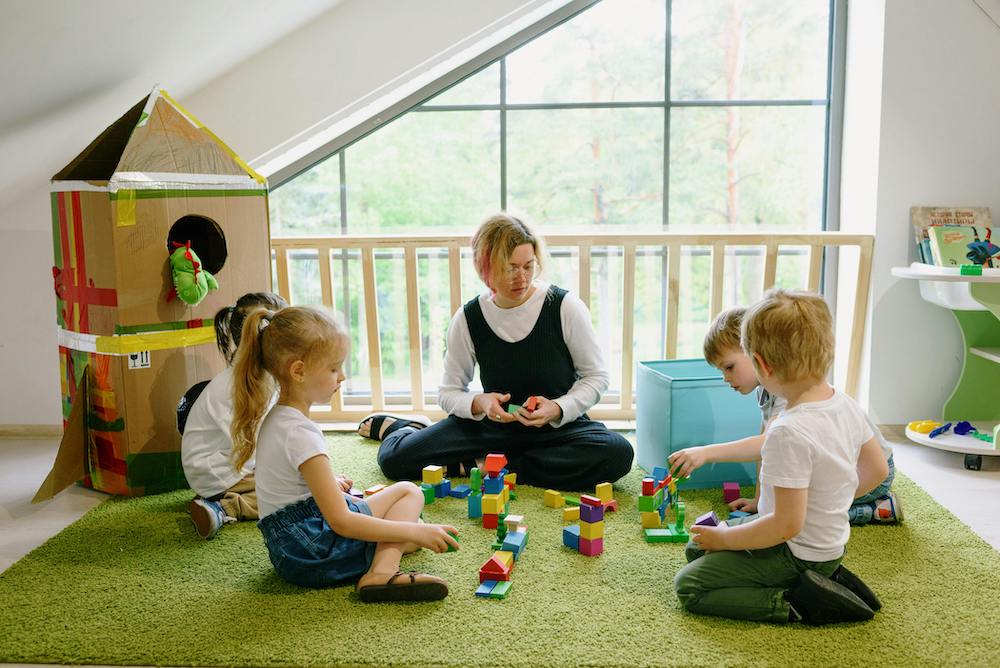
The physical space is considered to be a third teacher for your child. Try to find a school with ample use of natural light and pleasant indoor spaces. But it’s not just about indoors; outdoors is just as important as inside the classroom. Good school facilities include safe and suitable toys and materials to stimulate and encourage children’s exploration.
A veggie patch or a well-stocked sand pit may be what your little one needs to stimulate movement and interaction with nature. Nice outdoor spaces can keep children busy and help improve their gross motor skills in an open environment.
5. Engage with Staff and Assess Communication
When you visit, what is your impression of how the teacher relates to the children? Are they on their level? Do they have a warm, inviting tone? The relationship between the educator and your child is what a great kindergarten experience is all about.
Then, think about how they communicate with you. It could be a special app, it could be email, it could be a quick five-minute talk as you pick up your child, but it is incredibly important that you feel as though you’re on a team with them, working together for your child’s successes in little ways.
6. Seek Reviews and Recommendations from Other Parents
While they look great on paper, nothing is more reassuring than the genuine opinions of another parent who has been in your shoes. Try looking on some of the local parenting forums, or check out the park down the street. Word of mouth is as good as any way of gathering information, and it can provide some great insider knowledge, not always available on the internet (such as the attitude of the staff to a first day of term meltdown, or the general vibe of the place!).
With over 50% of Aussie kids using early childhood service centers, as revealed in the 2025 project by the Productivity Commission, there is no shortage of people out there who are keen to tell you all about it.
7. Consider Location, Schedule, and Affordability
But, of course, being realistic, just like in all things, your “perfect” kindergarten has to be convenient in terms of your daily life, i.e., is it along the way to your workplace or easy to get to from home. Another factor, of course, for most of us, would be the cost. In the latest flurry of policy reviews, which has seen Australia grappling with various commissions and reports.
It includes the Productivity Commission inquiry into Universal Early Education in 2024, there has been an emphasis on the burgeoning trend relating to better and better equity of access, therefore, it may be worthwhile speaking to a kindy regarding fees and government subsidization and how it fits within your current financial scope.
Conclusion and Next Steps
It’s going to take a little bit of research to determine what fits best for your family, but a whole lot of heart. By placing these three priorities in the forefront, you are giving your child a great opportunity in starting their educational path.
Why not book a tour today? It’s visiting a kindergarten setting like Belmont that is going to provide you with the feeling you need to take a leap of faith and make the best decision for your small learner.