
Kiddipedia
10 Evidence-Based Benefits That Support Cognitive Growth, Emotional Well-being, and Creativity
If you’ve ever observed a baby exploring objects with their mouth or a toddler joyfully smearing food across their tray, you’ve witnessed sensory play in action. While it might appear messy or chaotic, these early interactions with textures, sounds, and movements are foundational to learning. Sensory play is more than a pastime; it is a key mechanism through which children build cognitive, emotional, and physical understanding of their world. Each squish, splash, and crinkle is a building block for how they process stimuli, make decisions, and regulate their emotions.
At its essence, sensory play encompasses activities that engage a child’s five senses—sight, sound, touch, taste, and smell. But it also includes two additional senses: proprioception (awareness of body position and movement) and vestibular (balance and spatial orientation). Children naturally gravitate towards sensory experiences, and this desire to explore isn’t just about fun—it’s how they make sense of the world around them. Research underscores that such play is not merely entertaining but pivotal in supporting neural development, fine motor skills, emotional regulation, and more.
Here are 10 compelling, research-backed reasons highlighting the significance of sensory play in early childhood.
1. Enhances Early Brain Development
From birth, infants are attuned to sensory inputs. They turn towards sounds, track moving objects, and grasp at different textures, showcasing early sensory exploration. These seemingly small behaviors are critical signs of neurological growth and development.
Neuroscientific studies indicate that repetitive sensory experiences fortify neural connections in the brain, especially during the first three years—a period marked by rapid brain development. Each new texture touched or sound heard contributes to a child’s sensory map of the world. As children mature, their brains integrate multiple senses simultaneously, laying the groundwork for more complex learning. Engaging in sensory play enhances synaptic plasticity—the brain’s ability to adapt and reorganize—which is crucial for cognitive flexibility, memory formation, and emotional resilience.
2. Develops Fine Motor Skills and Coordination
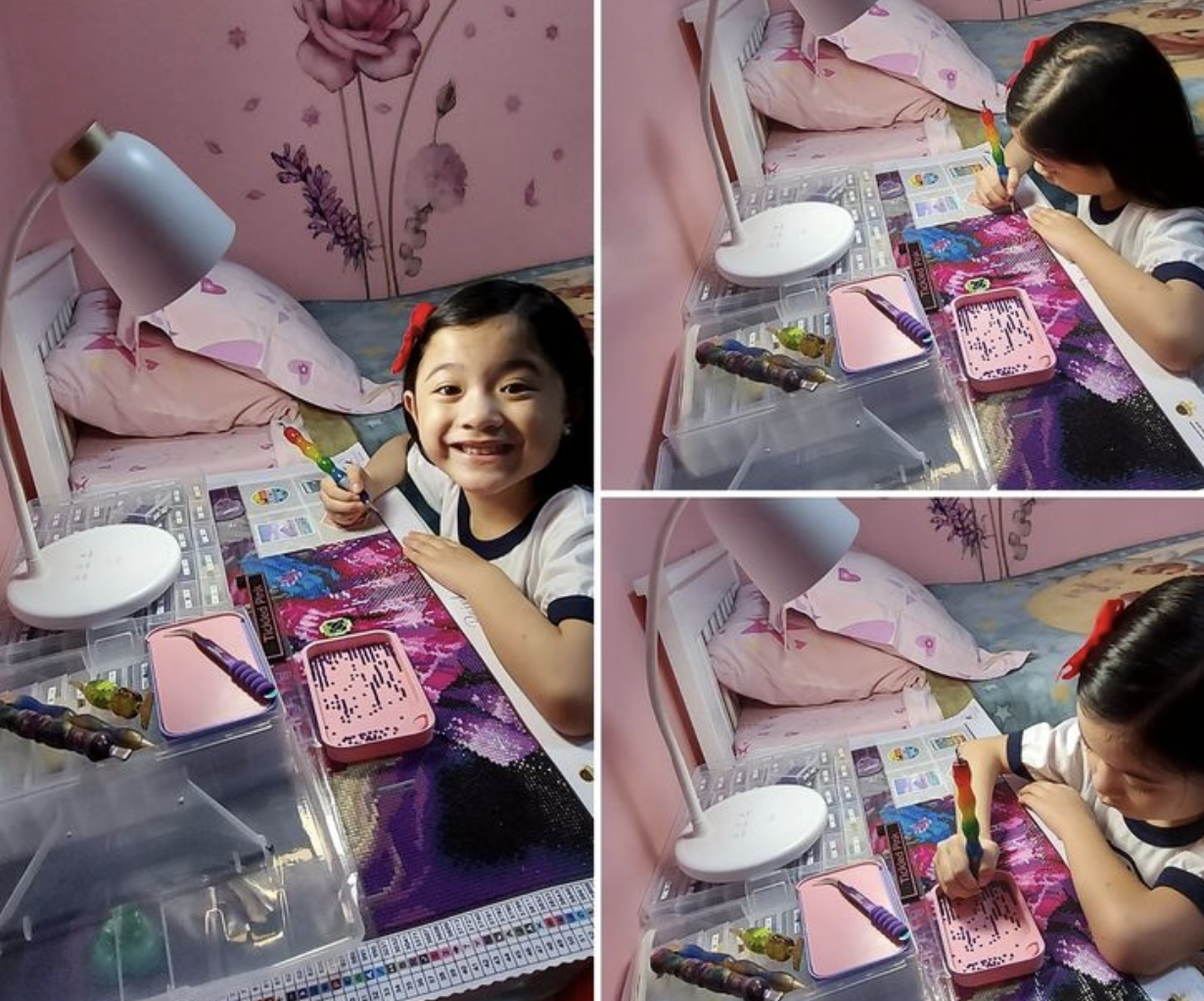
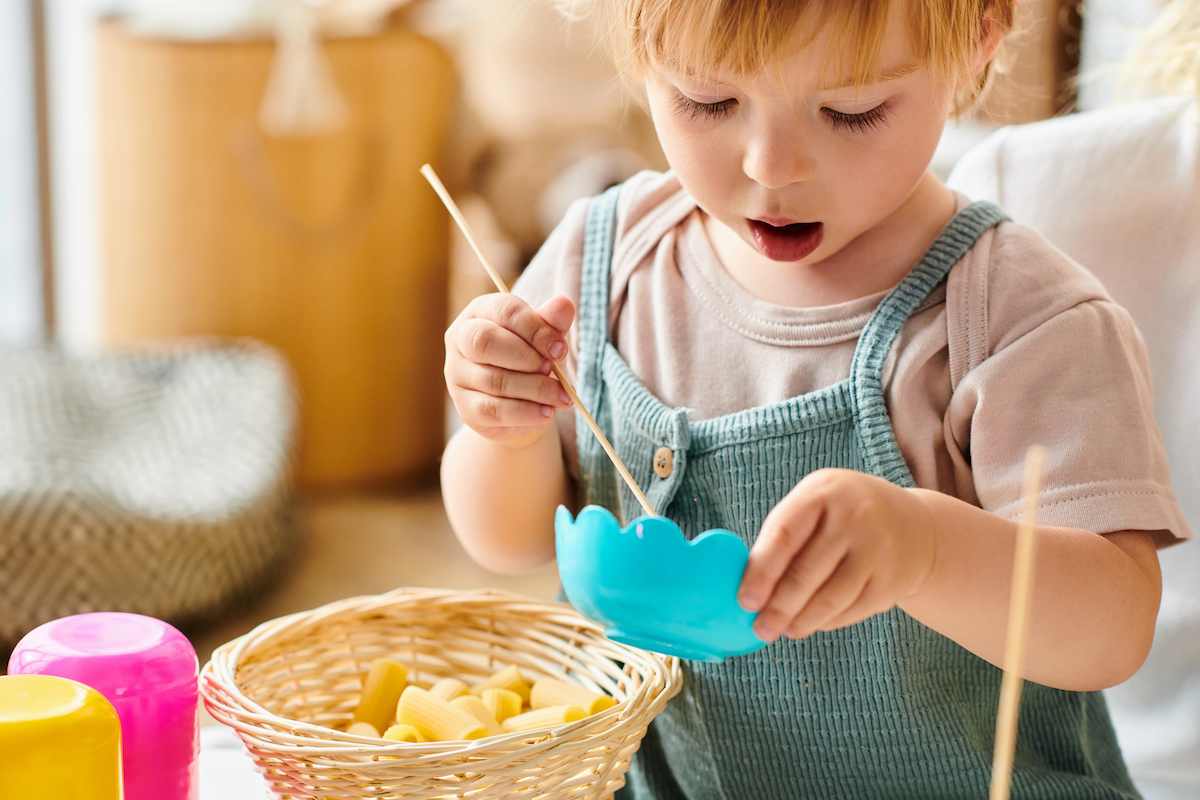
Sensory activities often involve actions like squeezing, pouring, scooping, threading, or manipulating small items. These tasks refine fine motor control, strengthening the small muscles in the hands, wrists, and fingers. Such development is essential for later tasks like handwriting, buttoning clothes, and using tools effectively.
By engaging in activities that require precise hand-eye coordination—such as picking up beads, playing with kinetic sand, or using tweezers to transfer small objects—children develop dexterity and control. These motor skills are foundational not only for academic success but for daily living activities, contributing to a child’s growing independence and confidence.
3. Expands Language and Vocabulary
Children acquire language by connecting sensory experiences with descriptive words. Sensory play offers tangible, real-world experiences for children to describe: “sticky,” “squishy,” “cold,” and “crunchy” are just the beginning. This not only enriches vocabulary but also sharpens communication skills.
Through guided interaction during sensory activities, adults can model language, ask open-ended questions, and encourage children to express their thoughts. This dialogic interaction lays the foundation for expressive and receptive language skills, critical components of literacy. The more varied the sensory experiences, the broader the child’s conceptual understanding and ability to articulate it.
4. Encourages Curiosity and Problem-Solving
Sensory play naturally invites experimentation. What happens when you add water to dry sand? How do different materials respond to pressure, heat, or motion? These open-ended questions lead to discovery through hands-on learning.
As children engage in this type of cause-and-effect exploration, they begin to form hypotheses, test theories, and refine their understanding—all foundational scientific processes. This strengthens their ability to engage in independent learning and builds persistence, flexibility, and confidence in problem-solving. Curiosity, once nurtured through playful discovery, becomes a lifelong driver of intellectual engagement.
5. Stimulates Imagination and Creativity
Materials like playdough, coloured rice, fabric scraps, or finger paint are open-ended, allowing children to invent, create, and pretend. This kind of unstructured play nurtures the imagination and encourages divergent thinking—the ability to generate multiple ideas and solutions.
Children often use sensory materials to create stories or role-play scenarios, blending cognitive, emotional, and social development. When they mold a lump of dough into a pizza or mix leaves and twigs to make “soup,” they are developing narrative thinking and creativity. These skills are deeply linked to problem-solving and innovation later in life.
6. Regulates Emotions and Calms the Nervous System
Children frequently encounter environments or situations that lead to sensory overload. Loud shopping centres, crowded classrooms, or unfamiliar routines can be overwhelming. Sensory play offers a way for children to self-regulate by providing predictable and calming input.
Activities that involve deep pressure and proprioceptive input—such as squeezing playdough, carrying heavy objects, or rolling on the floor—activate the parasympathetic nervous system. This helps reduce cortisol levels and promotes a sense of safety and calm. Sensory play, particularly when repetitive or rhythmic, can be especially helpful for children with anxiety, ADHD, or sensory processing challenges.
7. Improves Focus and Attention Span
When children are engaged in sensory-rich activities, they often enter a state of flow—deep, focused engagement. These immersive moments help train the brain to concentrate for longer periods, an essential skill for school readiness and academic success.
Sensory input can be grounding. Children who struggle with distractibility or restlessness often benefit from tactile or auditory activities that offer just the right amount of stimulation to keep them centered. Regular exposure to well-balanced sensory play can build endurance for attention and task completion over time.
Source: Early Childhood Australia – Sensory Playlearninghub.earlychildhoodaustralia.org.au
8. Supports Neurodivergent Children, Including Autism
Children on the autism spectrum often experience the world through a different sensory lens. Some may be hypersensitive to sound or touch, while others may seek out intense sensory input. For these children, sensory play is not just beneficial—it’s essential.
Structured and predictable sensory activities can help neurodivergent children build tolerance for new stimuli, reduce anxiety, and improve social participation. For instance, oral sensory tools or textured materials can provide soothing input that helps them feel more in control. When used consistently and thoughtfully, sensory play becomes a bridge between discomfort and understanding.
9. Fosters Social and Emotional Learning
While sensory play can be a solitary activity, it also offers powerful opportunities for social learning. Collaborative sensory experiences—like group art projects or water play—teach children how to share materials, take turns, and communicate needs and ideas.
These interactions build empathy, cooperation, and emotional resilience. When children navigate social dynamics in a sensory-rich setting, they also learn how to manage frustration, resolve conflicts, and celebrate shared accomplishments. Over time, this helps develop strong interpersonal skills and emotional intelligence.
10. Supports Learning Across All Environments
Sensory play doesn’t require expensive materials or elaborate setups. Simple activities like sorting buttons, scooping
Sensory play doesn’t require expensive materials or elaborate setups. Simple activities like sorting buttons, scooping rice, or exploring nature with bare feet can deliver profound developmental benefits. Whether at home, in a classroom, or outdoors, sensory experiences can be tailored to suit every child and setting.
What matters most is providing consistent, diverse opportunities for sensory exploration. The richness of these experiences supports growth across multiple developmental domains, including physical, cognitive, social, and emotional. Sensory play, in its many forms, prepares children not just for school but for life itself.
Final Thoughts: Keep It Simple, Make It Meaningful
You don’t need a Pinterest-worthy setup to engage your child in valuable sensory play. Follow their lead. Tune into what textures, sounds, or actions spark their joy or calm their nerves. Rotate materials and settings. Most importantly, stay present as they explore. Sensory play doesn’t just benefit your child—it offers a window into their world, and a precious opportunity to bond through shared experience.
Sensory play isn’t just a fun distraction. It’s a vital, evidence-based approach to nurturing the whole child, helping them become confident, curious, and capable individuals ready to thrive in their environment.
Want more sensory play ideas and guidance? Visit trusted resources like:
- Raising Children Network
- Early Childhood Australia
- NDIS Research and Evaluation
- The Sector – Early Education News
These platforms offer localised, research-backed advice from educators, psychologists, occupational therapists, and family health experts.
Let’s play lead the way!