
Kiddipedia
If you ask most parents what worries them about their child’s education, the answers are usually familiar: reading levels, maths confidence, friendships, or perhaps too much screen time.
But a growing body of Australian research suggests something deeper may be shaping children’s ability to learn and thrive at school, their emotional wellbeing and their experience of bullying.
By the time many parents realise something is wrong, their child may have been struggling for months.
Perhaps it starts subtly.
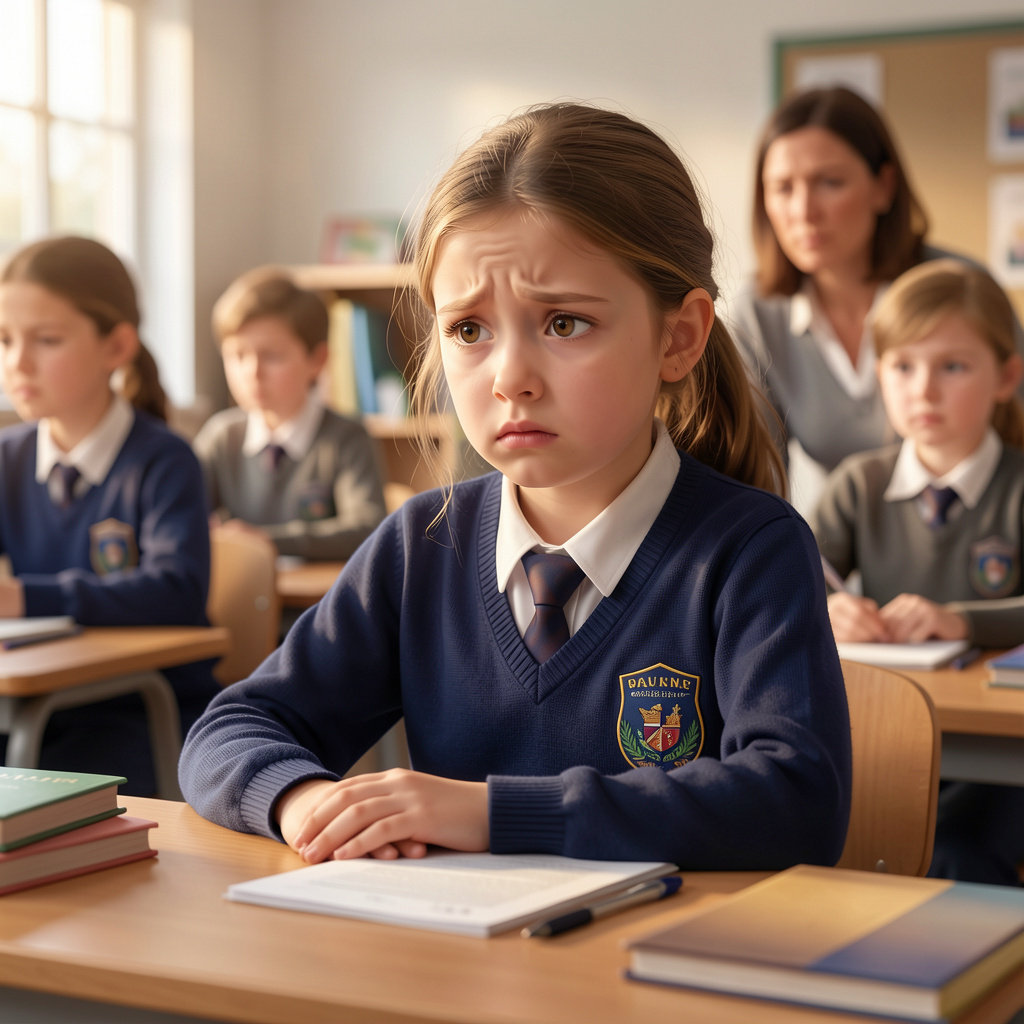
Your child, who once loved school, begins asking to stay home. Homework takes longer than usual. Mornings become tense. Friendships shift. Small things suddenly feel overwhelming.
At first, it might seem like a normal phase of growing up.
But for many families, these small signals are the first signs of something deeper: bullying and emotional distress that can quietly reshape how a child experiences school, learning and themselves.
New Australian research is revealing something many parents have long suspected — bullying is not simply an unpleasant rite of passage. It can have measurable effects on children’s emotional well-being, brain development and academic progress.
For parents, this research offers both a warning and a pathway forward. Understanding what is happening beneath the surface can help families recognise when a child might be struggling and provide the support they need to regain confidence and engagement with school.
What the Latest Research Tells Us
One of the most detailed insights into children’s wellbeing in Australia comes from the Childhood to Adolescence Transition Study (CATS), conducted by the Murdoch Children’s Research Institute (MCRI) in Melbourne.
The study followed more than 1,200 students across Melbourne as they moved from childhood into adolescence. Its findings, published in the Student Wellbeing, Engagement and Learning across the Middle Years report for the Federal Department of Education, reveal a troubling pattern emerging in the late primary years[1].
In Years 3 to 5:
-
Around 20% of students experience persistent emotional problems, such as anxiety or depression
-
20% experience behavioural difficulties
-
Approximately 10% report low overall wellbeing
-
More than 20% experience repeated bullying across multiple years[1]
In practical terms, this means that almost every primary school classroom in Australia is likely to contain at least one child facing persistent bullying or emotional difficulties.
Professor George Patton, Director of the Centre for Adolescent Health at MCRI, explains the real-world impact:
“Students experiencing emotional or behavioural difficulties fall about 12 months behind their peers in numeracy between Years 3 and 7, with similar though smaller trends in reading.”[1]
For many parents, the connection between emotional well-being and academic progress can be surprising — yet researchers now stress that the two are inseparable. Emotional struggles are not separate from learning; they directly affect how children engage, process information, and thrive at school.
A National Snapshot: Bullying in Australian Schools
The findings from the Murdoch Children’s Research Institute are far from isolated. Across Australia, multiple national datasets point to the same troubling trend: bullying remains one of the most widespread challenges affecting children’s wellbeing and education.
According to the Australian Institute of Health and Welfare, around one in four Australian students report being bullied regularly during their school years[2].
Data from the Australian Bureau of Statistics and the Longitudinal Study of Australian Children show that bullying tends to peak during the late primary and early secondary years, precisely when children are navigating rapid emotional and neurological development[3].
Other key findings from Australian research include:
-
Bullying is most common between ages 10 and 14[4]
-
Cyberbullying affects 14–20% of adolescents, often intensifying the emotional impact[5]
-
Students who experience persistent bullying are more likely to disengage from school[6]
For researchers studying childhood development, the pattern is clear: bullying often emerges during the same developmental window when the brain is undergoing profound change.
As parents, it’s easy to assume that what happens on the playground is “just kids being kids.” But the evidence tells us otherwise: bullying is a serious stressor with measurable effects on emotional wellbeing, social development, and learning outcomes.
Why Emotional Wellbeing Matters for Learning
Think of learning as a full-body experience. A child’s brain, emotions, and environment all work together to support focus, curiosity, and persistence.
When children feel safe, supported, and confident, they are more likely to engage in learning, take intellectual risks, and persist through challenges. Conversely, anxiety, stress, or social difficulties can make it harder for them to concentrate, retain information, or participate fully in class.
Australian data highlights just how important this is: emotional wellbeing in childhood strongly predicts later school engagement and mental health outcomes[2]. Researchers increasingly recognise that the classroom environment — including relationships with peers — plays a major role in shaping a child’s wellbeing.
When bullying enters the picture, its effects extend far beyond playground conflicts, influencing both emotional health and academic progress.
Bullying Is More Common Than Many Parents Realise
Bullying remains one of the most widespread challenges facing Australian students.
National data suggests that around one in four Australian students experience bullying at some point during their school years, with many cases going unreported.[3]
For decades, bullying was largely treated as a behavioural issue.
Today, neuroscience research is revealing something more complex.
Repeated bullying activates the body’s stress response system, sometimes called the “fight-or-flight” response. Prolonged exposure to stress hormones can interfere with cognitive and emotional functioning, making everyday learning, social interactions, and participation in class far more challenging[7].
We now understand that bullying isn’t just emotionally hurtful, it triggers a biological stress response. When a child perceives threat or humiliation, the brain releases stress hormones like cortisol and adrenaline. In short bursts, these hormones are useful, preparing the body to respond to danger. But when bullying is ongoing, the stress becomes chronic, and this has measurable effects on learning.
Long-term stress affects brain areas responsible for:
-
Emotional regulation
-
Attention and concentration
-
Memory formation
-
Decision-making[7]
These functions are critical for learning.
In other words, a child who feels unsafe socially may struggle academically not because they lack ability, but because their brain is operating in stress-survival mode.
What Bullying Does to the Brain
For decades, bullying was largely treated as a behavioural issue.
Today, neuroscience research is revealing something more complex.
Repeated bullying activates the body’s stress response system, sometimes called the “fight-or-flight” response.
When a child perceives social threat or humiliation, the brain signals the release of stress hormones such as cortisol and adrenaline.
These chemicals are useful in short bursts — they prepare the body to respond to danger.
But when the stress response is triggered repeatedly, as can occur with ongoing bullying, the effects can become chronic.
Research shows prolonged exposure to stress hormones can influence areas of the brain responsible for:
-
emotional regulation
-
attention and concentration
-
memory formation
-
decision-making[4]
These functions are critical for learning.
In other words, when a child struggles academically after being bullied, it’s not laziness or lack of skill — their brain is operating in survival mode.
The Adolescent Brain: A Sensitive Window
The impact of bullying can become even more significant during adolescence.
Adolescence is a time of incredible brain growth. The regions responsible for social understanding, emotional regulation, and self-identity are still maturing.
During this time, the brain undergoes significant restructuring, particularly in regions responsible for:
-
social understanding
-
emotional regulation
-
risk assessment
-
self-identity
These changes make teenagers especially sensitive to social experiences.
According to Australian youth mental health researchers, peer relationships become one of the most powerful influences on emotional wellbeing during adolescence.[5]
Positive friendships can build confidence and resilience.
Negative experiences — including bullying, exclusion or cyberbullying — can have the opposite effect.
The Neuroscience of Social Pain
Recent neuroscience shows that social rejection activates the same brain regions as physical pain.[9]
For a child, being excluded or humiliated isn’t “just social discomfort.” It’s a genuine stressor. It can make them feel unsafe, anxious, and constantly on edge — all of which affect learning and self-esteem.
Studies examining adolescent brain responses have found that experiences such as exclusion or humiliation stimulate areas of the brain linked to emotional distress and threat detection.[6]
This helps explain why bullying can feel overwhelming for young people.
To a developing brain, social exclusion can be experienced not just as embarrassment but as a genuine threat to belonging and safety.
The Rise of Cyberbullying
While bullying has always existed in schools, technology has changed the way it can occur.
Cyberbullying introduces several new factors:
-
it can happen outside school hours
-
it may reach a large online audience
-
it can feel impossible to escape
Research from the University of the Sunshine Coast’s Thompson Institute has found that cyberbullying activates brain networks associated with emotional processing and stress responses.[7]
For young people who already feel vulnerable socially, the digital environment can amplify feelings of exposure and isolation.
Australia’s eSafety Commissioner reports that cyberbullying complaints have risen significantly in recent years, particularly among early adolescents.[13]
Why Bullying Happens
Understanding why bullying occurs can help parents respond thoughtfully. It’s rarely caused by a single factor. Instead, bullying often emerges from a combination of social hierarchies, group dynamics, and previous experiences.
Social Hierarchies
During childhood and adolescence, social status within peer groups becomes highly important. Some children use bullying behaviours to establish dominance, gain attention, or secure a sense of control within their social circles[14].
Group Dynamics
Bullying often happens in group settings rather than just one-on-one. Bystanders can unintentionally reinforce bullying by laughing, sharing online posts, or remaining silent. Studies suggest that many students witness bullying but feel unsure how to intervene safely, which can allow harmful behaviours to continue[15][8].
Previous Experiences
In some cases, children who bully others have experienced bullying themselves. These experiences can create cycles of behaviour, where children attempt to regain control, assert dominance, or protect themselves through aggression.
Belonging and Brain Health
Humans are wired for connection. Belonging has real neurobiological significance.
When children feel excluded, their brains respond as though threatened. Feeling included and supported helps children regulate stress, develop confidence, and engage in learning.[16]
Recognising the Signs Your Child May Be Struggling
One of the challenges for parents is that many children do not immediately disclose bullying.
Feelings of embarrassment, fear of retaliation, or worries about making things worse can prevent children from speaking up.
Instead, changes may appear gradually.
Parents might notice:
-
reluctance to attend school
-
sudden drops in academic performance
-
unexplained headaches or stomach aches
-
changes in friendships
-
mood swings or withdrawal
-
changes in sleep patterns
While these signs can have many causes, they can all be signals that your child is struggling socially or emotionally and is experiencing difficulties with peers.
Why Early Support Matters
The encouraging news is that early support can make a significant difference.
Researchers emphasise that children are remarkably adaptable when they receive understanding and appropriate help.
Positive relationships with parents, teachers and supportive peers can buffer many of the negative effects of bullying.
This is why experts increasingly highlight the importance of whole-community approaches involving schools, families and mental health services.
How Parents Can Support a Child Experiencing Bullying
While every situation is unique, there are several evidence-informed strategies parents can use to support their child.
Start With Open Conversations
Creating a safe space for children to talk is one of the most important steps.
Instead of direct questions like “Are you being bullied?”, gentle prompts can help open the conversation:
-
“How are things going with friends at school?”
-
“Has anything been worrying you lately?”
Listening calmly without immediately jumping to solutions helps children feel heard and supported.
Reassure Them It’s Not Their Fault
Children often internalise bullying experiences.
They may believe something about them triggered the behaviour.
Reassuring them that bullying reflects the behaviour of others — not their worth — is crucial for rebuilding confidence.
Work With the School
Schools in Australia are required to maintain anti-bullying policies and student wellbeing frameworks.
If bullying persists, parents can document incidents and communicate with teachers or wellbeing coordinators.
Collaborative approaches between families and schools often produce the best outcomes.
Strengthen Protective Factors
Research highlights several factors that help children recover from bullying experiences.
These include:
-
supportive friendships
-
positive adult relationships
-
involvement in activities where children feel competent and valued
-
strong family communication
Developing these supports can help rebuild resilience and confidence.
Seek Professional Support When Needed
If bullying is affecting a child’s emotional wellbeing, professional guidance may be helpful.
Australia offers several youth mental health resources including:
-
school counsellors
-
psychologists
-
Headspace centres
-
Kids Helpline
-
Beyond Blue
Early intervention can prevent emotional difficulties from becoming more serious.
The Bigger Picture: Why Wellbeing Must Be a National Priority
The findings from the Murdoch Children’s Research Institute highlight an important message for policymakers as well as parents.
When emotional wellbeing is overlooked, academic outcomes suffer.
The CATS report recommends several key actions for improving student wellbeing across Australia’s education system:[1]
-
Strengthening the curriculum to include social and emotional learning
-
Expanding teacher training in emotional development
-
Creating positive and inclusive school environments
-
Building stronger partnerships between schools and families
-
Connecting students with health services when needed
These steps recognise that education is not only about academic instruction.
It is also about creating environments where children feel safe enough to learn.
A Message of Hope
Hearing statistics about bullying and emotional distress can feel confronting.
It can feel overwhelming, but providig love and support makes a significant difference. Listening, being present, and showing unconditional support give children the foundation to navigate social challenges and thrive.
Strong relationships with caring adults remain one of the most powerful protective factors in a child’s life.
For parents, simply staying curious, present and open to conversation can make a profound difference.
Because while schools play a crucial role in children’s development, the sense of safety children feel at home often provides the foundation that allows them to navigate the challenges of growing up.
References
-
Patton, G. C., Sawyer, S. M., Santelli, J. S., Ross, D. A., Afifi, R., Allen, N. B., … Viner, R. M. (2022). Student Wellbeing, Engagement and Learning across the Middle Years: Findings from the Childhood to Adolescence Transition Study (CATS). Murdoch Children’s Research Institute, Melbourne. https://www.mcri.edu.au
-
Australian Institute of Health and Welfare. (2021). Australia’s Children Report 2021. Canberra: AIHW. https://www.aihw.gov.au/reports/children
-
Australian Bureau of Statistics. (2022). Children’s Wellbeing in Australia: Selected Data from the Longitudinal Study of Australian Children. Canberra: ABS. https://www.abs.gov.au
-
Longitudinal Study of Australian Children (LSAC). (2021). Growing Up in Australia: The Longitudinal Study of Australian Children. Australian Institute of Family Studies, Melbourne. https://www.growingupinaustralia.gov.au
-
Headspace National Youth Mental Health Foundation. (2020). Adolescent Development and Peer Relationships. Melbourne: Headspace. https://headspace.org.au
-
Black Dog Institute. (2021). Youth Mental Health: Impact of Bullying on Learning and Wellbeing. Sydney: Black Dog Institute. https://www.blackdoginstitute.org.au
-
Thompson Institute, University of the Sunshine Coast. (2020). Cyberbullying and Adolescent Brain Stress Responses. Sunshine Coast, QLD: USC Thompson Institute. https://www.usc.edu.au
-
Deakin University. (2020). School Belonging and Student Engagement: Observations from Australian Schools. Melbourne: Deakin University. https://www.deakin.edu.au
-
Monash University. (2021). Developmental Neuroscience: Social Pain and Emotional Stress in Adolescence. Melbourne: Monash University. https://www.monash.edu
-
University of Melbourne, Centre for Adolescent Health. (2020). Social Brain Development and Peer Influence in Middle Childhood. Melbourne: University of Melbourne. https://www.cah.unimelb.edu.au
-
Australian Psychological Society. (2019). Stress and Learning in Children: Implications for Schools. Melbourne: APS. https://www.psychology.org.au
-
eSafety Commissioner. (2022). Cyberbullying Research Reports: Trends and Impacts on Australian Youth. Canberra: Office of the eSafety Commissioner. https://www.esafety.gov.au
-
Australian Council for Educational Research (ACER). (2020). Student Engagement Studies: Middle Years in Australian Schools. Camberwell, VIC: ACER. https://www.acer.org
-
Australian Institute of Family Studies. (2020). Bullying and Bystander Behaviour in Australian Schools. Melbourne: AIFS. https://www.aifs.gov.au
-
University of Queensland. (2021). Social Belonging and Adolescent Wellbeing: Evidence from Australian Secondary Schools. Brisbane: UQ. https://www.uq.edu.au
-
Telethon Kids Institute. (2019). Child Development Studies: Emotional Wellbeing and School Engagement. Perth: Telethon Kids Institute. https://www.telethonkids.org.au
-
Australian eSafety Commissioner. (2021). Youth Online Safety Reports: Cyberbullying and Digital Inclusion. Canberra: Office of the eSafety Commissioner. https://www.esafety.gov.au
-
Australian Council for Educational Research (ACER). (2019). School Climate Studies: Factors Influencing Student Wellbeing. Camberwell, VIC: ACER. https://www.acer.org
-
Murdoch Children’s Research Institute. (2020). Stress and Brain Development Studies in Children Experiencing Adversity. Melbourne: MCRI. https://www.mcri.edu.au
-
Headspace National Youth Mental Health Foundation. (2021). Youth Wellbeing Reports: Supporting Emotional and Academic Development. Melbourne: Headspace. https://headspace.org.au