
kiddi
There’s a peculiar irony in modern parenting. We know childhood passes quickly—everyone tells us to cherish these years—yet we find ourselves rushing constantly. Rushing to activities, through meals, past tantrums, toward the next milestone. We’re so focused on raising successful, well-rounded children that we sometimes forget to simply let them be children.
The cultural pressure to optimise childhood is real and relentless. Every moment seems to demand productivity, educational apps, enrichment classes, and structured activities designed to build skills and provide advantages. Social media amplifies this pressure, showing us curated glimpses of other families’ perfectly crafted experiences, leaving us wondering if we’re doing enough. Take a breath—you’re not alone.
But something interesting happens when we step back from this frenetic pace. When we create space for unstructured time, for simple pleasures, for the kinds of activities that don’t produce impressive results to share online, Imagine your child sprawled on the floor with scraps of paper and yarn, eyes wide with delight as they invent something entirely their own, no screens, no timers, just pure absorption, Children relax, They become more creative, They engage more deeply with whatever captures their attention, And perhaps most importantly, they seem more content.
This isn’t an argument for abandoning structure or avoiding enrichment opportunities. It’s a recognition that balance matters, that some of the most valuable childhood experiences emerge from simplicity rather than complexity, and that parents who resist the constant pressure to do more often discover their children need less than they imagined.
Quick Wins for Parents:
-
Schedule one 30-minute block of unstructured play daily, screens off, no agenda.
-
Observe quietly for a few minutes, see what captures their imagination naturally.
-
Remind yourself, “Less hustle, more connection.
The Rediscovery of Simple Crafts
Watch a child absorbed in a creative project, truly absorbed, not performing for adults or following rigid instructions, and you’ll witness a particular quality of attention that’s becoming increasingly rare. Their focus is complete but relaxed. Time becomes fluid. They’re making decisions, solving problems, and expressing something uniquely theirs, all without thinking about outcomes or achievements.
Craft activities offer this opportunity for genuine creative engagement, but only when we approach them with the right mindset. The goal isn’t producing picture-perfect results to display or share; it’s the process itself, the planning, the choosing, the doing, the inevitable problem-solving when things don’t work exactly as imagined.
Parent Tip:
-
Let your child choose materials themselves, even if it looks messy.
-
Celebrate effort, not outcome, praise “creative thinking” over “neatness.”
-
Dedicate a small space at home for easy, accessible crafts.
Traditional crafts have endured for generations precisely because they offer something developmentally valuable that flashier alternatives cannot replicate. Working with yarn, fabric, paper, paint, or natural materials engages fine motor skills, spatial reasoning, and sustained attention. These activities require patience; you can’t rush through knitting a scarf or properly constructing a collage. They teach that worthwhile things take time and that the work itself can be pleasurable rather than just a means to an end.
For families interested in exploring fiber crafts together, accessibility matters, Craft stores offer wonderful hands-on experiences, but they’re not always convenient, particularly with young children in tow, The ability to browse and purchase quality yarn online in Australia removes barriers that might otherwise prevent families from starting projects, You can explore options during naptime, compare colors and weights without feeling rushed, and have materials delivered when it’s convenient rather than coordinating shopping trips around children’s schedules and moods.
Starting simple makes sense for families new to fibre crafts. Finger knitting requires no needles and produces visible progress quickly, important for maintaining children’s interest. Simple crochet projects like chains and small squares teach basic techniques without demanding extended concentration. Even just wrapping yarn around cardboard to create pom-poms or simple weavings provides satisfying creative experiences.
Parent Takeaways:
-
Start small and simple, finger knitting, cardboard weaving, or yarn pom-poms.
-
Aim for 10–20 minute sessions, short enough to hold attention, long enough to enjoy.
-
Make it multi-generational, invite grandparents or older siblings to join.
The intergenerational dimension of craft activities adds another layer of value. Many traditional crafts connect children to older generations, grandparents who can teach techniques, share stories about making things from necessity rather than as a hobby, and model the patience these activities require. These connections matter, creating bonds through shared activity and passing along skills that might otherwise disappear.
Imperfection in craft projects deserves celebration rather than criticism. The lumpy scarf, the uneven stitches, the colour combinations that shouldn’t work but somehow do, these “flaws” represent authentic creative choices and developing skills. When we praise effort and creativity rather than only admiring perfect execution, we teach children that making things is valuable regardless of whether the results look professional.
The environmental consciousness that crafting can foster also matters in our current moment. Making something by hand, experiencing firsthand the time and materials required, creates appreciation for handmade items and understanding of why they cost more than mass-produced alternatives. Children who create begin to think differently about consumption, value, and repair.
Outdoor Play and Physical Freedom
While crafts offer certain developmental benefits, children also desperately need regular opportunities for vigorous physical activity, ideally outdoors, ideally with significant freedom to move, explore, and take reasonable risks. The decline in outdoor free play over recent decades correlates with increases in childhood anxiety, obesity, and various developmental concerns.
Physical play isn’t just about exercise, it’s about spatial awareness, risk assessment, social negotiation, and the particular kind of confidence that comes from mastering physical challenges. Climbing, balancing, running, jumping, these activities teach children about their bodies’ capabilities and limitations in ways that adult supervision and instruction cannot replicate.
Quick Outdoor Tips:
-
Allow children to climb, balance, and explore safely, let them take small risks.
-
Encourage neighbourhood adventures, even short walks or backyard exploration.
-
Equip them appropriately, helmets, toddler scooter, and weather-appropriate clothing.
The concept of risky play has gained attention from researchers studying child development. This doesn’t mean dangerous play, it means activities where children experience manageable risk, where they might fall, get bumped, or briefly lose sight of adults, These experiences teach crucial lessons about assessing situations, managing fear, and recovering from minor mishaps.
Modern urban and suburban environments often restrict these opportunities. Playgrounds have become safer but potentially less developmentally valuable. Neighbourhoods where children once roamed freely now feel too dangerous for unsupervised exploration. Busy family schedules leave little time for unstructured outdoor play.
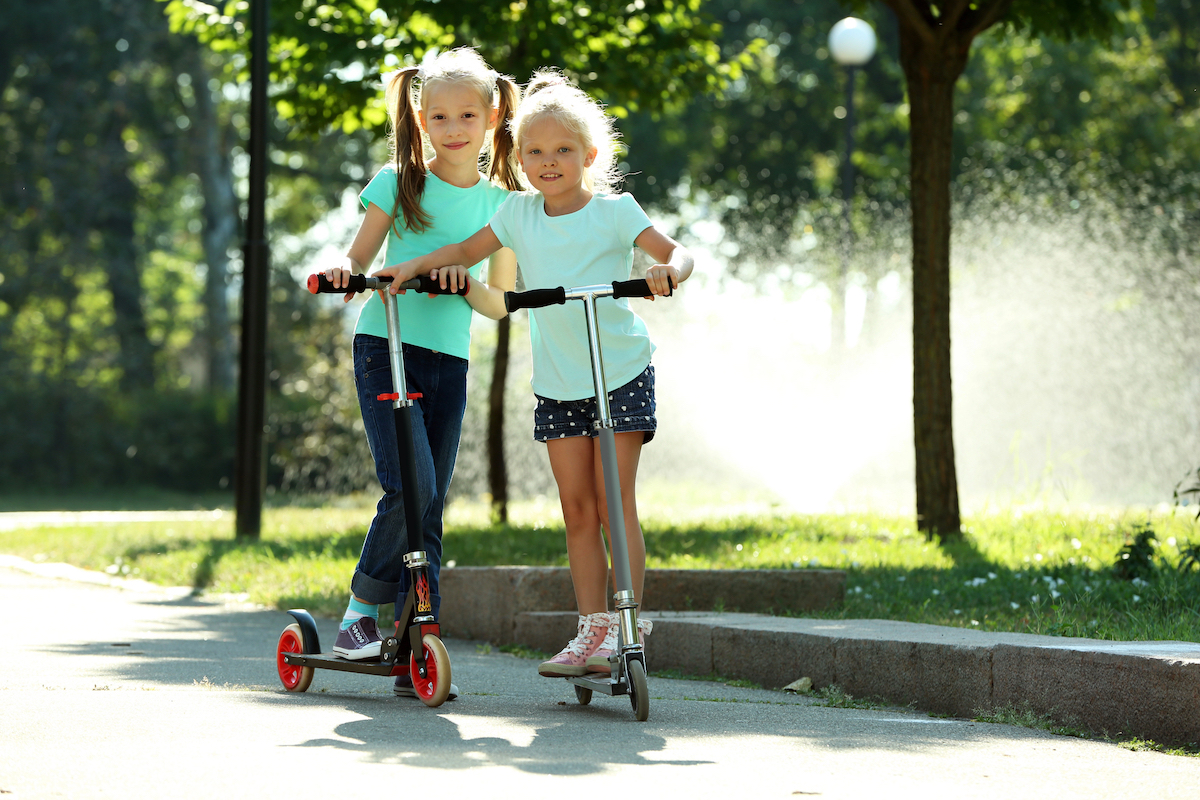
Equipment that encourages active play serves valuable purposes, particularly for families with limited outdoor space or challenging weather. Scooters, in particular, offer remarkable versatility. They encourage movement without requiring athletic ability, let kids cover distances quickly, and feel more like fun transportation than exercise.
Helpful Action Steps:
-
Introduce scooters or balance bikes for independent movement at home or local parks.
-
Rotate outdoor equipment for variety: balls, jump ropes, hula hoops.
-
Make outdoor time non-negotiable, morning rides, and after-school park visits.
The weather shouldn’t prevent outdoor time. Light rain, cold weather, and even snow offer rich sensory experiences. Splashing in puddles, crunching through leaves, watching breath puff in cold air, these tiny joys linger long after any lesson learned.
Learning Through Playful Seasonal Activities
The academic pressure children face today extends well beyond school hours. Homework expectations have increased even in elementary years. Enrichment activities promise to boost future academic performance. Summer becomes test prep season. The message children receive is that learning equals formal instruction, worksheets, and adult-directed activities.
Yet research consistently shows that children learn most effectively when they’re genuinely engaged, when activities feel playful rather than mandatory, and when they can make meaningful choices about their learning process. The disconnect between what research tells us about effective learning and how we actually structure children’s educational experiences remains frustratingly wide.
Seasonal celebrations offer natural opportunities for learning that feel like play. Holidays create built-in motivation; children genuinely want to engage with activities connected to occasions they find exciting. This intrinsic motivation makes learning more effective and more enjoyable than extrinsic rewards or requirements ever could.
Easter specifically provides rich territory for playful learning. The visual appeal of eggs, bunnies, spring flowers, and bright colours naturally attracts children’s attention. The concrete manipulatives associated with the holiday, plastic eggs, jellybeans, and chocolate, work beautifully for hands-on math activities. Counting, sorting, patterning, basic addition and subtraction all become more engaging when they involve appealing holiday materials.
For families looking to incorporate educational elements into holiday fun without triggering resistance, quality printable easter maths activities strike the right balance, They look festive rather than worksheet-like, they incorporate themes and characters children find appealing, and they can be completed in short bursts rather than requiring extended sitting, The key is positioning these as fun extras rather than mandatory assignments, “Would you like to try this Easter egg puzzle?” works better than “you need to finish this worksheet.”