
kiddi
We all know childhood passes in the blink of an eye. Everyone reminds us to cherish these years, but somehow, the pace of life makes that hard. We rush to activities, through meals, past tantrums, toward the next milestone. In our quest to raise “successful” children, we often forget the simple joy of letting them just be kids.
I dont know about you but it feels as though parenting is so full of pressure. Between educational apps, enrichment classes, and curated glimpses of other families’ picture-perfect lives on social media, it’s easy to feel like we’re never doing enough. But what if the best childhood memories come from slowing down rather than speeding up?
Why Unstructured Time Matters
When children have room to explore, create, or simply daydream, something magical happens. They relax, become more creative, and dive deeper into what captures their interest. Play becomes joyful, imagination thrives, and curiosity blossoms.
Balance is key. Structured activities aren’t bad; they have their place, but children also need moments without expectations, deadlines, or perfect outcomes. These moments often teach them more than any enrichment class ever could.
Crafts That Captivate
Watching a child fully absorbed in a craft project is mesmerising. Not the “perfect for Instagram” kind, but the kind where time seems to stretch, concentration deepens, and small decisions matter.
Why Crafts Are Valuable
-
Develop fine motor skills, patience, and spatial reasoning.
-
Encourage problem-solving when things don’t go as planned.
-
Build pride in effort rather than perfection.
Crafts for Every Age
-
Toddlers (1–3 years): Finger knitting, wrapping yarn around cardboard, or exploring paint sticks.
-
Preschoolers (3–5 years): Simple weaving, small crochet chains, or paper crafts.
-
School-age kids (6–12 years): Beginner scarves, pom-poms, decorative pieces, or DIY seasonal decorations.
Parent Tips
-
You don’t need a craft store nearby; buying yarn online in Australia makes it easy to start projects whenever inspiration strikes.
-
Include grandparents or older relatives for an extra connection; they can share traditional skills and stories.
- Celebrate Imperfection: The lumpy scarf or uneven stitches? These are successes, not failures. Praising creativity over perfect execution teaches children that their ideas and efforts matter more than the final product.
Crafting also introduces children to environmental awareness. They learn to appreciate handmade items and understand why repairing or creating something takes time and care.
Scoot, Climb, Jump! The Power of Outdoor Play
Crafts are important, but children also need vigorous outdoor play, ideally unstructured, ideally with some freedom to explore. The decline of free play in modern life is linked to anxiety, lower physical fitness, and missed social learning opportunities.
The Benefits of Outdoor Play
-
Builds spatial awareness, risk assessment, and confidence.
-
Teaches children how to navigate social interactions without constant adult intervention.
-
Strengthens muscles, coordination, and overall health.
Risky play isn’t about danger—it’s about small challenges children can manage: climbing a little higher than usual, balancing on logs, or exploring new spaces. When children face minor challenges, they learn resilience, problem-solving, and independence.
Equipment for Success
-
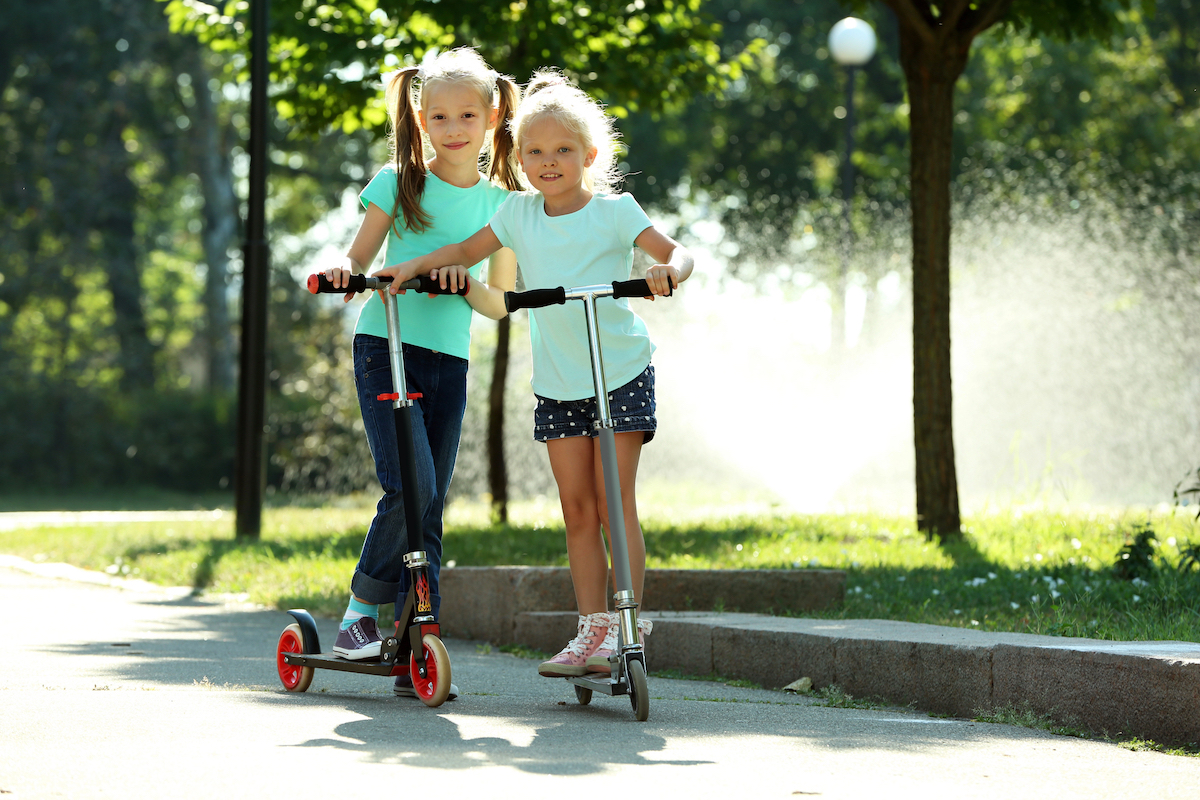
A properly sized toddler scooter with stability features can make outdoor play safer and more fun, encouraging balance and confidence as little ones explore.
-
Lightweight balls, climbing frames, and safe outdoor toys.
-
Outdoor-friendly clothing to keep play going in rain, snow, or cooler weather.
Even brief outdoor routines, morning scooter rides, afternoon park visits, post-dinner walks, make unstructured play a regular, non-negotiable part of life.
Outdoor play isn’t just exercise—it’s a classroom for life skills.
Learning Through Playful Seasonal Activities
Children learn best when activities feel like play, not homework. Holidays are perfect for mixing learning and fun.
Example: Easter
-
Math: Counting, sorting, and patterning with eggs, jellybeans, or chocolate treats.
-
Creativity: Decorating eggs, crafting cards, or writing spring-themed stories.
-
Age-Specific Fun:
-
Toddlers: Simple color sorting with jellybeans.
-
Preschoolers: Easy egg-decorating patterns.
-
School-age: printable easter maths activities, like counting jellybeans or patterning eggs, make learning playful and hands-on.
-
Parent tip: Keep activities short, playful, and optional. Ask, “Would you like to try this?” rather than giving instructions.
Other Holidays
-
Christmas: Ornament making, tree-decorating patterns, letter-writing to family.
-
Diwali: Rangoli designs, lantern crafts.
-
Lunar New Year: Paper lanterns, dragon art.
By weaving learning into celebration, children stay engaged without feeling pressured.
Presence Over Perfection
One of the hardest lessons for parents is to be truly present. Phones down, distractions aside, fully listen when children talk, and join their games, even if it’s messy or silly.
Why Presence Matters
-
Children feel valued for who they are, not just what they achieve.
-
Accepting imperfection in crafts, outdoor play, or learning teaches flexibility.
-
Children remember the feeling of love and connection, not every class or milestone.
Finding Your Family’s Path
Every family is different. There’s no single right way to slow down. Intentionality is key: choose what matters, let go of unnecessary pressure.
-
Say no to activities that overwhelm your schedule.
-
Invest in simple, home-based creative supplies.
-
Choose outdoor adventures over overly elaborate entertainment.
-
Build routines that create unstructured, joyful time.
Even small shifts, like 15 minutes of quiet play, can spark meaningful connection. Over time, these simple moments build the foundation of childhood memories and emotional security.
10 Quick Ideas to Start Slowing Down
-
Finger-knit a colourful yarn chain.
-
Have a puddle-jumping contest in the rain.
-
Decorate seasonal eggs or lanterns together.
-
Go for a nature walk and collect leaves or flowers.
-
Make a simple obstacle course in the backyard.
-
Set up a cozy craft corner for short projects.
-
Write a short story inspired by a holiday.
-
Create a family memory book with photos of crafts and play.
-
Try a 10-minute daily “screen-free zone” for free play.
-
End the day with a bedtime chat about the day’s favourite moments.
Final Thought
Children don’t need everything—they need time, attention, presence, and opportunities to be themselves. Slowing down isn’t rejecting modern life—it’s choosing the parts that truly matter.
Start small. Notice what sparks curiosity, laughter, and connection. These are the moments your children will remember long after crafts are forgotten, games end, and holidays pass.
Because what really shapes childhood isn’t perfection—it’s love, attention, and the freedom to simply be a child.