
🎩❤️ The Cat in the Hat has met Elmo, Cookie Monster and Abby Cadabby… and your preschooler is going to LOVE it!
But here’s the part parents might not expect…
Behind the songs, silliness and screen time are opportunities to build early literacy, language, problem-solving, movement and creativity — simply by joining in.
And you don’t need to turn it into a lesson. A song, a missing letter, getting dressed or a silly conversation can be enough to get little minds thinking.
Because sometimes the best learning happens after the screen goes off.
👉 Discover how to turn this fun new crossover into playful learning for your preschooler.

Two of the most loved faces in children’s television have finally met… and it’s every bit as joyful as you’d hope. 🐷❤️🔴
Peppa Pig and Elmo are jumping into the same muddy puddle** for the first time — with music, movement, laughter and a dance remix little ones will want to watch again and again. 💦🎶
But here’s the part we found really interesting…
What if the best thing about this new collaboration **isn’t what happens on the screen — but what happens after it?
From dancing and singing to imaginative play and getting outside, we explore **how parents can turn a favourite song into an opportunity for movement, connection and play.
Because sometimes, the magic really begins when **the screen goes off. ❤️
👉 Read the full article on Kiddipedia and discover how to turn Peppa and Elmo’s muddy-puddle fun into play your whole family can join in with.
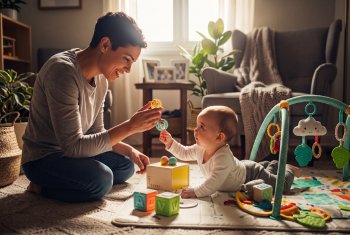
👶 Is your baby “behind”… or are we putting too much pressure on the milestones?
If you’ve ever looked at a milestone chart and wondered, “Should my child be doing this by now?” — you’re not alone. ❤️
In a world of parenting comparisons, milestone checklists and endless advice, it’s easy to focus on what your child hasn’t done yet instead of noticing how far they’ve already come.
🌿 But what if the little things matter more than we realise?
The reaching. The grasping. The babbling. The exploring. The tiny moments of progress that happen quietly between the big milestones.
These “inchstones” can reveal so much about a child’s development — and may help parents see progress in a completely different way.
In this insightful article, Dr. Maral Amani, paediatric physical therapist and Child Development Expert, explains what milestones really mean, why comparing children can create unnecessary stress, and why play, connection and celebrating the small steps may be one of the most valuable things parents can do.
💚 Because your child doesn’t need to race to the next milestone. They need the space to grow, explore and develop in their own time.
👉 Read the full article and discover why the little steps deserve more attention.
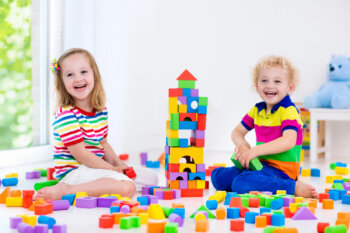
It always starts the same way…
It’s winter school holidays, the weather turns cold, the house gets louder… and someone says “I’m bored” before you’ve even finished your coffee.
If that sounds familiar — this is for you.
We’ve pulled together a real parent survival list of 50 simple, screen-free winter activities that actually work in real homes (not Pinterest-perfect ones).
Think:
blanket cubbies that take over the lounge room
baking that somehow ends in flour everywhere
backyard chaos in jackets and gumboots
quiet moments that reset everyone’s mood
and the kind of simple play that turns into the best kind of memories
No pressure. No perfection. Just easy ideas for the long days at home when you’re running out of steam but still want connection, laughter, and a bit of calm in the chaos.
👉 Save this one — you’ll come back to it more than once this winter.
We’re raising the first generation of children whose early brain development is unfolding alongside constant screens.
And most parents are left wondering:
“If my child is watching and interacting with screens every day… what is it actually doing to how they learn, feel, and grow?”
Here’s what the science quietly keeps showing us:
Young children don’t just “learn differently” from screens…
they learn less deeply than they do from real-world, human, sensory-rich experiences.
Not because screens are “bad.”
But because a developing brain is built for something screens can’t fully replicate:
messy, unpredictable real life
emotional back-and-forth with humans
touch, movement, and physical discovery
boredom that turns into imagination
failure that turns into resilience
A toddler isn’t just “playing” when they stack blocks or dig in dirt.
They’re building the architecture of attention, language, emotional regulation, and thinking itself.
Screens can entertain. They can even teach.
But they don’t replace the developmental power of a child:
falling, trying again, being comforted, exploring, moving, and connecting with real people.
If you’ve ever felt unsure about screen time—not guilty, just unsure—this piece is for you.
It breaks down what research actually says… in a way that makes sense in real family life.
👉 Read the full article here
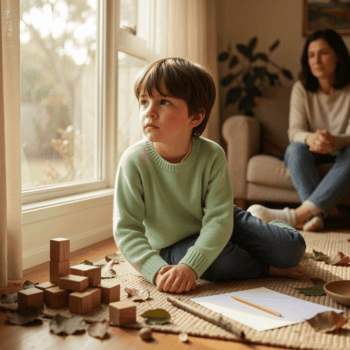
Term 1 school holidays are here…
And so is the familiar pressure:
“How do I keep them entertained?”
But in 2026, it’s louder than ever—
with screens, streaming, gaming, and constant stimulation competing for every quiet moment.
And somewhere in all of this… we’ve lost something important.
Boredom.
But what if boredom isn’t the problem—what if it’s essential?
Because science shows boredom is where children actually develop:
🧠 creativity
🧠 emotional regulation
🧠 independence
🧠 problem-solving
From toddlers to tweens, boredom is the space where the brain learns to think, imagine, and self-direct.
In an overstimulated world, maybe the most powerful thing we can give our kids isn’t more entertainment…
It’s space.
✨ Let them be bored. Something important is happening.
👉 Read more in the article.
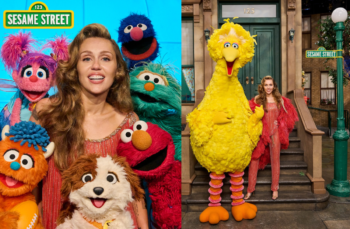
🎨 Imaginative play matters! Miley Cyrus joins Elmo on Sesame Street for her debut to Celebrate the Power of Imagination.
In her colourful guest appearance, she joins Elmo for a playful musical moment that highlights the power of imagination. In the episode, ‘Elmo’s Toy Swap’, Elmo is eager to swap toys he no longer wants or needs with his friends. But when his old toys are used in unexpected ways — like a flying disc as a pretend shield or a football as a spaceship — Elmo learns that there’s no wrong way to play, and it can be fun to see friends use your things in new ways.
🚀 Show kids how ordinary toys can spark extraordinary adventures! Fun for kids, easy inspiration for parents! 🌟
💛 Every toy has a story… and Miley Cyrus and Elmo just proved that imagination has no limits. Watch the episode now and let your child’s creativity soar!

Have you ever looked at something from Kmart, Bunnings or somewhere else and thought, this would be perfect for the playroom? Let’s take some of the guess work out and create some hacks for your playroom using simple, every day… Continue Reading >
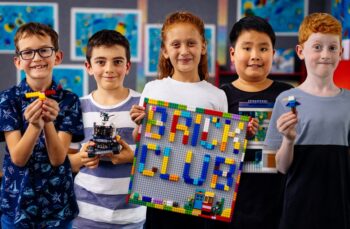
This month, LEGO Foundation has announced their support of Play Included, a UK-based social enterprise dedicated to training teachers, psychologists, speech and language therapists, and other professionals to use LEGO play for therapeutic purposes as part of the Brick-by-BrickTM program…. Continue Reading >

As a parent, you are your child’ first and longest-serving teacher. Family creates the environments and experiences in which learning happens, which makes parents a child’s first and best teacher throughout their life. Did you know that 90-95% of brain… Continue Reading >
Get parenting advice and support delivered right to your inbox
We'd love to hear what you think of the website, so we can continue to improve it . . . GIVE YOUR FEEDBACK >