

We’re raising the first generation of children whose early brain development is unfolding alongside constant screens.
And most parents are left wondering:
“If my child is watching and interacting with screens every day… what is it actually doing to how they learn, feel, and grow?”
Here’s what the science quietly keeps showing us:
Young children don’t just “learn differently” from screens…
they learn less deeply than they do from real-world, human, sensory-rich experiences.
Not because screens are “bad.”
But because a developing brain is built for something screens can’t fully replicate:
messy, unpredictable real life
emotional back-and-forth with humans
touch, movement, and physical discovery
boredom that turns into imagination
failure that turns into resilience
A toddler isn’t just “playing” when they stack blocks or dig in dirt.
They’re building the architecture of attention, language, emotional regulation, and thinking itself.
Screens can entertain. They can even teach.
But they don’t replace the developmental power of a child:
falling, trying again, being comforted, exploring, moving, and connecting with real people.
If you’ve ever felt unsure about screen time—not guilty, just unsure—this piece is for you.
It breaks down what research actually says… in a way that makes sense in real family life.
👉 Read the full article here
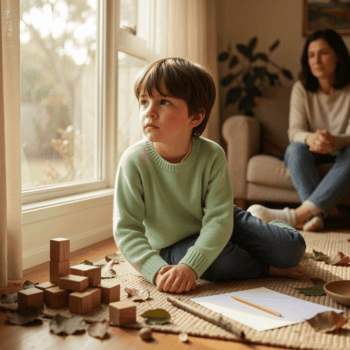
Term 1 school holidays are here…
And so is the familiar pressure:
“How do I keep them entertained?”
But in 2026, it’s louder than ever—
with screens, streaming, gaming, and constant stimulation competing for every quiet moment.
And somewhere in all of this… we’ve lost something important.
Boredom.
But what if boredom isn’t the problem—what if it’s essential?
Because science shows boredom is where children actually develop:
🧠 creativity
🧠 emotional regulation
🧠 independence
🧠 problem-solving
From toddlers to tweens, boredom is the space where the brain learns to think, imagine, and self-direct.
In an overstimulated world, maybe the most powerful thing we can give our kids isn’t more entertainment…
It’s space.
✨ Let them be bored. Something important is happening.
👉 Read more in the article.
Get parenting advice and support delivered right to your inbox
We'd love to hear what you think of the website, so we can continue to improve it . . . GIVE YOUR FEEDBACK >