

“Mum, will it hurt?” ❤️
When your child needs an X-ray or ultrasound, it’s completely natural to have questions — especially when you’re not sure what the appointment will involve.
Will they need to fast? Can you stay beside them? What happens during the scan? Will they need to keep still? And when will you find out what the images show?
Knowing what to expect can help you feel calmer — and your child feel safer.
Our guide takes you through everything parents need to know about children’s X-rays and ultrasounds, from preparing for the appointment to helping your child stay calm and understanding what happens afterwards.
Because when you know what’s coming, you can walk through the experience together with greater confidence. 💕

🟢 𝗪𝗵𝗮𝘁 𝗶𝗳 𝘁𝗵𝗲 𝘁𝗿𝗮𝗺𝗽𝗼𝗹𝗶𝗻𝗲 𝗶𝗻 𝘆𝗼𝘂𝗿 𝗯𝗮𝗰𝗸𝘆𝗮𝗿𝗱 𝗶𝘀 𝗱𝗼𝗶𝗻𝗴 𝗺𝗼𝗿𝗲 𝘁𝗵𝗮𝗻 𝘀𝗶𝗺𝗽𝗹𝘆 𝗵𝗲𝗹𝗽𝗶𝗻𝗴 𝘆𝗼𝘂𝗿 𝗸𝗶𝗱𝘀 𝗯𝘂𝗿𝗻 𝗼𝗳𝗳 𝗲𝗻𝗲𝗿𝗴𝘆?
To your child, it’s just jumping, laughing and asking for “five more minutes.” But underneath every bounce, their 𝗯𝗿𝗮𝗶𝗻 𝗮𝗻𝗱 𝗯𝗼𝗱𝘆 𝗮𝗿𝗲 𝘄𝗼𝗿𝗸𝗶𝗻𝗴 𝘁𝗼𝗴𝗲𝘁𝗵𝗲𝗿 — adjusting balance, coordinating movement, sensing where their body is in space and learning how to control each landing.
From 𝗯𝗮𝗹𝗮𝗻𝗰𝗲 𝗮𝗻𝗱 𝗰𝗼𝗼𝗿𝗱𝗶𝗻𝗮𝘁𝗶𝗼𝗻 to 𝗽𝗵𝘆𝘀𝗶𝗰𝗮𝗹 𝗹𝗶𝘁𝗲𝗿𝗮𝗰𝘆, movement confidence and daily activity, there is more happening on that trampoline than many parents realise.
But there’s another side to the story too: 𝘁𝗿𝗮𝗺𝗽𝗼𝗹𝗶𝗻𝗶𝗻𝗴 𝗰𝗼𝗺𝗲𝘀 𝘄𝗶𝘁𝗵 𝗿𝗲𝗮𝗹 𝗶𝗻𝗷𝘂𝗿𝘆 𝗿𝗶𝘀𝗸𝘀, and knowing what the research says about safe use matters just as much as understanding the developmental benefits.
So, is a trampoline a worthwhile addition to the backyard? And what does the Australian evidence actually tell us?
👉 𝗪𝗲 𝘁𝗮𝗸𝗲 𝗮 𝗰𝗹𝗼𝘀𝗲𝗿 𝗹𝗼𝗼𝗸 𝗮𝘁 𝘁𝗵𝗲 𝘀𝗰𝗶𝗲𝗻𝗰𝗲 𝗯𝗲𝗵𝗶𝗻𝗱 𝘁𝗵𝗲 𝗯𝗼𝘂𝗻𝗰𝗲 — 𝗮𝗻𝗱 𝘁𝗵𝗲 𝘀𝗮𝗳𝗲𝘁𝘆 𝗮𝗱𝘃𝗶𝗰𝗲 𝗲𝘃𝗲𝗿𝘆 𝗽𝗮𝗿𝗲𝗻𝘁 𝘀𝗵𝗼𝘂𝗹𝗱 𝗸𝗻𝗼𝘄.

“Why can’t my child just sit still?”
“Why do I have to ask them five times to do something?”
“Are they simply being a kid… or could it be ADHD?” 💛
If you’ve ever asked yourself these questions, you’re certainly not alone.
Children can be energetic, distracted, impulsive, emotional and easily bored, and many of these behaviours are a completely normal part of childhood development.
But sometimes, the challenges are more persistent. They can begin to affect learning, friendships, home life and a child’s confidence, and that’s when parents may start wondering whether ADHD could be part of the picture.
With ADHD Awareness Month coming up in October, General and Developmental Paediatrician Dr Lexi Frydenberg answers one of the questions she hears from parents again and again:
“Does my child have ADHD?
From the early signs and different presentations of ADHD to how children are assessed, what causes ADHD and the practical ways parents and schools can provide support, Dr Lexi explains what parents need to know.
And perhaps most importantly, ADHD is not the result of bad parenting or something you did wrong.
Understanding your child can be the first step towards helping them feel supported, confident and capable.❤️
👉 Read the full article to learn when childhood behaviour may be more than just a phase — and what parents can do to help.

🍕 What if teaching your child to cook was about so much more than making dinner?
There may be flour on the bench, sauce on little fingers and a heated debate over who gets the last piece of cheese — but underneath the mess, your child is learning skills they will carry with them for life.
Cooking teaches children how to make choices, follow instructions, solve problems, measure, plan, understand food, manage money, reduce waste, stay safe in the kitchen and gradually become more independent.
It can also help children become more familiar with different foods, give them a sense of agency and achievement, and create those everyday moments of connection where conversations happen naturally.
And you don’t need to start with complicated recipes.
A homemade pizza can be enough.
Let them choose the toppings. Let them get messy. Let them make mistakes. Let them create something that is theirs.
Because the goal isn’t to raise a little chef.
It’s to raise a child who knows how to feed themselves, make informed choices, contribute to family life and confidently find their way around a kitchen.
🍕❤️ The dinner might only last 20 minutes. The skills, confidence and memories can last a lifetime.
Read the article to discover why cooking with your children could be one of the most valuable everyday lessons you give them.
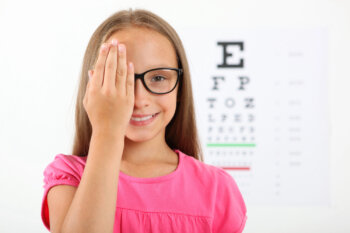
How Often Should You Get an Eye Test for Your Kids? 🤔👦👧
Did you know that 35% of Aussies skip regular eye tests—many of them children? 😲👀 Yet, good vision is key to learning 📚, confidence ✨, and everyday fun 🎨⚽! The problem? Many kids don’t even realise they have vision issues. ❌👓
Find out how often your little one should have an eye test 🏥✅ and easy ways to protect their eyesight! 💡💙 Read more now! ⬇️📖

🦷✨ Little smiles, big habits! Teaching your kids healthy dental routines doesn’t have to be a battle. From fun brushing games to expert tips that actually work, discover how to make oral care simple, stress-free, and even enjoyable for the whole family. Start building strong, happy smiles today!
Read the full guide here:

Think your child’s health care is covered? Think again.
In 2025, one missed code, one forgotten referral, one delayed form—and you’re hit with a bill you never saw coming. Parents are doing more than caring for sick kids. They’re decoding fine print, chasing insurers, and learning a whole new language just to get the care their children need.
💡 Don’t let the system catch you off guard.
Read this now to protect your family from costly surprises.
👉
Get parenting advice and support delivered right to your inbox
We'd love to hear what you think of the website, so we can continue to improve it . . . GIVE YOUR FEEDBACK >