
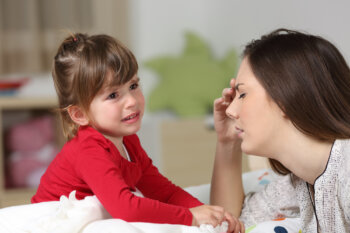
Having an allergy (food or bee!) can be anxiety-provoking, and experiencing a life-threatening allergic reaction may instil debilitating fear if left unchecked. For some children, this may lead to avoidance of food, new experiences, and sometimes social situations. Whilst it… Continue Reading >

In every family, there is bound to be some conflict, especially between siblings. Sibling rivalry is a normal part of growing up, but it can become a problem if not managed properly. There are several strategies that parents can use… Continue Reading >

A recent study by The Royal Children’s Hospital Melbourne found that only a third of Australian children aged seven to 10 years travel in a booster seat, and whilst this is technically legal, best practices indicate there is more to consider before… Continue Reading >

The nature of children’s health around the world is changing. There is now a ‘new morbidity’ occurring, with obesity, mental health conditions, self-harm and, suicide taking centre stage. Having worked as a teacher and guidance counsellor for the past 25… Continue Reading >

As a parent or early childhood educator, I’m sure you’re interested in strategies to help children process information efficiently. This is called executive function and it supports learning. There are three key elements: Focus and self-regulation: can children behave in… Continue Reading >

(Information current as of 8 August 2022) You may have heard recently in the news that a COVID-19 vaccine has been approved and recommended by ATAGI (Australian Technical Advisory Group on Immunisation) for SOME children aged 6 months- 5… Continue Reading >

Understandably, it can be difficult for children to remain motivated and engaged with their learning while on holidays. After all, they’ve just spent the past two or three months reading, writing, counting and problem-solving, so it’s only fair that they’re… Continue Reading >

by Elizabeth Ryan Continuing on from the first part of this article, which detailed positive and secure styles of attachment, the following are three forms of insecure attachment. Anxious-preoccupied Toddlers with anxious-preoccupied attachment tend to become upset when their… Continue Reading >

‘Red flags’ are the really concerning signs and symptoms when your child is sick, that indicate the need for urgent medical help. As parents and carers, we often know the ‘cut and dry’ incidents for when an ambulance needs to… Continue Reading >

In the age of technology and social media, children and adolescents are now less likely to be physically active. Research has indicated that living a sedentary lifestyle (e.g. not being physically active and playing video games or watching television) can… Continue Reading >
Get parenting advice and support delivered right to your inbox
We'd love to hear what you think of the website, so we can continue to improve it . . . GIVE YOUR FEEDBACK >