
Kiddipedia
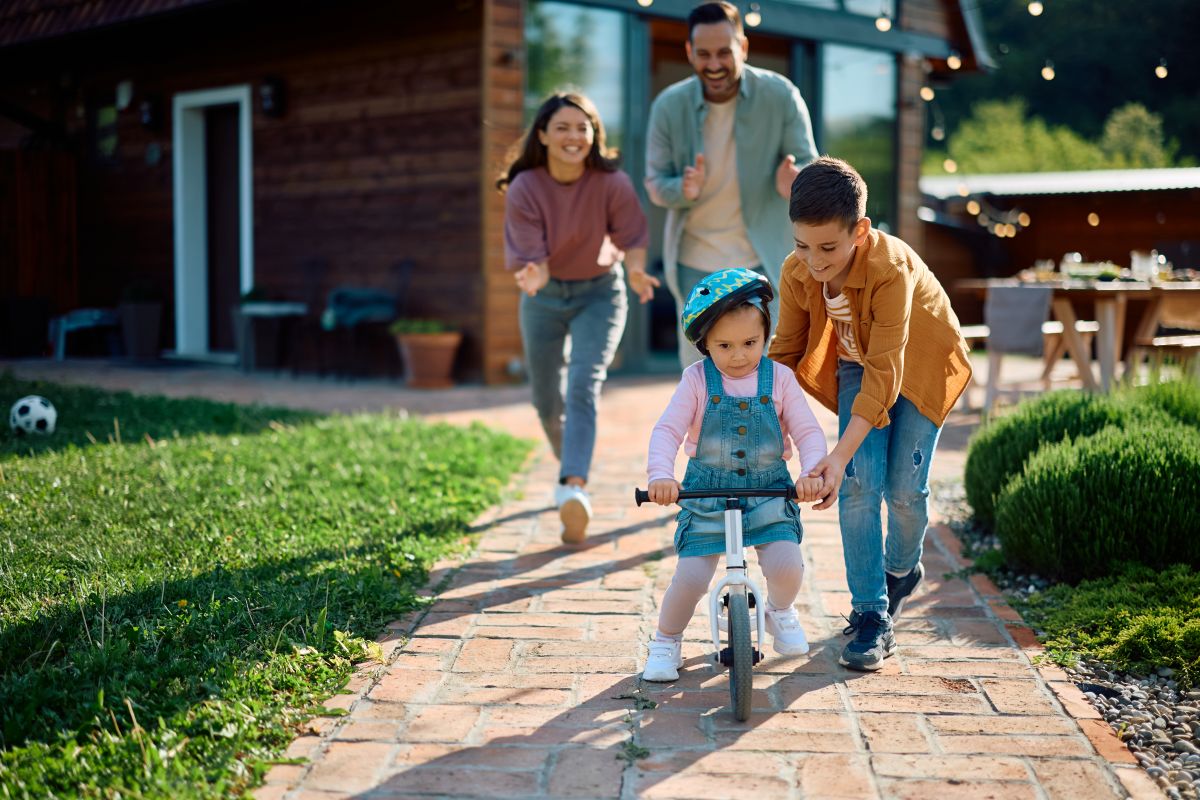
Outdoor play is considered essential for child development. Playing in the great outdoors helps toddlers improve their gross motor skills, conduct sensory exploration, learn independence, and become more resilient. As a parent, it’s totally normal to have concerns about your toddler’s safety as they learn to play outside. After all, toddlers are notoriously unpredictable and still lack the ability to perceive danger.
Fortunately, there are steps you can take to create a safe and secure outdoor environment where your child can explore confidently, and you can breathe a sigh of relief. With design features like authentic Colorbond fence panels, and strategically placed verandas, your backyard can become a haven for outdoor play.
Start With a Secure Perimeter
When it comes to toddler safety, a secure perimeter is your first line of defence. Toddlers are inclined to wander, following pets or rolling balls, and a strong fence will ensure they cannot access roads, driveways, sheds, or neighbouring properties. The ideal fence is sturdy, unclimbable, and has a smooth surface without sharp edges or splinters. Gates must have latches placed high, and include self-closing and self-locking mechanisms. Use of durable, weather-resistant materials, like authentic Colorbond fence panels, ensures your fencing withstands time, climate, and childhood shenanigans.
Create Child-Friendly Zones
Toddlers benefit from carefully designated activity zones, and parents benefit from zones that reduce hazards and minimise stress. Consider dividing your backyard into three zones: one for active running and play, one for calmer sensory activities, and one for adult enjoyment. Each zone should include appropriate features – soft landings, water play tables, and comfortable seating for parents. The adult enjoyment zone should have clear visibility of toddler zones for maximum supervision. Avoid placing toddler zones near tools or vehicles.
Prioritise Soft, Safe Ground Covering
Concrete and brick increase the risk of painful injuries and can retain heat, burning small feet. Use soft, safe ground coverings like rubber mats, soft mulch, grass turf, synthetic grass, or sandboxes. Regularly check ground coverings for trip hazards to reduce slipping risks. Sandboxes are another excellent alternative, adding an extra sensory bonus along with safety. Check your ground covering regularly for trip hazards to further reduce the chance of slipping.
Make Shade a Priority
In Australia, shade is especially important for toddlers, whose sensitive skin and small frames leave them vulnerable to sunburn and heat exhaustion. With proper shade, you reduce these risks and support longer, safer outdoor play. Fixed structures, like pergolas or verandas, can protect toddlers from the sun, but natural shade from strategically planted trees works just as well. If space is limited, an umbrella or retractable awning will provide adequate shade for playtime. Ensure each key zone is shaded for sun-safe outdoor play.
Manage Water Hazards Responsibly
Water is responsible for several tragedies each year. Keeping your toddler safe, even from very small amounts of water, is crucial. Curiosity often leads children to play in buckets, pet bowls, birdbaths or fountains, but even these small backyard elements can be dangerous. For optimum safety, empty water play tables, buckets, basins and bowls immediately after use. If something can’t be emptied, ensure it is covered, fenced off or out of reach. Any water activity must be closely supervised by at least one adult. Pools and spas must be surrounded by compliant fencing with self-locking gates, and should ideally be visible from multiple angles and from the main house.
Keep Outdoor Equipment Safe and Age-Appropriate
Beyond landscaping and layout, the everyday items in your backyard can also influence toddler safety. Outdoor furniture, tools and decorative features should be chosen with little explorers in mind. Secure any heavy items that could tip over, like large pots, benches or storage boxes. Avoid furniture with sharp corners, unstable legs or pinch points that could trap tiny fingers. If your toddler uses outdoor toys, ensure they are designed for their age group and free from small, detachable pieces. Safe storage is equally important – keep garden tools, chemicals and BBQ equipment locked away and out of reach. By curating age-appropriate items and removing unnecessary risks, you create a backyard that feels both inviting and secure for your child.
Choose Non-Toxic Landscaping
It’s natural for toddlers to explore the world with all their senses, including trying to taste anything and everything. Because of this, it’s important to choose non-toxic plants to prevent harmful species from entering your curious toddler’s mouth. Avoid oleander, angel’s trumpet, sago palm and fox glove, as well as any other toxic plants that are popular in your region. Instead, opt for herbs like lavender or rosemary, which are safe to eat and explore.
Key Takeaways
Having a toddler means always having your hands full. While it’s an incredibly fun age, the toddler years also bring about significant anxiety for worried parents. With a few simple tips, you can ensure your outdoor play area keeps your child entertained and on track – without adding to your stress levels. Here’s how:
- Start with a secure perimeter made from durable materials like authentic Colorbond fence panels.
- Create child-friendly zones with designated purposes like active play, sensory exploration and adult enjoyment to reduce hazards.
- Prioritise soft, safe ground covering that reduces the risk of injury when running, jumping, and playing.
- Make shade a priority to protect your vulnerable toddler from sunburn and heatstroke.
- Manage water hazards responsibly by dumping water you can, covering or fencing in water you can’t, and keeping eyes on water-related activities at all times.
- Choose non-toxic landscaping that allows your toddler to explore (and taste) their way through the garden without fear.