
Kiddipedia
More than just a way to entertain children, colouring pages are a gateway to creativity, learning, and emotional development. From simple shapes to intricate designs, colouring pages provide a versatile activity that appeals to children of all ages. Whether at home, at school, or on the road, these pages spark imagination and offer a host of developmental benefits. In this expert article, we’ll explore the value of colouring pages, their educational and psychological benefits, how to choose the right ones for different age groups, and tips for parents and educators to maximise their potential. For a wide variety of engaging options, check out coloring pages for kids.
The benefits of colouring for kids
Colouring is a deceptively simple activity that has profound benefits for young minds. It engages both the creative and analytical parts of the brain, fostering a balance between free expression and structured thinking. Here are some key benefits:
1. Improves fine motor skills
Colouring requires children to grip crayons, pencils, or markers and apply pressure to create strokes within defined lines. This strengthens hand muscles and improves dexterity, which is critical for tasks such as writing, tying shoelaces, or using utensils. For younger children, colouring large, simple shapes helps develop basic motor control, while older children benefit from the precision required for detailed designs.
2. Encourages creativity and self-expression
Colouring pages provide a blank canvas for imagination. Children can experiment with colour, pattern, and even storytelling through their artwork. A picture of a dinosaur might become a vibrant, polka-dotted creature from another planet, reflecting the child’s unique perspective. This freedom builds confidence in self-expression and encourages thinking outside the box.
3. Improves focus and concentration
Staying within lines and choosing colours requires attention to detail. Colouring teaches children to focus on a single task, a skill that translates to academic success and problem-solving. For children with shorter attention spans, starting with simpler designs can gradually build their ability to focus for longer periods of time.
4. Promotes emotional well-being
Colouring is a calming activity that can serve as a stress reliever for children. It provides a safe space to process emotions, especially for children who may have difficulty articulating their feelings. The repetitive motion of colouring can be meditative, helping children relax after a busy day or during transitions such as waiting at the doctor’s office.
5. Supports cognitive development
Colouring introduces children to concepts such as shapes, patterns, and colour theory. Recognising and naming colours, understanding spatial relationships (e.g., “inside” vs. “outside” of lines), and planning a colour scheme all stimulate cognitive growth. For older children, more complex pages with symmetry or perspective can introduce early math and geometry concepts.
Choosing the right colouring pages for different age groups
Not all colouring pages are created equal, and choosing age-appropriate designs is key to keeping kids engaged. Here’s a breakdown of what works best for different developmental stages:
Toddlers (Ages 2-4)
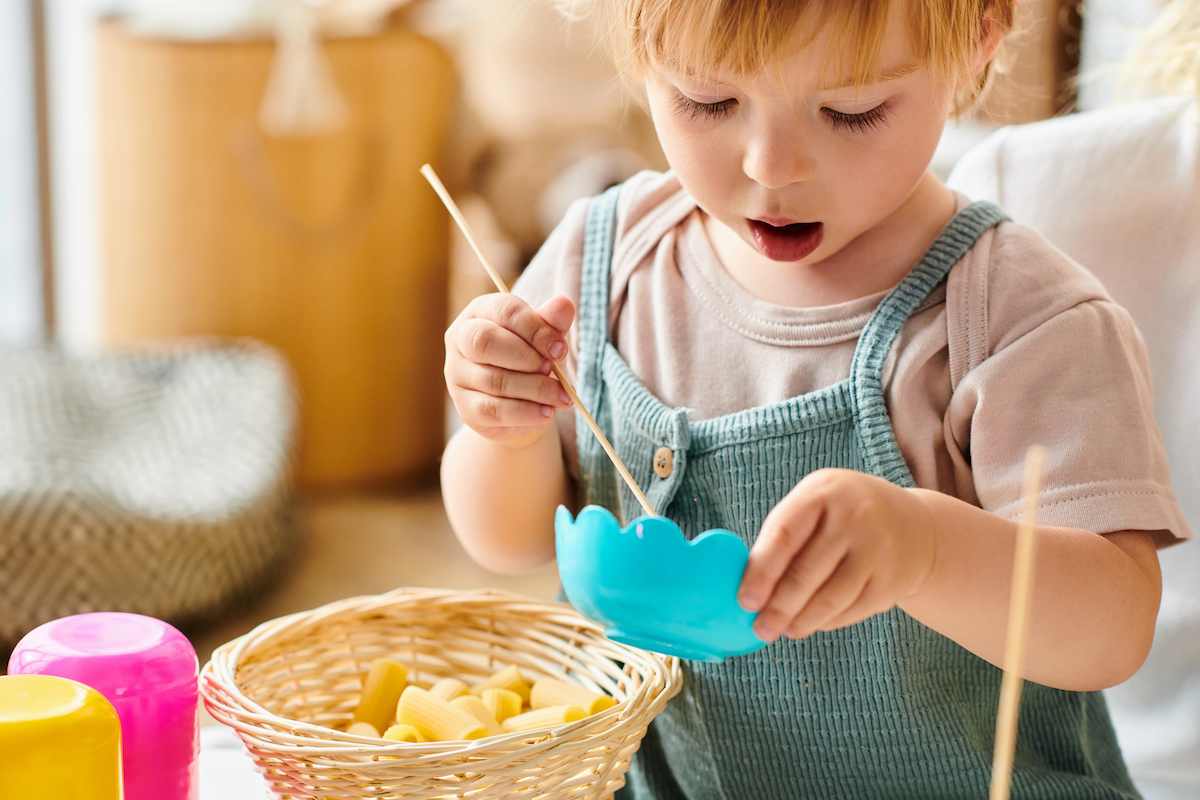
For toddlers, simplicity is key. Large, bold outlines with minimal detail prevent frustration and align with their developing motor skills. Popular themes include animals, basic shapes, or familiar objects such as fruits and vehicles. Avoid pages with small sections, which can be overwhelming for young children. Choose thick crayons or washable markers to keep the experience mess-free and fun.
Preschoolers (Ages 4-6)
Preschoolers are ready for more detailed designs, such as cartoon characters, nature scenes, or simple patterns. Pages that include letters, numbers, or basic words can reinforce early reading and math skills. Themes related to their interests-such as superheroes, princesses, or dinosaurs-keep them motivated. At this age, children can begin experimenting with colored pencils for finer control.
School Age Children (Ages 6-10)
Older kids can handle more intricate designs, such as mandalas, cityscapes, or detailed illustrations of their favourite book or movie characters. These pages challenge their precision and patience while encouraging creativity. Look for pages that match their hobbies, whether it’s sports, fantasy, or science-themed designs. Watercolour pencils or gel pens can add variety to their toolbox.
Preteens and Beyond (Ages 10 and up)
For older children, colouring pages can resemble adult levels of complexity, with intricate patterns or realistic illustrations. Mandalas, historical scenes, or abstract designs appeal to this age group and provide both a creative outlet and a way to relieve stress. Digital colouring apps can also be introduced, allowing kids to experiment with virtual tools and share their creations online.
How to incorporate colouring into daily routines
Colouring is a versatile activity that can be seamlessly integrated into a variety of settings. Here are practical ways to make it a part of children’s lives:
At home
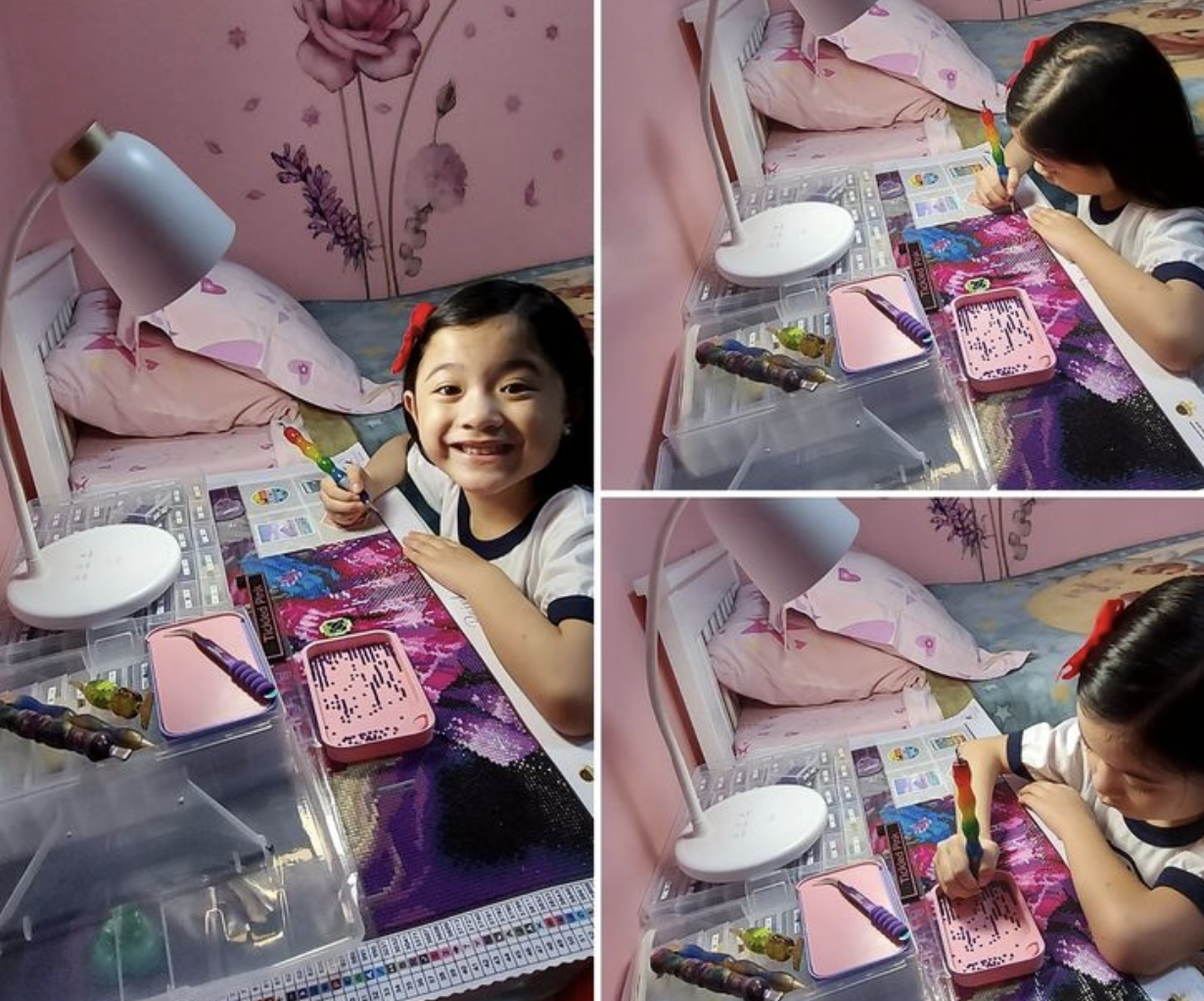
Create a special “art corner” with a variety of colouring pages, tools, and a comfortable workspace. Rotate themes weekly to keep things fresh – perhaps sea creatures one week and space adventures the next. Encourage kids to display their finished work on a “gallery wall” to increase their sense of accomplishment.
In the classroom
Teachers can use colouring pages as a reward activity, a quiet time activity, or as a classroom supplement. For example, colouring pages of historical figures or scientific diagrams can reinforce curriculum topics. Group colouring projects, where each child contributes to a larger mural, encourage collaboration and teamwork.
On the go
Colouring is a lifesaver for long car rides, plane trips, or waiting rooms. Portable colouring books or printable pages paired with a small set of crayons will keep kids occupied without screens. Look for travel-themed pages to tie the activity to the trip, such as maps or landmarks.
Tips for Parents and Educators
To maximise the benefits of colouring, consider these strategies:
- Encourage freedom, not perfection: Let children choose their colours and styles without judgment. If they paint a tree purple, celebrate their creativity rather than correct them.
- Mix Up the Media: Introduce different tools like crayons, markers, colored pencils, or even watercolours to keep the experience dynamic.
- Incorporate Storytelling: Ask children to tell a story about their picture as they colour. This builds language skills and makes the activity more interactive.
- Use Themed Pages for Learning: Choose pages that tie into educational themes, such as animals for a biology lesson or cultural symbols for social studies.
- Set a Routine: Designate specific times for colouring, such as after homework or on weekend mornings, to build consistency.
The role of technology in colouring
In the digital age, colouring isn’t limited to paper and crayons. Many apps and websites offer virtual colouring pages that kids can complete on tablets or computers. These platforms often include features like undo buttons, colour palettes, and sharing options, making them appealing to tech-savvy kids. However, balance is key-while digital colouring can be engaging, traditional colouring encourages tactile skills and reduces screen time.
Printable colouring pages are another tech-friendly option. Parents can download and print high-quality designs from reputable websites, often for free. This allows for endless variety without having to constantly buy new books. Look for sites that categorise sites by age, subject, or difficulty to streamline the selection process.
Addressing Common Concerns
Some parents worry that colouring is “just busy work” or that their child will quickly lose interest. To counteract this, make the activity feel meaningful by tying it to a child’s interests or learning goals. If a child gets bored, try changing the topic or introducing a collaborative project, such as colouring a giant poster together.
Another concern is mess, especially with younger children. Opt for washable markers and crayons, and use protective tablecloths or trays to make cleanup easy. For children who resist colouring because of the perceived difficulty, start with simpler designs and gradually increase the complexity as their confidence grows.
Bottom Line
Colouring books for children are much more than a pastime-they are a powerful tool for development, creativity, and emotional growth. By choosing age-appropriate designs, incorporating them into daily routines, and encouraging creative freedom, parents and educators can unlock their full potential. Whether it’s a toddler doodling a smiling sun or a preschooler creating a detailed mandala, colouring builds skills that last a lifetime. So grab some colored pencils, print out a few pages, and let the creativity flow!