
Kiddipedia
Most parents don’t need convincing that screen time is everywhere. What’s talked about less is what children are missing beneath the surface, not just creativity, but the ability to stay with a challenge long enough for deep thinking and problem-solving to develop.
Australian play‑based learning guidance recognises that when children are given time and space to explore, imagine and make decisions, they strengthen thinking, memory, attention and flexible problem‑solving skills. Play isn’t just fun, it’s fundamental to learning. Play supports cognitive, emotional and physical development, such as creativity, resilience and coordination [1].
This is where activities like creative building kits, such as book nooks, have quiet but profound developmental value.
Beyond Free Play, Why Structured Creative Builds Matter
In early childhood education across Australia, play is understood as a spectrum, from spontaneous, child‑led play to intentional, guided play experiences [1].
While free play stimulates imagination and independence, children also benefit from experiences that invite them to persist, plan and follow multi‑step processes, just like structured creative building kits. These activities encourage focus, careful decision‑making and confidence in tackling complex tasks.
What Australian Research Tells Us About Play and Development
Australia’s early learning frameworks, including the National Quality Framework and the Early Years Learning Framework (EYLF), place play at the centre of children’s learning. Play helps with:
Cognitive development,
Play enhances thinking, remembering, learning and paying attention, supporting literacy, numeracy and reasoning [1].
Physical development,
Play supports fine and gross motor skills, such as hand‑eye coordination and balance, skills directly connected to manipulative tasks like building [2].
Social and emotional skills,
Play fosters confidence, resilience, empathy and self‑regulation [3].
Play is more than just entertainment; it is learning in action [1].
Book Nook Kits as Structured Creative Projects
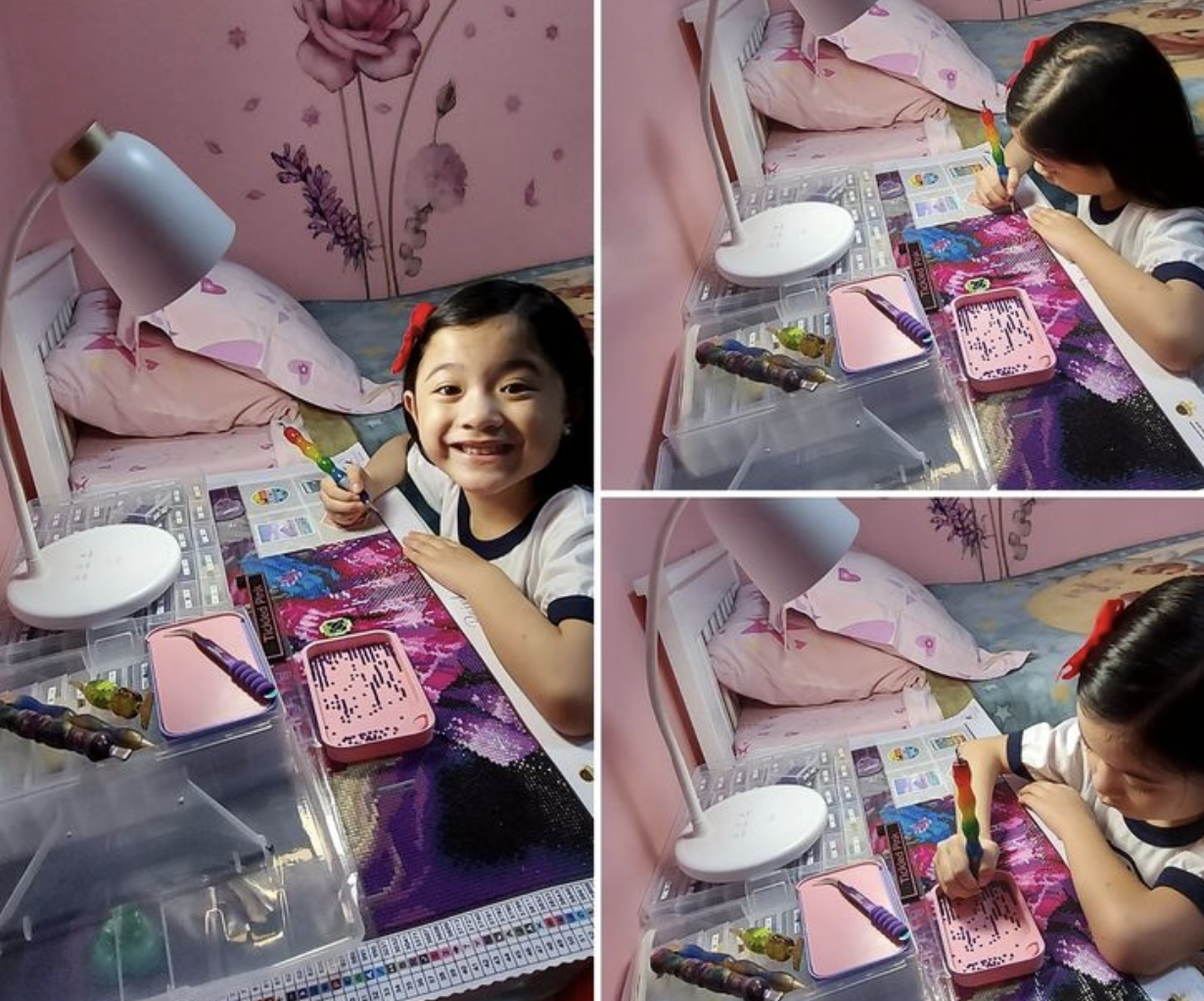
Anavrin 3D puzzle kits are structured building kits that involve assembling a miniature scene from detailed components. Each kit includes pre-cut pieces, decorative elements, clear instructions, and often LED lighting to enhance the finished display.
The building process encourages children to slow down and concentrate. Progress happens step by step, reinforcing attention to detail and thoughtful decision-making.
These kits are also an example of structured creative play, contrasting with the instant rewards of digital entertainment. Each kit invites children to:
-
Plan ahead and visualise outcomes,
-
Work patiently with their hands,
-
Tackle small challenges and adjust strategies,
-
Reflect on progress through layering and detail,
These are the kinds of experiences acknowledged by Australian educators as intentional play, where children are engaged and supported in building complex skills through meaningful tasks [2].
The Skill No One Teaches Clearly, Productive Frustration
As modern parents, it’s instinctive to help children right away when they struggle. But evidence shows that when children work through moderate difficulty, they practise self‑regulation and persistence, traits linked with later academic and emotional success [3].
Structured builds naturally create these moments,
-
A piece doesn’t fit, child thinks and tries again,
-
Instructions get tricky, child adapts strategy,
-
Progress is gradual, child learns effort leads to success,
These challenges scaffold executive function and resilience, skills that research describes as foundational for life‑long learning [3].
How Hands‑On Play Works Differently from Screens
Playing with real materials engages embodied cognition, the concept that thinking is shaped by physical experiences.
Unlike passive screen time, hands‑on activities offer
-
Multi‑sensory feedback,
-
Real‑world consequences,
-
Incremental progress without instant fixes,
-
Physical problem solving,
This combination supports spatial reasoning, fine motor control, creativity and cognitive flexibility, all critical developmental skills [2].
The Emotional Power of Finishing Something Hard
One of the most powerful outcomes of structured creative play is self‑efficacy, children’s belief in their ability to solve problems and overcome challenges.
When a child finishes a build and proudly displays it, they internalise the idea,
“I can do hard things.”
This confidence supports motivation, persistence and emotional well‑being, qualities Australian early years professionals consistently link with positive developmental outcomes [3].
How This Matters Right Now
Australian trends show many young children are spending more time sedentary and less time in active, exploratory play, which can reduce opportunities to practise focus, persistence and physical coordination [1].
While structured creative play doesn’t replace outdoor play or social interaction, it complements these experiences, strengthening a holistic learning foundation that serves children now and into school years [1].
Practical Ways Parents Can Support Structured Creative Play
🧠 Invite Reflection
Ask open‑ended questions like,
-
“What do you think comes next?”,
-
“What part did you enjoy the most?”,
This fosters executive function and metacognitive thinking [2].
🤝 Join the Process
Your presence and gentle guidance model persistence and problem-solving skills that kids absorb through observation [2].
🎉 Praise Effort Over Outcome
Celebrating effort, not perfection, reinforces growth and resilience, central to play‑based learning outcomes [3].
🧩 Balance With Other Play
Pair structured builds with free play and outdoor movement, both of which support complementary skill development [2].
Why This Needs to Be Part of Modern Childhood
Today’s world demands people who can,
-
Think deeply,
-
Solve problems creatively,
-
Manage emotions,
-
Collaborate with others,
These capabilities aren’t built through passive activities alone. They grow in rich, engaging, effortful experiences, the heart of structured creative play.
Activities like book nooks aren’t just fun, they are intentional growth experiences that help children build the thinking habits, confidence and resilience they’ll carry with them long after playtime ends.
🔎 References
-
StartingBlocks: Play‑based learning benefits children’s cognitive, social and physical skills, https://www.startingblocks.gov.au/resources/play-and-leisure-activities/play-based-learning
-
Education WA / Goodstart: Play supports fine motor skills, executive function, problem solving, https://www.education.wa.edu.au/play-based-learning
-
Goodstart: Play builds resilience, language, confidence and creativity, https://www.goodstart.org.au/parenting/what-does-play-based-learning-really-mean