
Kiddipedia
Summer is in full swing with its long, sunny days, balmy evenings, and plenty of chances to unwind and recharge. For parents, it’s also the perfect time to discover fun, meaningful ways to keep kids engaged and learning while they enjoy their school break. One of the most rewarding ways to mix play with learning this season? Music! 🎶
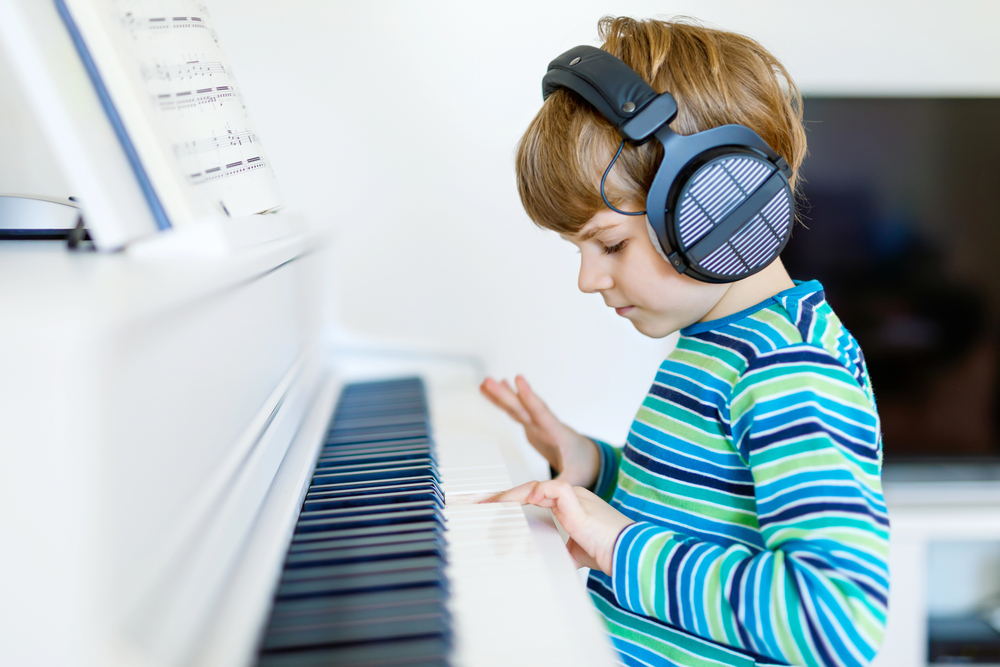
Whether it’s picking up an instrument, taking singing lessons, or exploring music production, these activities provide countless benefits that go beyond the immediate joy of creating tunes. Music engages the brain, sparks creativity, and fosters emotional expression, making it an enriching activity for kids of all ages.
Research shows that when children engage in music regularly, it stimulates multiple areas of the brain simultaneously, enhancing both cognitive and emotional development (Schellenberg, 2011).
The Cognitive Benefits of Learning Music
Did you know that learning music enhances brain development? Studies indicate that children who learn to play an instrument demonstrate improved memory, concentration, and problem-solving skills (Hille & Schupp, 2015). These are skills children can carry into the new school year, giving them an academic edge.
Reading sheet music, understanding rhythm, and coordinating movements all help develop critical thinking and fine motor skills, which research shows are transferable to subjects like math and language (Hallam, 2010).
Emotional Growth and Expression
Music offers children a healthy outlet for their emotions. Whether they’re feeling excited, nervous, or anything in between, creating or playing music helps them process and express their feelings. Experts agree that this emotional release can boost mood, reduce stress, and build resilience, especially during a season filled with new adventures and experiences (Kreutz et al., 2008).
“Music allows children to connect with their feelings in a safe and creative way,” says Dr. Jane Smith, child psychologist and parent coach.
Building Confidence Through Performance
Imagine the pride your child feels after mastering a challenging piece or performing for family and friends. Music builds confidence as children see their progress and receive encouragement from those around them. Over time, this self-assurance extends into other areas of life, helping them tackle challenges with a positive mindset.
A 2019 study found that children who participate in regular musical performances demonstrate higher levels of self-esteem and social confidence than their non-musical peers (Costa-Giomi, 2019).
Strengthening Family Bonds
Music isn’t just an individual activity; it’s a fantastic way to bring the whole family together. Picture a summer afternoon spent singing favorite songs, dancing in the living room, or even hosting a backyard concert. These shared moments create memories that last a lifetime and strengthen family connections (Custodero, 2006).
Keeping Kids Engaged and Productive
Summer can feel endless for kids without structured activities, leading to boredom. Music lessons or projects, like creating their own songs or learning an instrument, provide a productive and enjoyable way to spend time. Plus, kids stay mentally active and focused, helping prevent the “summer slide” in learning (McMullen et al., 2019).
Music as a Lifelong Gift
Gifting a child music lessons this summer is more than just a seasonal activity—it’s an investment in a lifelong skill. Whether they discover a hidden talent, develop an appreciation for music, or simply have fun, the lessons they learn will stay with them for years to come.
Ideas to Get Started
Not sure where to begin? Here are some simple ways to introduce music into your child’s summer:
-
Sign Up for Music Lessons: Look for local or online classes tailored to your child’s age and interests.
-
Create a Family Playlist: Pick songs together for road trips, poolside hangs, or dance-offs in the living room. Studies show shared music experiences enhance parent-child bonding.
-
Explore Instruments: Let your child experiment with a keyboard, guitar, ukulele, or percussion instruments to discover what they enjoy most.
-
DIY Music Projects: Encourage kids to write their own lyrics or create beats using apps and simple software. Creative music-making strengthens problem-solving and self-expression.
-
Attend Local Events: Check out summer concerts or music festivals for inspiration and fun. Exposure to live music can enhance listening skills and musical appreciation.
Making Music Memories This Summer
As you soak up the sun and enjoy the season, let music become a central part of your summer’s soundtrack. Whether your child learns to play their first song, belts out a favorite tune, or dances with the family, the benefits of music will ripple through their lives. From cognitive growth to emotional expression and family bonding, music offers a treasure trove of experiences that make summer truly special.
Turn up the volume, embrace the rhythm, and watch as your child thrives in the harmony of summer. 🌞🎧
References (for expert credibility):
-
Schellenberg, E. G. (2011). Examining the association between music lessons and intelligence.
-
Hille, K., & Schupp, J. (2015). How learning a musical instrument affects cognitive development.
-
Hallam, S. (2010). The power of music: Its impact on the intellectual, social and personal development of children and young people.
-
Kreutz, G., et al. (2008). Effects of music on mood and cortisol in children.
-
Costa-Giomi, E. (2019). The impact of musical performance on self-esteem in children.
-
Custodero, L. (2006). Music and family bonding: Research and practice.
-
McMullen, M., et al. (2019). Summer learning and engagement: Preventing the slide through creative activities.