
Kiddipedia
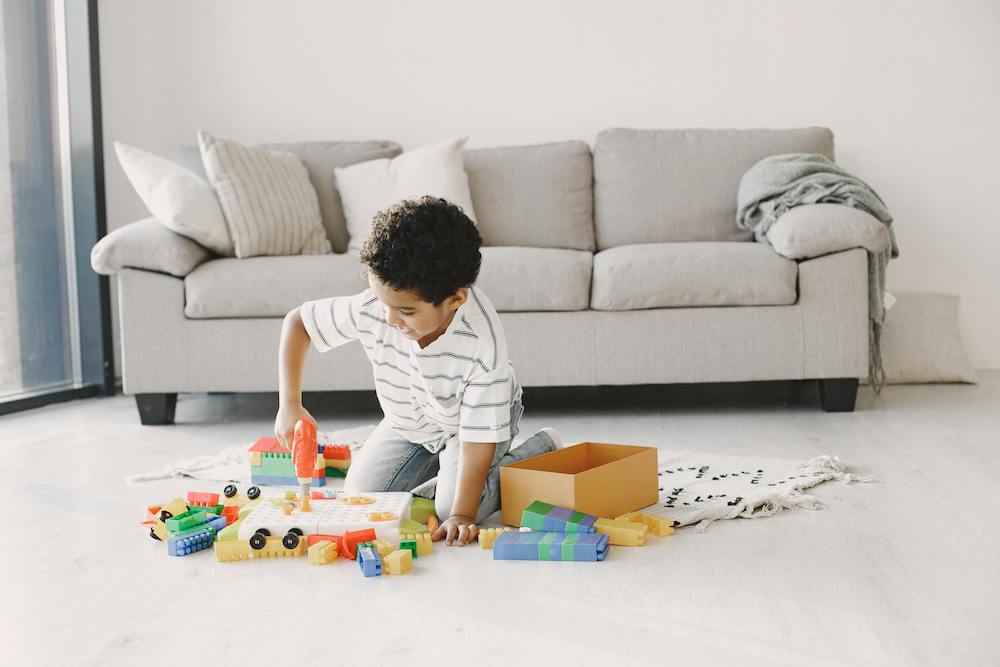
Parents know the struggle all too well: one moment the living room looks tidy, and five minutes later, it’s been transformed into a toy shop after a clearance sale. Finding ways to keep kids’ spaces functional and welcoming is no easy feat. But interestingly, some of the smartest tricks don’t come from parenting manuals—they come from retail design. Shops are masters of creating environments that flow, encourage interaction, and make people feel comfortable.
If you’ve ever walked through a thoughtfully designed shop, you’ve already experienced this in action. The way items are placed at eye level, the clear pathways, the themed zones—it all makes sense. Companies like Revolution Retail specialise in these kinds of layouts, and parents can borrow a few of their ideas to turn chaos into calm at home. The goal isn’t to mimic a store but to use simple principles that make kids’ spaces easier to manage and more enjoyable for everyone.
specialise in these kinds of layouts, and parents can borrow a few of their ideas to turn chaos into calm at home. The goal isn’t to mimic a store but to use simple principles that make kids’ spaces easier to manage and more enjoyable for everyone.
Why Shop Layouts Work So Well
Retailers spend years studying how people move through space. The result is design that feels natural without being obvious. Shoppers know where to look and how to navigate, often without even realising it. When you translate these concepts into a home environment, you give kids clear visual cues. It helps them know where things belong and how to use their environment with more independence.
At its core, a shop layout works because it’s designed for flow. Everything has a place, and the design quietly guides people through. For families, that same approach can turn a messy playroom into a space where kids can explore without leaving a trail of Lego mines behind.
Zones Make Life Easier
One of the most effective retail tricks is zoning. Shops group products into sections so people can find what they need quickly. Parents can use this same idea at home by creating zones for play, reading, art, and study.
Instead of one giant basket overflowing with random toys, you can give each area its own identity. A small rug can mark the play zone. A simple shelf with baskets might serve as the art corner. Even if space is tight, zones help kids recognise where activities happen.
When children understand zones, tidying up feels less overwhelming. They know exactly where their blocks go or where their pencils belong. It’s not about enforcing rigid rules—it’s about creating cues that make order feel natural.
Natural Sightlines for Kids
Shops use sightlines to show off products in an inviting way. Parents can apply the same idea by thinking about what kids see first. Place frequently used items at their eye level so they can access them without climbing or asking for help.
Books, puzzles, and soft toys can go on lower shelves. Craft supplies or small-piece games might be kept higher up—still visible, but out of constant reach. This approach makes daily use easier and teaches independence. Kids feel confident grabbing a book or putting toys away without adult assistance.
Easy-Reach Displays Encourage Use
In stores, items that are easy to grab sell more. At home, toys and tools that are easy to reach get used more often.
If you’d love your kids to read more, keep books within arm’s reach. If you want them to practice drawing, have paper and crayons ready in a small caddy. Accessibility invites engagement—a simple principle that can shift how often kids use their spaces.
Clutter-Free Displays Calm the Space
Retail designers know clutter overwhelms customers. Too much visual noise makes people less likely to engage. At home, clutter can overstimulate kids and add stress for parents.
A good strategy is to rotate toys rather than displaying everything at once. Keep a small number of toys in clear sight and store the rest. Swapping items every few weeks gives kids the feeling of something new without adding chaos.
Another trick: use clear bins or baskets with labels or pictures. When kids can see or recognise what’s inside, they’re more likely to return items to the right place.
Lighting and Flow Matter Too
Shops often use soft, layered lighting to create atmosphere. At home, you don’t need fancy spotlights, but good lighting makes a big difference. Natural light is best, especially in play or study spaces. Add a desk lamp or warm lamp in the reading nook to make the area feel cosy.
Flow matters as well. Avoid overcrowding with furniture. Give kids enough space to move freely between zones. The more open the flow, the easier it is for them to use the room.
Practical Tips Parents Can Try
Here are a few simple takeaways blending retail wisdom with family life:
-
Create zones using rugs, shelves, or colour themes.
-
Place favourite toys or books at eye level.
-
Rotate toys every few weeks to keep the space fresh.
-
Use clear bins or labels so kids know where items belong.
-
Keep spaces open for easy movement between zones.
These small changes don’t just keep things organised—they also make spaces feel welcoming and less stressful.
Bringing It All Together
The principles of retail design may sound like they belong in a store, but they translate beautifully into family homes. By zoning spaces, creating clear sightlines, and keeping displays simple and accessible, you can design a home environment that encourages independence and calm.
Kids will always make a mess—it’s part of learning and play. But when the setup supports flow and organisation, tidying up becomes easier, and the environment feels balanced. Taking cues from shop layouts is a clever way to give your family spaces that work harder for you while still feeling warm and inviting.