
Kiddipedia
Ever watched a toddler gleefully squish playdough between their fingers or burst into laughter at the sound of popping bubbles? What looks like innocent fun is actually a powerful form of learning. Sensory play—activities that stimulate a child’s senses of touch, sight, sound, taste, and smell—isn’t just about keeping them busy. It’s building their brain, one squish, splash, and giggle at a time.
In the early years of life, when the brain is developing faster than at any other time, sensory play becomes more than just entertainment—it’s a gateway to language, emotional regulation, social skills, and lifelong learning.
What Is Sensory Play?
At its core, sensory play is exactly what it sounds like: play that engages the senses. For babies and toddlers, that might mean feeling warm sand, listening to music, exploring different textures, or tasting new (safe!) flavours. It’s play with a purpose—and the purpose is whole-child development.
These experiences help children:
-
Process information
-
Strengthen neural connections
-
Develop language and motor skills
-
Learn how to self-regulate and focus
And they do it all while having fun.
Types of Sensory Play (And What They Teach)
🖐 Touch (Tactile Play)
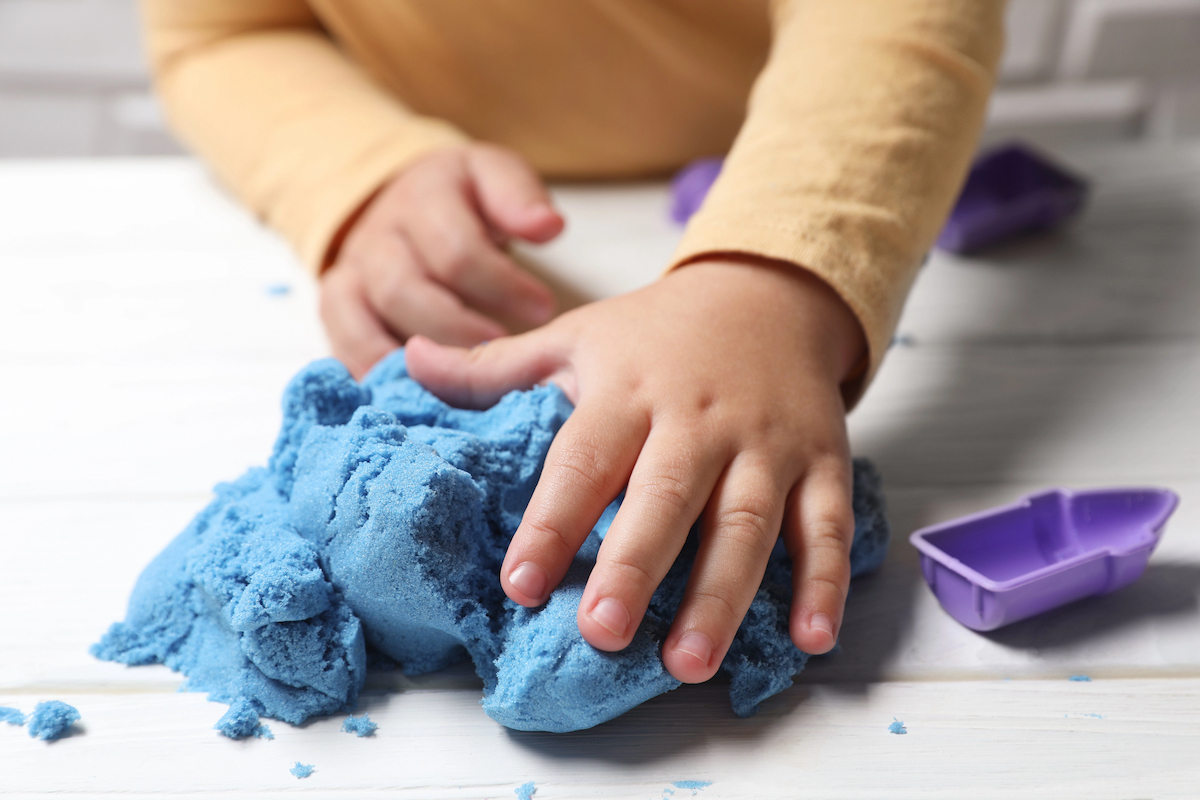
From squishing playdough to running hands through dry rice, tactile play builds fine motor skills and helps toddlers learn words like “soft,” “bumpy,” or “cold.” This kind of play also fosters early problem-solving as they scoop, pour, and manipulate materials.
👂 Hearing (Auditory Play)
Banging on pots, playing with musical toys, or listening to the wind rustling leaves—these experiences sharpen listening skills and support the development of phonemic awareness, which is crucial for speech and reading later on.
👁 Sight (Visual Play)
Bright colours, contrasting patterns, and matching games help toddlers make sense of the world visually. Visual play strengthens their ability to identify shapes, symbols, and sequences—important skills for early literacy and numeracy.
👃 Smell & 👅 Taste (Olfactory & Gustatory Play)
From smelling fresh herbs to tasting citrus fruit, sensory-rich experiences with scent and taste expand vocabulary and help children make associations—like lemon smells sour or cinnamon smells warm.
Why Sensory Play Matters for Language Development
Children don’t learn to talk from flashcards—they learn from experience. Sensory play provides rich, meaningful opportunities to connect language with the real world.
💬 Vocabulary in Context
When a child splashes water and hears the words “wet” or “splash,” they’re forming connections between sensations and language. That’s how vocabulary sticks.
🗣 Building Expressive Language
Sensory play encourages children to describe how they feel, what they see, and what they’re doing. Words like “sticky,” “cold,” or “bouncy” become part of their daily vocabulary, helping them communicate clearly and confidently.
🤝 Boosting Social Language
Many sensory activities are shared experiences. Whether playing in a sandpit or making mud pies with friends, children learn to take turns, ask questions, share ideas, and practise back-and-forth conversation.
The Science Behind the Sensory Magic
The early years are a critical window for brain development. During sensory play, the brain is hard at work building connections between sensory input and cognitive processes.
Research shows that when a child experiences a sensation and hears the corresponding word—say, feeling something soft while hearing “fluffy”—it strengthens both sensory processing and language acquisition. These multisensory connections support:
-
Better memory retention
-
Stronger comprehension
-
More effective communication
And for children with sensory processing challenges or language delays, these activities provide gentle, playful ways to reinforce learning.
Easy Ways to Add Sensory Play at Home (No Fancy Equipment Needed)
You don’t need expensive toys or curated Instagram setups to bring sensory play into everyday life. Some of the best tools are right in your pantry or backyard.
-
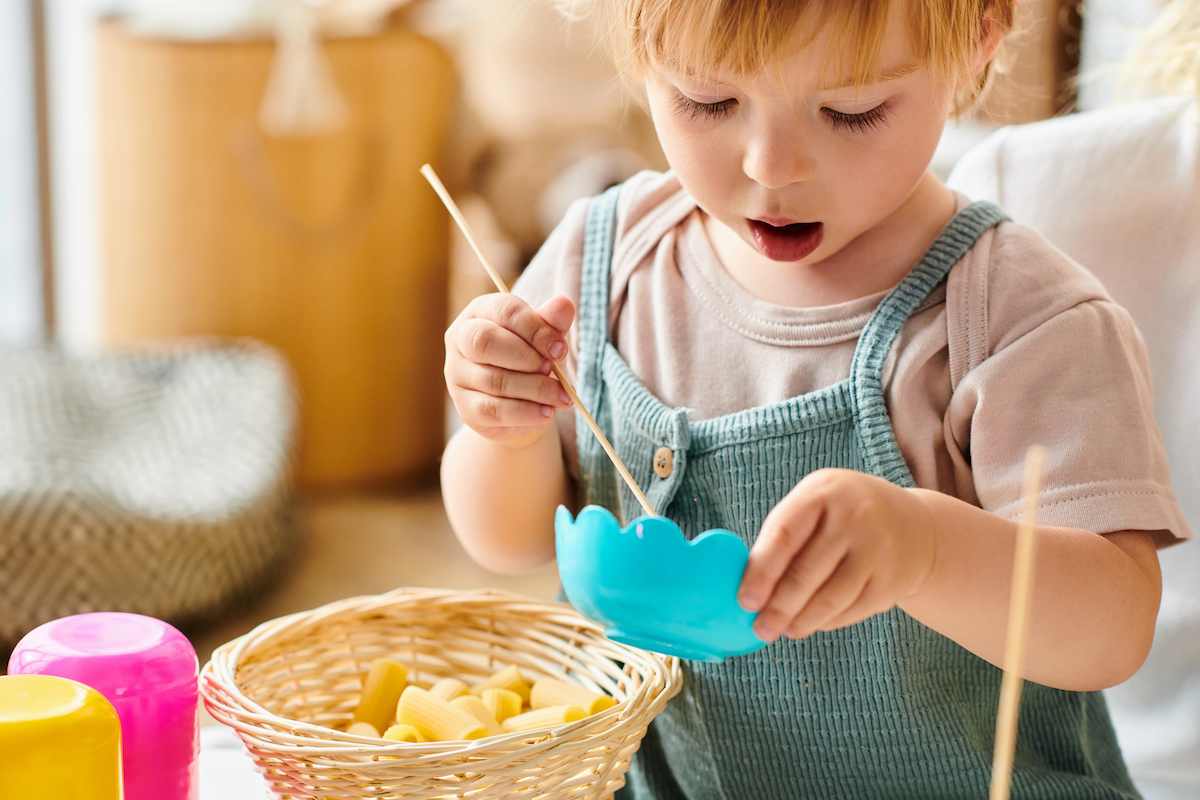
DIY Sensory Bins: Fill a tub with rice, pasta, or lentils. Add scoops, cups, and hidden treasures to find.
-
Water Play: Set up a bowl of warm water and let your child explore with sponges, toys, and cups.
-
Cooking Together: Let your toddler squish dough, smell spices, or feel different fruits and veggies. Cooking is a natural sensory playground.
-
Nature Walks: Collect leaves, feel the grass underfoot, or stop to smell a flower. Nature is the original sensory classroom.
Pro tip: Narrate their experience as they play. “That’s cold water!” or “You’re scooping fast!” adds language to every sensation.
Sensory Play and Language Delays: A Gentle, Effective Tool
For children with delayed speech or limited vocabulary, sensory play is often less intimidating than structured learning. It creates opportunities for:
-
Descriptive word learning (“soft,” “bumpy,” “cold”)
-
Interactive play with others
-
Encouragement of sound-making and verbal attempts
Even non-verbal children often start by using gestures and facial expressions during sensory play, which builds the foundation for communication.
Your Role: Supportive, Curious Co-Explorer
You don’t need to be a teacher or therapist to give your child the benefits of sensory play. You just need to be present.
👀 Observe
See what captures their attention. Do they prefer water over sand? Music over texture? Let their interests lead the way.
💬 Talk it Through
Use open-ended prompts like, “What does that feel like?” or “What happens if we mix these together?”
🧠 Vary the Experiences
Offer different materials, sounds, and environments over time to keep their senses—and their brain—engaged.
Final Thoughts: Let the Mess Be the Magic
Sensory play may leave glitter on the floor or spaghetti in the hair—but it also leaves lasting impacts on your child’s development. It’s through these playful, immersive experiences that toddlers learn to express themselves, connect with others, and make sense of the world.
So next time you hear the squish of slime or the clang of wooden spoons, smile. You’re not just watching play. You’re witnessing growth, connection, and the beginning of a beautifully expressive voice.