
Kiddipedia
Everyone has felt the pinch of rising living costs, especially when it comes to food shopping. Week after week, grocery bills keep creeping up — the average Australian household is now spending around $213.64 a week, an 11% increase from last year. Supply chain issues, labour shortages, and unpredictable weather aren’t making it any easier for families trying to put healthy, fresh meals on the table. Source
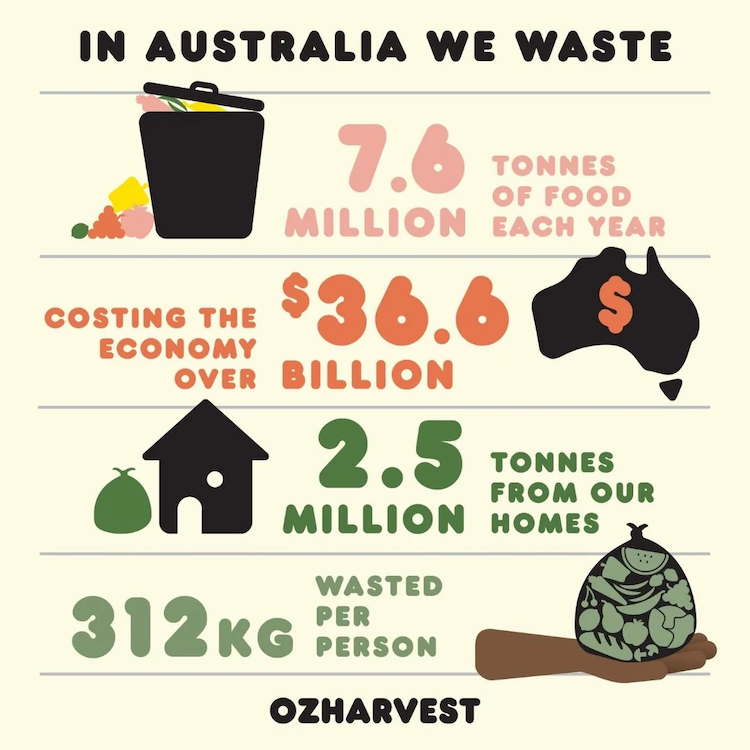
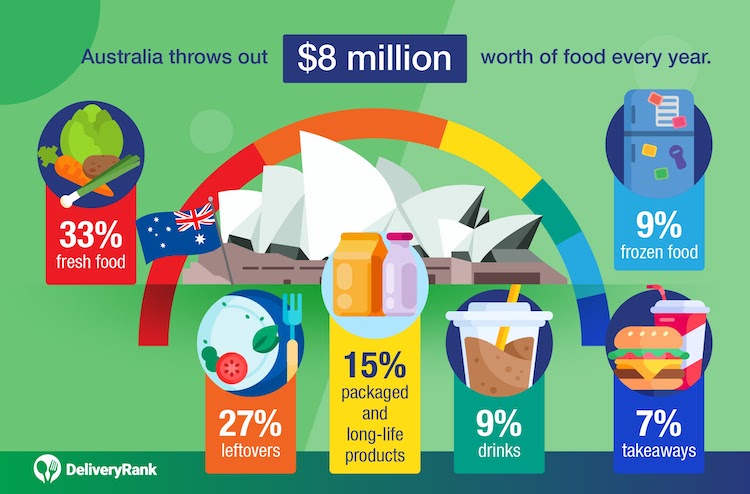
At the same time, food waste continues to quietly chip away at both budgets and the environment. Foodbank Australia reports that households throw away around $3,800 worth of food each year. That’s not just money lost, it’s food ending up in landfill, contributing to greenhouse gas emissions and environmental strain. Source
Now more than ever, families need practical strategies to get the most from every grocery dollar while reducing waste. By making a few intentional choices, it’s possible to feed loved ones well, save money, and help the planet, all at the same time.
1. Shop Local – Save with Seasonal Veggies
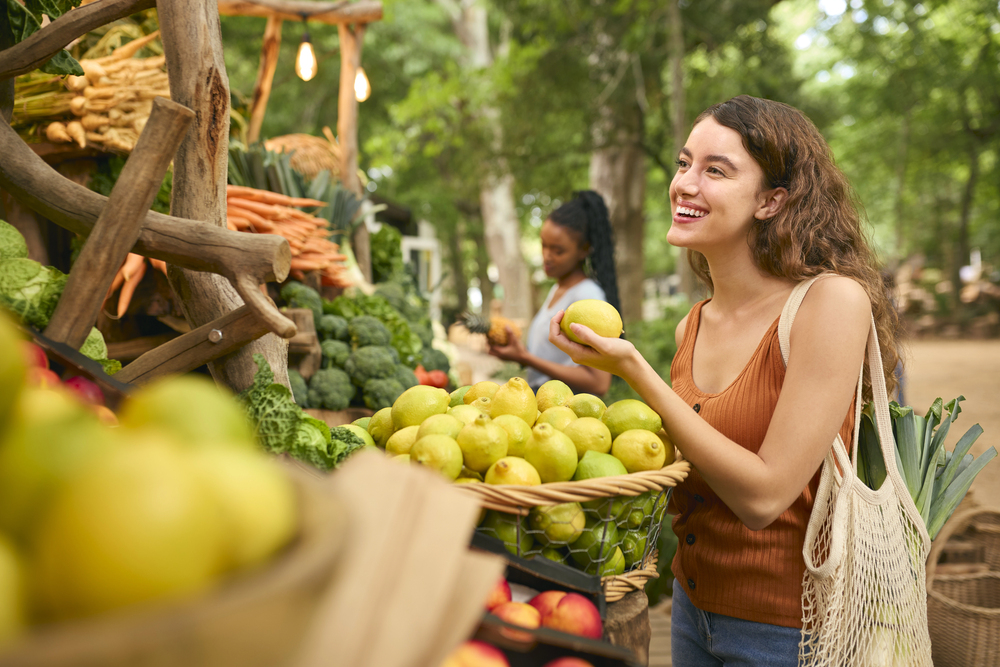
Visit your local open-air fresh food market, and if you don’t have one nearby, order a veggie box from your local fruit shop/grocer. Many of the price hikes are exclusive to the big chains, while fresh, in-season veggies are much more affordable locally. Local produce often travels fewer kilometres, meaning it’s fresher and higher in nutrients (CSIRO, 2022).
A lot of smaller farm delivery services now let you customise your box so you only get what your family will actually eat, no one wants 2kg of potatoes when they’re trying to hit keto targets!
👩👩👧 Family Tip: Unsure how to use “mystery” vegetables? Turn it into a fun challenge with the kids, ask them to help find recipes or try new flavours together.
2. Build Meals Around a Protein + Veg Framework
Instead of relying on complicated recipes and rigid meal plans, try working towards a protein plus veg framework.
Many quick and easy dinners can be created from a simple guide:
-
Rotate your proteins (chicken, fish, beef, legumes, tofu).
-
Add one starchy veg (potato, sweet potato, corn).
-
Add one green veg (broccoli, beans, spinach).
-
Add one colourful veg (carrot, capsicum, beetroot).
This method helps kids see variety on their plate and reduces fussiness — research shows children are more likely to accept vegetables when exposed in simple, repeated ways (NHMRC, 2021).
Coupled with a click-and-collect strategy for pantry staples, you’ll be able to stick to a budget more easily, avoid impulse purchases, and save time as well as money.
3. Give Your Fresh Food Some TLC
Once you get your fruit and veg home, spend some time giving it a bit of TLC so it stays fresh longer.
-
Wash and dry produce before storing.
-
Store delicate greens and herbs at the top of the fridge crisper so they’re seen and used first.
-
Chop carrots and celery into sticks for easy grab-and-go snacks or lunch boxes.
-
Make a big fruit salad in advance and cover with a beeswax wrap — fresher and less plastic waste.
🥦 Evidence: Storing produce correctly can extend its life by up to a week, cutting waste by 30% (Love Food Hate Waste, 2022).
4. Use Those Odds and Ends
Don’t leave half-used veggies to languish in the back of the fridge.
Seal things like cut tomatoes, broccoli stalks, and stray mushrooms in beeswax wraps or containers, then add them into risottos, stir-fries, casseroles, or soups.
Get savvy about what’s edible: cauliflower leaves can be cooked into soups or curries, carrot tops make great pesto, and pumpkin skin can be roasted until crispy.
👩🍳 Kitchen Hack: Have a “Friday night soup pot” where all the week’s odds and ends get blended into something delicious. Kids often enjoy guessing the “mystery ingredients.”
5. Get Smart About Storage
The natural preservation qualities of organic beeswax mean wraps act like a second skin, keeping fruit and vegetables fresher for longer.
A cut avocado wrapped in a beeswax wrap can last up to a week in the fridge, rather than browning after just a day. Reusable containers also help prevent forgotten mush at the bottom of the crisper.
🌏 Bonus: Reducing food waste also reduces methane emissions from landfill — meaning your storage hacks are a win for both your wallet and the planet.
6. Try Something New – Eat with the Seasons
Fruit and veg are often most expensive when they’re out of season. For example, lettuce prices soared in winter because it’s not a true cold-weather crop.
Keep an open mind and look for seasonal alternatives — they’re usually cheaper, fresher, and tastier. Swede makes a delicious mash, leek is fantastic in risottos, and fennel roasted alongside chicken is a family favourite in the making.
Almost any vegetable can be added to soup at the end of the week. A good stock, a splash of cream, and a quick blend can turn leftovers into a new comfort meal.
📅 Parent Tip: Print a seasonal produce chart for your fridge. It helps kids learn about nature’s cycles, and makes shopping more fun.
Your Family’s Fresh Food Action Plan
✅ Buy local, seasonal produce.
✅ Use a protein + veg framework for simple meals.
✅ Show your food some TLC with proper storage.
✅ Use up odds and ends before they spoil.
✅ Be adventurous with seasonal swaps.
By making small changes, you’ll stretch your food budget, waste less, and give your family fresher, healthier meals. And when kids grow up watching you cook creatively and mindfully, they’re more likely to carry those habits into adulthood.
References & Resources
-
-
Foodbank Australia — Food Security & Hunger Report (2023)
Report offering key insights into food insecurity and affordability for Australian households.
Foodbank -
Foodbank Australia — Food Waste Facts
Highlights national food waste volumes and economic impact in Australia.
Foodbank -
CSIRO — Food Waste & Food Insecurity in Australia
Explores the drivers of food waste and insecurity, toward circular economy solutions.
CSIRO -
CSIRO — Nutrition Research
Showcases CSIRO’s evidence-based nutrition programs and tools.
CSIRO -
NHMRC — Australian Dietary Guidelines (eatforhealth.gov.au)
Official guidelines using scientific evidence to inform healthy eating.
Eat For Health+1 -
NHMRC — Review of the Australian Dietary Guidelines (2026 update)
Provides context on the current review and expected updates.
NHMRC -
Love Food Hate Waste / BehaviourWorks Australia — Household Food Waste Research
Offers research on behaviours, attitudes, and quantified household food waste in Australia.
Love Food Hate Waste+1 -
Love Food Hate Waste (NSW) — “Australia’s most wasted”
Stats on the average Australian household food waste and cost.
Love Food Hate Waste -
Australian Institute — Food Waste in Australia
National-scale report on total food waste and economic cost.
The Australia Institute -
The Guardian (July 2025) — Reducing Your Food Footprint
Discusses the environmental impact of food choices and tips for more sustainable consumer habits.
The Guardian -
News.com.au (March 2024) — Costly Food Waste Mistakes
Highlights how wasted groceries cost Aussies up to ~$2,080 per year, focusing on fresh produce.
News.com.au
-
About the author:
Freyja Tasci is the founder of Apiwraps, Australia’s original beeswax wrap company. Freyja is on a mission to help Australian families reduce food waste and single-use plastics. Over the last nine years Apiwraps has helped more than 400,000 homes get rid of cling wrap, saving more than 10 million metres of single-use plastic wrap. The reusable Beeswax Kitchen Wraps create a waterproof barrier that breathes allowing food to stay fresh and crisp without sweating and spoiling. Apiwraps can be washed and used again for over a year.
NB: This article, first published in 2023, has been updated for 2025 with the latest data, insights, and family-focused strategies to help readers navigate today’s rising food costs and reduce household waste.