


kiddi
You might have seen those unmistakable pickleball courts popping up at tennis clubs and community centres across Australia. Your kids have probably noticed, too. Once known as a retiree sport, pickleball is now drawing whole families onto the court. Whether it suits your child depends on their age, energy and goals, so it helps to know the pros and cons before booking a first lesson.
What Makes Pickleball Different From Tennis?
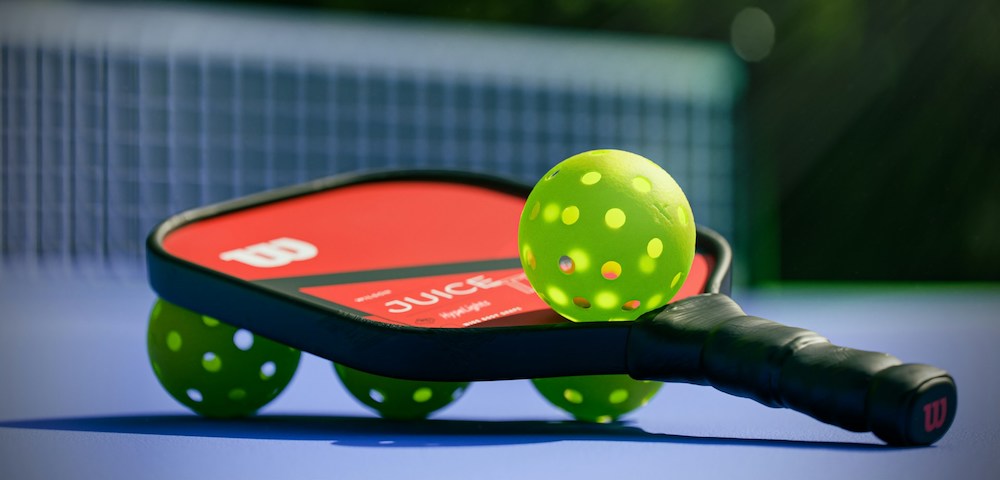
Picture a smaller tennis court, a lower net and a lighter paddle. Players hit a hollow plastic ball that moves slower than a tennis ball, so rallies last longer and kids spend more time hitting than chasing.
Serves are underarm, which helps beginners relax. Each side also has a “kitchen,” where players must let the ball bounce before hitting it. That rule stops taller kids from camping at the net and smashing every shot.
Games usually run to 11 points, and most families play doubles. For Australian parents raised on tennis, the rules click within a few minutes. Children often pick them up even faster.
The Benefits of Pickleball for Kids
Pickleball has some clear upsides for children, especially those who have drifted away from other sports. These are the ones parents tend to notice first.
Gets Them Moving Every Week
Australia’s guidelines ask children and teens aged 5 to 17 to get at least 60 minutes of moderate-to-vigorous activity every day. Very few manage it. In 2022, just 5.6% of Australian teens aged 15 to 17 met that target, according to national survey data.
Pickleball will not meet that target on its own, but a weekly lesson and a few family hits can add up. The small court keeps kids moving in short bursts, which suits younger children who lose interest during long drills.
Builds Coordination and Focus
Tracking a ball and timing a swing takes real concentration. In a 2022 study of 64 preadolescent children, racket-sport players had the most consistent reaction times and the fewest missed responses during a visual task. The findings suggest pickleball can complement team sports by building different skills.
Gives Quick Wins That Build Confidence
It can take months for a child to string together a proper rally. Pickleball often takes one session. The slower ball and short paddle make contact easier, so kids feel capable early.
That quick success matters. Beginner clinics often start with gentle underarm feeds before moving into mini-games, so kids are more likely to come back.
Brings the Whole Family Onto One Court
Few sports let an 8-year-old and a 45-year-old share a fair game. Pickleball does. Adults are taking it up fast too, so a Saturday hit can easily become a family habit. The Australian Sports Commission listed pickleball and padel among the fastest-growing physical activities for adults in its 2024-25 AusPlay data.
The Drawbacks Parents Should Consider
Pickleball is a strong option, but it has limits. A clear picture helps you decide whether it suits your child as a main sport or works better as an extra.
Most of the Research Focuses on Adults
A U.S. analysis of emergency department visits between 2013 and 2022 included players aged 4 to 93. Even so, older players were disproportionately represented among the injured. That is reassuring in one sense. It also means nobody has a full picture yet of how kids get hurt on the court. Common sense goes a long way, so warm up, wear proper court shoes and stop when something hurts.
Growing Bodies Need Variety
Children’s bones are still developing. A review of children’s injuries from racket sports notes that young players are susceptible to growth plate injuries because their musculoskeletal systems are still growing.
Playing one repetitive sport all year loads the same joints over and over. Mixing pickleball with swimming, footy or netball spreads that load and builds a broader set of skills.
Older Kids May Outgrow It Quickly
Some coaches and parents worry pickleball habits can clash with tennis technique. Short swings and net play work well in pickleball but less so on a full tennis court. Teens chasing competitive tennis may prefer it as a social extra, while others may outgrow the slower pace.
Hard Courts and the Aussie Sun
Most courts are outdoors on hard surfaces, and summer sessions heat up fast. Book early or late, pack a hat, sunscreen and water, and look for shade or indoor courts. Teach kids to stay balanced rather than dive for every ball.
How to Get Your Kids Started in Australia
Getting started is usually simple and affordable. A few practical steps can make the first sessions smoother.
Court access keeps improving. In the US, the sport grew by more than 58% between 2022 and 2023, and participation continues to climb as courts open at recreation centres and private clubs. Australia is following a similar path, with councils adding pickleball lines to existing tennis and multipurpose courts.
More courts mean shorter waits and more junior sessions close to home. Council programmes make a low-pressure first step. Cumberland Council in Sydney ran a free school holiday programme for kids at Berala Community Centre in July 2025.
In Perth, the City of Kalamunda offered junior school holiday pickleball sessions at Hartfield Park Recreation Centre during the same month. Before the first session, keep these basics in mind:
- Choose a light paddle: A smaller grip suits small hands and is easier on young wrists.
- Start with a coach: A short beginner block teaches safe footwork and the kitchen rule.
- Protect their eyes: Sports glasses are sensible for younger players near the net.
- Ask your local tennis club: Many now share courts with pickleball groups or run junior sessions.
Game On
Pickleball gives kids an easy entry into racket sports, plenty of movement and a game the whole family can share. It works best as part of a varied sporting week, not the only thing on the calendar. Start with a holiday programme or beginner class, watch the sun and footwear, and let your child’s enthusiasm guide what comes next. If they ask for a rematch, you have your answer.


