

📚 ❌ 𝐘𝐨𝐮𝐫 𝐜𝐡𝐢𝐥𝐝 𝐠𝐞𝐭𝐬 𝐚 𝐦𝐚𝐭𝐡𝐬 𝐪𝐮𝐞𝐬𝐭𝐢𝐨𝐧 𝐰𝐫𝐨𝐧𝐠. 𝐖𝐡𝐚𝐭 𝐝𝐨 𝐲𝐨𝐮 𝐝𝐨 𝐧𝐞𝐱𝐭?
Make it easier? Explain it again? Move on?
The truth is, 𝐚 𝐰𝐫𝐨𝐧𝐠 𝐚𝐧𝐬𝐰𝐞𝐫 𝐝𝐨𝐞𝐬𝐧’𝐭 𝐭𝐞𝐥𝐥 𝐮𝐬 𝐰𝐡𝐲 𝐚 𝐜𝐡𝐢𝐥𝐝 𝐢𝐬 𝐬𝐭𝐫𝐮𝐠𝐠𝐥𝐢𝐧𝐠.
They might have missed an earlier concept, forgotten something they once knew, need more practice — or simply need the same idea explained in a completely different way.
And as parents, we know this can happen. Sometimes you explain something one way and get that blank look… then suddenly, you say it differently and 𝐢𝐭 𝐜𝐥𝐢𝐜𝐤𝐬. 💡
So what if adaptive learning could look beyond whether an answer is right or wrong and start asking 𝐰𝐡𝐚𝐭 𝐢𝐬 𝐫𝐞𝐚𝐥𝐥𝐲 𝐡𝐚𝐩𝐩𝐞𝐧𝐢𝐧𝐠 𝐮𝐧𝐝𝐞𝐫𝐧𝐞𝐚𝐭𝐡 𝐭𝐡𝐞 𝐦𝐢𝐬𝐭𝐚𝐤𝐞?
Because helping a child learn isn’t always about making the work easier.
𝐈𝐭’𝐬 𝐚𝐛𝐨𝐮𝐭 𝐮𝐧𝐝𝐞𝐫𝐬𝐭𝐚𝐧𝐝𝐢𝐧𝐠 𝐭𝐡𝐞 𝐜𝐡𝐢𝐥𝐝. ❤️
Read why the future of adaptive learning may need to look beyond the answer. ❤️

Could your child’s ability to focus have less to do with trying harder… and more to do with what happens long before they walk into the classroom?
Every parent wants to help their child learn, concentrate and feel confident at school. But supporting a growing brain isn’t about finding a miracle food or the latest trend. It’s about understanding the powerful role that nutrition, sleep, movement and everyday family habits play in helping children thrive.
Backed by research, this article explores the key nutrients that support healthy brain development, why sleep may be one of the most overlooked learning tools, and the simple, realistic changes that can make a lasting difference.
Because when children are given the right foundations, they’re better equipped to learn, grow and reach their full potential.
Read the full article now

As a psychologist, I’m increasingly concerned about something quietly impacting our children’s behaviour, mood, motivation—and mental health. Sleep.
It’s often overlooked, yet sleep is where the brain develops, emotions regulate, and learning consolidates. When kids and teens aren’t getting enough, it’s not just tiredness we’re seeing—it’s anxiety, irritability, poor focus, and emotional overwhelm.
And teenagers? They’re not being “lazy.” Their biology is shifting, and most are operating in a constant sleep debt they can’t easily escape.
Before we label behaviour… it’s worth asking: are they actually getting enough sleep?
Read the full article to understand what’s really happening—and what parents can do.

Summer is in full swing with its long, sunny days, warm evenings, and opportunities to relax and recharge. For parents, it’s also a time to find meaningful ways to keep kids engaged and learning while they enjoy their break. One… Continue Reading >
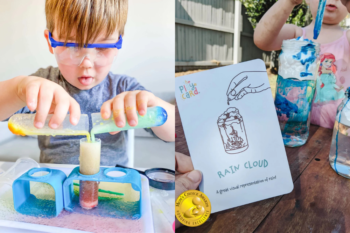
Would you agree that one of the best ways to observe and appreciate children’s growth and development is by noticing what captivates their interest during playtime? Witnessing your child’s curiosity and creativity flourish in these early years is truly a… Continue Reading >

By Julie Medeiros If you are a new parent, one of many questions you may have is about preparing your little one for school. In this article, we’ll explore which skills kids learn at school from prep to year… Continue Reading >

With holidays around the corner teachers everywhere are excited to breathe, relax and take a break. Reports are written, half of the year is gone and the second half is already planned out. It’s an exciting time. Holidays mean family… Continue Reading >

In today’s world, where inclusivity and sustainability intersect, the importance of high-quality educational tools and toys, along with sensory processing aids, for children with special needs cannot be overstated. As we navigate the complexities of supporting children with Autism, Anxiety,… Continue Reading >

Ever felt a little lost in class? Almost everyone has at one point or the other. Getting academic assistance in Melbourne can sometimes be demanding. Having the right support can make a big difference whether you’re trying to perfect your… Continue Reading >

Never has digital technology been more widely used and integrated into education than today. The Educator Online’s report on educational technology (ed-tech) highlights how Australian schools have facilitated the continuity of teaching and learning despite disruptions in the past two years, mainly… Continue Reading >
Get parenting advice and support delivered right to your inbox
We'd love to hear what you think of the website, so we can continue to improve it . . . GIVE YOUR FEEDBACK >