

📦🏡 For you, it’s moving house. For your child, it can feel like their whole world is changing.
Their bedroom is packed into boxes. Their familiar routines disappear. Their friends are left behind. And suddenly, they’re expected to feel excited about a new home, a new school and a whole new world.
But here’s the thing…
💛 You can make moving feel very different for your child.
From knowing when to tell them about the move, to giving them a real job on moving day, keeping their favourite things close and making sure their bedroom is ready first — the small things can make a surprisingly big difference.
And one of the most important parts happens AFTER the removal truck leaves…
Because settling into a new home, finding friends and feeling like they belong takes time.
If you’re moving with kids, or planning a move soon, this is one article you’ll want to read before the boxes are packed.
👉 Discover what actually helps children feel safe, involved and at home after a move.

When a family changes, children can feel it in ways they don’t always have the words to explain. 💔
Separation can bring big emotions, uncertainty, two homes, changing routines and questions that are sometimes hard for parents to answer.
But you don’t have to make separation painless to help your child feel safe, loved and secure.
From what to say — and what not to say — to managing routines, conflict, parenting arrangements and those moments when your child says, “I don’t want to go”, this guide offers practical, compassionate advice for parents trying to navigate one of life’s hardest transitions.
Because sometimes, the most important thing your child needs isn’t a perfect parent or a perfect arrangement.
They just need to know: “I’m loved. This isn’t my fault. And I’m going to be okay.” ❤️

When we sit down to watch the footy with our kids, we want them to see the game — not a constant stream of messages telling them that betting is part of it. 🏉❤️
And during our current National Child Protection Week, running runs 6–12 September 2026, it’s a timely question for parents to ask: what are our children seeing, hearing and learning from the world around them?
For many Australian families, gambling has become increasingly woven into the sporting experience — from betting odds and promotions to gambling brands appearing alongside the teams and players children know and love.
But that’s about to change.
From 2027, new gambling advertising reforms will change what families see around live sport. While gambling messages won’t disappear completely, the changes are designed to reduce children’s exposure to wagering advertising during sport.
This year’s National Child Protection Week theme, “Every Conversation Matters: Shifting Conversation to Action,” is a powerful reminder that protecting children isn’t only about what we do when something goes wrong. It’s also about the everyday environments we create around them — and the messages they absorb along the way.
So, what will your family actually notice when Footy 2027 arrives? What gambling messages might kids still see? And how can parents help children recognise the sales pitch behind them?
We break down what Australian parents need to know.
#NationalChildProtectionWeek #EveryConversationMatters #GamblingAds #Footy2027 #AustralianParents #Parenting #ChildSafety #KidsAndSport #FamilyFooty #GamblingAwareness #MediaLiteracy #DigitalLiteracy #AustralianFamilies #FamilySafety #ParentingAdvice
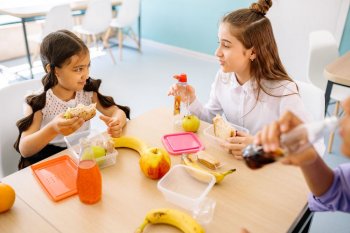
Could your child’s ability to focus have less to do with trying harder… and more to do with what happens long before they walk into the classroom?
Every parent wants to help their child learn, concentrate and feel confident at school. But supporting a growing brain isn’t about finding a miracle food or the latest trend. It’s about understanding the powerful role that nutrition, sleep, movement and everyday family habits play in helping children thrive.
Backed by research, this article explores the key nutrients that support healthy brain development, why sleep may be one of the most overlooked learning tools, and the simple, realistic changes that can make a lasting difference.
Because when children are given the right foundations, they’re better equipped to learn, grow and reach their full potential.
Read the full article now
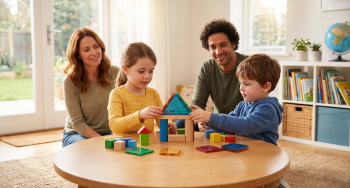
💛 Separation changes a family, but it doesn’t have to change how deeply a child feels loved.
When a relationship ends, parents are often navigating heartbreak, uncertainty, financial pressures and countless life-changing decisions. But for children, the biggest questions are much simpler: *”Am I still safe? Am I still loved?”*
This heartfelt article explores how keeping children at the centre of every decision can help protect their emotional wellbeing during one of life’s biggest transitions. From maintaining familiar routines and recognising the many faces of grief to shielding children from adult conflict, these compassionate, practical insights can make a lasting difference.
Because while families may look different after separation, children still need the same things they’ve always needed—to feel safe, secure, heard and deeply loved.
Whether you’re navigating separation yourself or supporting someone who is, this is an important read.
❤️ Every child deserves to know: *”This isn’t your fault, and you are loved beyond measure.”*
Read the full article now.

The first five years shape a lifetime. 💛
Did you know that by age five, around 90% of a child’s brain development has already taken place? The relationships, care, and everyday interactions children experience during these early years help build the foundations for learning, confidence, resilience, emotional wellbeing, and future success.
Choosing childcare isn’t just about convenience — it’s about finding caring adults who help children feel safe, seen, heard, and understood.
Discover why childcare quality matters far more than many parents realise, and how the right support can make a lasting difference in a child’s development.
Read the full article now.

It often starts with a simple sentence on a school morning:
“Mum, my stomach really hurts.”
But what if it’s more than just cramps?
For thousands of girls, period pain can mean missed school days, difficulty concentrating in class, sitting out sport, avoiding social activities, and quietly struggling through lessons every month.
Because period pain is so common, it’s often brushed aside as something girls should simply learn to live with. Yet when pain begins affecting attendance, learning, confidence, sleep, or wellbeing, it deserves to be taken seriously.
This article explores the signs that period pain may be impacting your child’s education, what’s considered normal, when to seek medical advice, and how parents can help their daughters feel supported, comfortable, and confident at school.
No child should have to choose between managing pain and participating in the moments that shape their childhood.
Read more.

Ever asked your child how school was… and quietly wondered if they actually went to the toilet?
You’re not alone.
New insights show almost half of Australian kids aged 3–8 are holding on at school — not because they’re being difficult, but because their bodies don’t yet feel safe enough in a new environment.
If your child is avoiding the school toilet, this isn’t a behaviour problem… it’s a nervous system response.
The good news? There are gentle, practical ways to help them feel safe, relaxed, and confident again.
I’ve broken it all down in this parent-to-parent guide — grounded in research, real-life experience, and simple strategies you can start today.
💛 Read the full article

When was the last time you really talked with your child… not just asked how their day was, but actually connected to what they’re thinking and feeling?
In a world full of screens, noise, and constant stimulation, its easy to lose the art of initiating conversation and really talking with our kids. Those quiet, heart-to-heart conversations are becoming more powerful than ever.
To help, we’ve created a collection of age-specific, thought-provoking questions designed to open up real conversations, helping children feel seen, heard, and deeply connected.
From laughter at the dinner table to those unexpected “wow, I never knew that about you” moments… this is about slowing down and truly tuning in.
💛 Because connection isn’t built in big moments.
It’s built in the small questions we ask every day.
👉 Read the full article and discover 200 conversation starters that bring families closer.
Get parenting advice and support delivered right to your inbox
We'd love to hear what you think of the website, so we can continue to improve it . . . GIVE YOUR FEEDBACK >