
Kiddipedia
Smart Glasses and Kids Safety: What Parents Aren’t Talking About (But Should)
Smart glasses, wearable tech that looks like ordinary eyewear but can record, livestream, and even use AI, are suddenly widespread. While the convenience and innovation are exciting, these devices also introduce new safety risks for kids and teens that many families aren’t talking about yet.
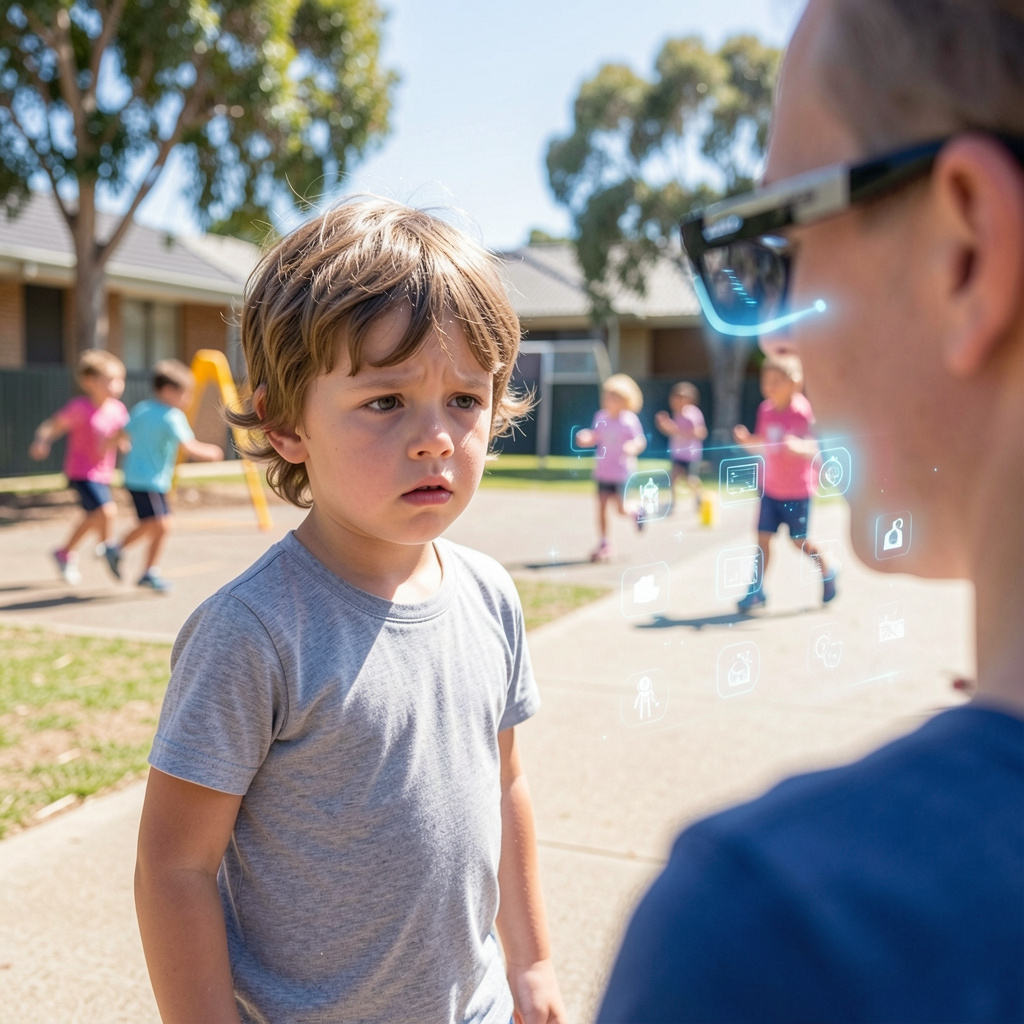
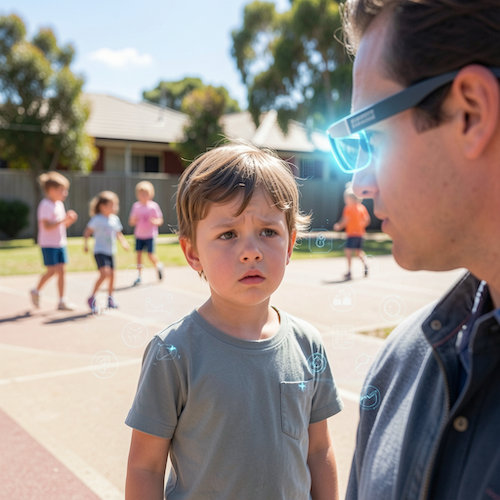
Did you know that Smart Glasses can tell a stranger your child’s name, their school, and where they live – in 90 seconds. This can occur when the devices are paired with facial recognition technology. This is even more reason to keep your children’s pictures with their names completely off the internet to help minimise this risk.
This article cuts through hype and fear, giving you clear, research‑grounded information and practical guidance on how smart glasses can affect your child’s privacy, emotional well‑being, physical safety and situational awareness. It leans on Australian research, expert warnings and real legal context so you can make informed decisions and have age‑appropriate conversations with your children.
**What Are Smart Glasses?
And Why They’re Different from Phones or Wearables**
Smart glasses look like normal sunglasses or prescription eyewear, but they can:
-
Record photos and video with tiny built‑in cameras.
-
Capture audio through discreet microphones.
-
Run apps, connect to phones or Wi‑Fi, and potentially livestream what the wearer sees.
-
Use AI features for voice interaction and object recognition.
Unlike a mobile phone held in someone’s hand, these devices sit on a person’s face — making recordings far less obvious and consent harder to perceive and for people around them to detect. According to recent reports on Meta’s Ray‑Ban Meta glasses and similar devices, this discreteness raises valid privacy and ethical concerns. This has big implications for children’s privacy and safety.
1. Hidden Recording: A Real Concern for Children’s Privacy
A big part of the unease around smart glasses is their ability to capture moments without attention being drawn to that fact.
Why This Matters for Parents
-
Children can be recorded without their knowledge or consent, in public spaces or private settings, whether at school, playgrounds or social gatherings.
-
Footage could end up online, shared or analysed long after it was taken.
-
Discreet cameras blur the social cue that someone is being filmed.
- Some users even report ways to mask recording lights designed to show when the device is active.
Digital technologies experts in Australia warn that because these glasses look like everyday eyewear, they can be much harder to detect than phones, especially for younger kids who may not notice or question it.
For kids, this isn’t just privacy, it’s about emotional and psychological safety. Being filmed without consent can feel invasive, unsettling, and can undermine a child’s sense of autonomy and trust.
2. Legal Landscape: What Australian Law Says (And What It Doesn’t)
Australia’s laws around smart devices and recording are evolving, but they’re not always clear or protective of children’s safety.
- Several states now treat recording devices seriously: In New South Wales, early learning centres must ban personal digital devices, including smart glasses used for recording without explicit parental consent, when working with children unless authorised
- Australia does not currently guarantee a broad legal right to privacy in public, meaning covert recording with these devices in public spaces may not be illegal even if it feels intrusive.
- The Children’s Online Privacy Code is being rolled out nationally to strengthen protections around kids’ data online, which may eventually affect how data from smart wearables is handled.
-
State surveillance laws (such as South Australia’s Surveillance Devices Act) make it unlawful to record private conversations without consent, in most cases.
-
However, privacy expectations in public spaces tend to be minimal under current federal law, meaning recording with smart glasses isn’t always illegal if no private conversation is involved.
-
The Children’s Online Privacy Code is being introduced to strengthen protections for kids on digital platforms, which may affect how data from devices like smart glasses can be used in future.
What This Means for Your Family
Even though new laws are emerging, gaps remain, particularly around public recording and data use by individual device users. That’s why proactive family rules and conversations are essential for safety.
3. Peer Misuse Is Already Happening — And It Matters
Australian research shows smart glasses are already being used in ways that pose real safety and ethical issues.
-
Around 17% of users admitted to recording people without consent or using the devices in prohibited areas.
-
Around 13–33% reported using smart glasses in unsafe situations, like while driving or cycling — behaviours that are clearly hazardous.
-
Younger age groups reported the most frequent use in both risky and privacy‑invasive ways.
Real Behaviour, Real Risks: Peer Misuse and Dangerous Use Patterns
These patterns aren’t hypothetical. When children or teens use smart glasses without awareness of safety or consent norms, it can lead to accidents, emotional harm, conflict, and breaches of trust.
4. Classrooms, Camps and Childcare: The Unique Vulnerabilities
Research in Australian schools highlights that many education settings haven’t yet updated policies to address smart glasses, even though the devices are becoming affordable and increasingly used.
Experts warn that smart glasses could turn classrooms, once considered safe spaces, into environments where recording and livestreaming happen without clear rules, with potential for misuse, harassment or deepfake creation.
Before allowing smart glasses in school settings:
-
Ask school leaders whether they have clear policies on smart eyewear.
-
Confirm if the school prohibits covert recording or livestreaming without consent.
-
Understand how they address privacy breaches or misuse.
These steps are part of keeping your child’s physical and social safety protected.
With smart glasses still new and policies lagging, many schools and childcare services haven’t yet addressed how to handle them.
-
Education experts warn that the covert nature of these devices could turn safe learning spaces into inadvertent surveillance zones unless explicit policies are in place.
-
In NSW, early learning rules now ban personal devices capable of capturing or transmitting images unless they’re authorised and used with parental consent.
Tip:
Before your child wears or brings smart glasses to school, ask the school:
“Does the school have a policy on smart glasses and wearable devices, and what measures are in place to protect students’ privacy and safety if these devices are used on campus?”
5. Data Collection, Storage, and Big Tech Realities
Smart glasses don’t just record data, they can influence how children feel in public spaces.
Many children report that simply thinking they could be filmed — especially without knowing — can:
-
Increase anxiety in social situations.
-
Reduce confidence when interacting with peers.
-
Lead to avoidance of activities.
Making sure children know their rights to personal space and consent helps support emotional safety as much as it does digital privacy.
Also, these devices don’t just capture video, they often connect to phones, cloud services and AI systems.
Here’s why that matters:
-
Recorded footage can be uploaded and stored on corporate servers.
-
AI features may analyse visual and audio data, potentially indefinitely.
-
Some systems allow humans to review recordings to train AI — raising further privacy concerns (this has been an issue with other AI-enabled wearables and platforms globally).
Even if these processes are lawful, they raise questions about visibility, consent, and long‑term data use.
6. Talking to Your Kids About Smart Glasses—Without Fear
Start early, keep it simple, and make it a conversation, not a warning.
Here’s how:
✅ Explain what smart glasses can do — in plain language (“They’re like tiny cameras on someone’s face.”)
✅ Talk about consent — make sure your child knows they should say “no” if they feel uncomfortable.
✅ Make it contextual — “Just like you wouldn’t film someone in a private place with your phone, the same goes for glasses.”
✅ Empower, don’t scare — help kids recognise unsafe situations without creating tech fear.
To make these conversations even easier, we’ve put together a Smart Glasses Conversation Starter Guide. It breaks down practical strategies, tips, and activities by age group so you can help your child understand privacy, consent, and safety — all in a calm, parent-to-parent way.
Smart Glasses Conversation Starter Guide for Parents: Helping Your Child Stay Safe Online and Offline
Goals
-
Help children understand smart glasses and privacy risks in an age-appropriate way.
-
Teach respect for consent, personal boundaries, and digital etiquette.
-
Reinforce critical thinking, situational awareness, and safe decision-making.
-
Encourage open dialogue without fear or shame.
Ages 5–8: Early Awareness
Focus: Basic understanding of devices, personal space, consent, and intuitive safety.
Tips:
-
Keep it very simple and concrete.
-
Use analogies: “It’s like having a tiny camera in someone’s hand, but on their face.”
-
Focus on safety, choice, and personal comfort, rather than technical detail.
Conversation Starters:
-
“Some glasses have tiny cameras in them. That means they can take pictures or videos, even without you noticing. How would you feel if someone did that to you?”
-
“If someone is wearing glasses like that, do you think it’s okay for them to film or take photos without asking?”
-
“Remember, you don’t have to share your photo or say yes if someone asks. It’s your choice.”
-
“If you feel uncomfortable around someone filming, what could you do to stay safe?”
Follow-Up Questions:
-
“Who could you tell if something makes you feel unsafe?”
-
“Where is a safe place to go if you don’t want to be near someone filming?”
Activities:
-
Roleplay asking permission and saying “no” politely but firmly.
-
Show pictures of smart glasses so children know what to look for.
-
Play a “safe/unsafe scenario” game: identifying when to move away or tell an adult.
Ages 9–12: Growing Understanding
Focus: Privacy, consent, peer pressure, social responsibility, and situational safety.
Tips:
-
Explain real-life scenarios at school, playgrounds, or public spaces.
-
Discuss peer misuse, social media sharing, and respect for others’ boundaries.
Conversation Starters:
-
“Smart glasses can record people without them knowing. That’s why it’s important to always ask before taking someone’s photo or video.”
-
“Imagine you’re at school and someone is filming — how would you want them to ask first?”
-
“What could happen if a picture or video ends up online without your permission?”
-
“How can you stay safe if someone’s filming in a way that makes you uncomfortable?”
Follow-Up Questions:
-
“What would you do if you felt watched while walking home or at the park?”
-
“Who could you go to if a peer’s filming made you feel unsafe?”
-
“How do you know if a place is safe to use smart glasses?”
Activities:
-
Discuss case studies (school bans, peer misuse, cyberbullying).
-
Create a “Consent and Safety Checklist”: ask first, respect ‘no’, never share without permission, stay alert, trust your feelings.
-
Practice safe responses to unwanted filming: moving away, telling a trusted adult, or blocking devices if possible.
Ages 13–15: Teen Digital Literacy
Focus: Critical thinking, online safety, AI, privacy law awareness, and situational awareness.
Tips:
-
Teens can understand apps, location tracking, livestreams, and digital footprints.
-
Emphasise empowerment, decision-making, and linking privacy to personal safety.
Conversation Starters:
-
“Smart glasses can livestream video and audio. Even if they look like normal glasses, someone could be recording. What’s your strategy for protecting your privacy?”
-
“Some devices track your location and activities. How do you feel about companies storing that info?”
-
“If you see someone using smart glasses in a way that makes you uncomfortable, what would be a safe response?”
-
“How do you know if sharing a photo or video online could affect your safety?”
Follow-Up Questions:
-
“What steps could you take if someone is filming in a private space or an unsafe way?”
-
“How would you respond if a friend or classmate shares your photo online without consent?”
-
“What safety habits should you practice when walking or travelling alone?”
Activities:
-
Explore device privacy settings together (disable location tracking, adjust sharing settings).
-
Discuss how AI might analyse recordings and create predictive profiles.
-
Encourage teens to teach a friend about safe usage — reinforces learning.
-
Roleplay scenarios: spotting misuse, maintaining boundaries, reporting breaches.
Ages 16–18: Teen Responsibility & Advocacy
Focus: Leadership, ethics, digital citizenship, and advocacy for themselves and peers.
Tips:
-
Discuss Australian laws (recording, consent, privacy) and responsibilities.
-
Encourage teens to set personal boundaries and help others understand safe technology use.
Conversation Starters:
-
“Smart glasses can create permanent digital records. How do you decide what to record or share?”
-
“If a friend is recording without permission, what’s the safest and most respectful way to respond?”
-
“How does your digital footprint affect your privacy — and your friends’?”
-
“What steps can you take to protect yourself and others from unsafe recording?”
Follow-Up Questions:
-
“Who in your school or community could you go to for support if someone misuses smart glasses?”
-
“How could you help others understand privacy and safety rules?”
-
“What’s your plan if you feel unsafe in a public or social situation?”
7. Practical Safety Tips for Parents
Here are sensible steps you can take right now:
✔ Show your children what they look like. Search “Meta Ray-Ban smart glasses” together. They need to know what they are looking for.
✔ Android users — download Nearby Glasses. Free app. Detects smart glasses nearby via Bluetooth and alerts you immediately. iOS version is coming — follow it and download it as soon as it’s launched
✔Ask your school/childcare about their smart glasses policies.
✔ Remind children that recording someone without consent isn’t respectful or acceptable.
✔ Reinforce situational awareness: staying alert in public places protects both privacy and physical safety.
✔ Talk about device use and social etiquette — what’s appropriate, what’s not.
8. The Future Really Is Happening, And Parents Should Lead the Conversation
Smart glasses are exciting technology; they help people connect, capture moments and access information. But innovation without safety isn’t progress. Just as we teach kids to look both ways before crossing a road, we now need to teach them how to navigate technology that blurs lines between private and public, seen and unseen.
By combining knowledge, thoughtful family rules, and clear conversations, you can help your child grow up tech‑confident, privacy‑aware and safety‑focused.
These devices bring real benefits, from hands‑free photos to assistive features for people with disabilities, but they also introduce privacy, social and safety risks that simply didn’t exist with past technology.
This isn’t about scaremongering. It’s about awareness, respect, and protection.
By understanding how these devices work, staying informed about laws and policies, and talking openly with your kids, you can help them navigate this new world with confidence, not fear.
Australian Resources You Can Use
-
Office of the eSafety Commissioner Research Hub – evidence on online safety and privacy.
-
Children’s Online Privacy Code (OAIC) – new protections for teens and children online.
-
State surveillance laws – check your local Surveillance Devices Act for recording rules.
Extra Tips
-
Start safety conversations early and revisit often: Technology evolves, so discussions should too.
-
Use real examples, not fear: Stick to facts, Australian policies, and relatable scenarios.
-
Encourage open dialogue: Ask children how they feel and listen without judgment.
-
Model good behaviour: Ask permission before recording, and show healthy privacy practices.
-
Empower, don’t scare: Teach awareness, critical thinking, and confidence.
-
Link tech awareness to personal safety: Emphasise situational awareness, trusting instincts, staying with groups, and safe exits.
References
All claims and concerns in this article are grounded in Australian research, laws and expert commentary: