
Kiddipedia
Summary: New research by Act for Kids reveals 41% of children aged 10–16 prefer spending time with their families in person, compared to just 15% who would rather be online. The survey also found that most children feel most connected when talking face-to-face, leading to the launch of Act for Kids’ campaign, Let’s Connect IRL (In Real Life), which encourages adults to strengthen real-world connections with kids while also engaging with them positively online.
Let’s Connect IRL: What Kids Really Want
Stereotypes vs. Reality
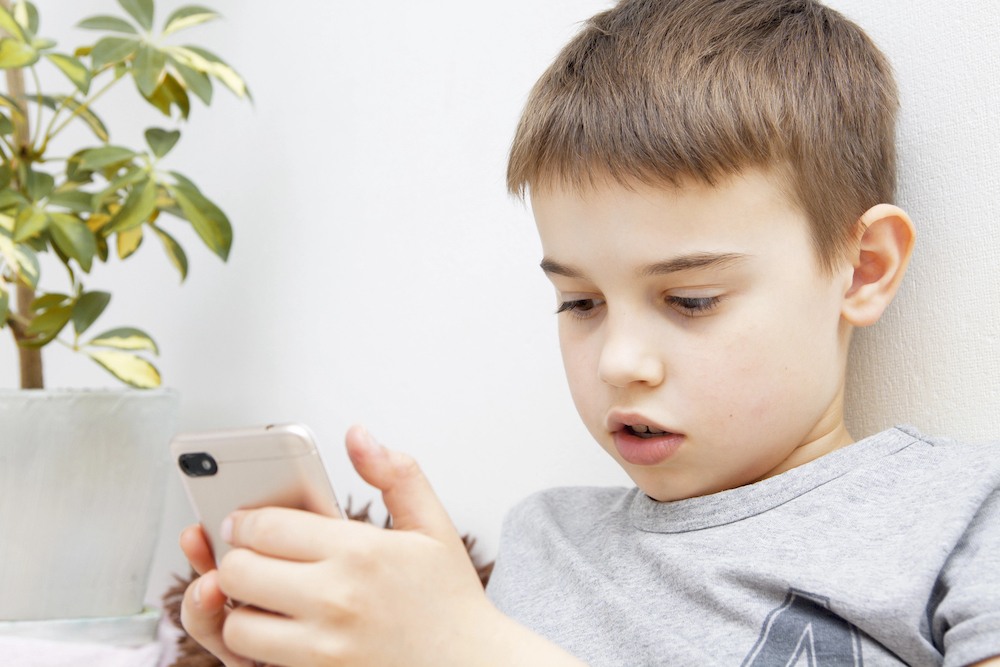
When it comes to children displaying overreliance on screens, many of us have heard the common phrases used to describe them: iPad kids, screen addicts, or tweens swept up in followermania.
Society tends to stereotype all children as being this way.
But what if I told you that more children aged 10 to 16 prefer to spend time with their families in person compared to being online?
That’s exactly what new research commissioned by child protection organisation, Act for Kids, has found.
What the Research Reveals
A survey of more than 300 children aged 10 to 16 revealed:
-
41% would rather connect with family in real life.
-
Only 15% preferred to spend time online.
-
An overwhelming 76% felt most connected to their family when talking in person about their day.
-
Nearly 46% spend more than one hour per day talking to someone online.
This research provides remarkable insights into children’s online habits and comes at a critical time ahead of social media age restrictions being enforced in Australia for those aged under 16 years.
The results of the survey informed a Child Protection Week campaign from Act for Kids, called Let’s Connect IRL (In Real Life).
The Campaign: Let’s Connect IRL
Co-designed by children, the campaign encourages adults to consider how they can increase positive connections through incidental everyday moments with kids in their lives in a fast-paced digital world.
This also includes spending time together online.
Children’s Voices on the Online World
And if the survey results haven’t convinced you enough, here’s what some of the children who co-designed the campaign told us about how they feel about the online world:
“I think (the online world) makes me feel a bit insecure because people are being bullied online and that’s not OK.” — Saanvi, 12
“It is actually very important for a parent to make sure their child is OK with social media, especially TikTok, Instagram, Snapchat … they can impact a child’s brain very severely if they’re not using it in the right way.”
“The online world is really exciting because you can learn new things and play cool games. But sometimes it feels too fast and I think it’s really easy to forget to enjoy the real world.” — Teanna, 10
More Insights from the Survey
Interestingly, the research also found:
-
Nearly 74.3% of children felt positive about their close adult being in the same room while they were online.
-
17% said they felt safer when an adult was present.
-
Yet only 10% reported always having an adult in the same room when they’re online.
This gives us enormous insight into how parents and carers can help keep their kids safe online by simply being in the same room as them when they are on devices.
How Adults Can Foster Meaningful Connections
Practical ways adults can connect with kids IRL:
-
Make the most of incidental moments — such as driving in the car.
-
Ask open-ended questions — e.g., “What was the best part of your day?” or “What was your least favourite part?”
-
Engage in their online world — ask them what they like to do online, and join them.
-
Find alternatives to social media — offer activities that bring a sense of connection ahead of the upcoming age restrictions.
-
Host activities with kids and their friends.
-
Focus on quality, not quantity — short, meaningful moments can be just as impactful as long periods of time.
Final Thought
I know that most people are time-poor and juggling many competing demands, but we all have the time and ability to simply listen to kids’ voices.
Instead of stereotyping kids, why not take the time to ask them how they would prefer to connect. You might just be surprised by their response.
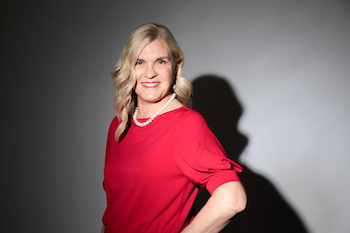
Dr Katrina Lines bio:
Katrina is a registered psychologist with more than 20 years’ experience delivering clinical and social services at the individual, organisational and community level. She has a Ph.D in children’s cognitive, social and emotional development and postgraduate qualifications in governance, business and education.
Before joining the Act for Kids team, Katrina practised as a private psychologist and worked as a university lecturer. Her strong interest, research and teaching in the area of children’s development led her to work in the child protection sector. Katrina is passionate about early intervention and prevention of child abuse and neglect and believes that all children who have suffered trauma should have access to the best possible services in order to develop to their full potential.