
Kiddipedia
Media kindly brought to you by Baby Goes Retro
When we think about our child’s wardrobe, it’s easy to focus on practicality, what’s comfortable, what washes well, what fits. But clothing, even in early childhood, is so much more than fabric. It’s one of the first ways we show the world who we are. For our kids, what they wear becomes a silent statement of identity, confidence, and values.
As parents, we make these choices every day, dressing our little ones not just in clothes, but in meaning and intention. Each outfit becomes a reflection of the energy and values we hope our children carry forward, a tool for imagination and individuality, and an expression of family values like sustainability, kindness, and creativity. Clothes shape how children experience the world and how the world responds to them, making parents the quiet curators of their child’s self-image and confidence.
“So, next time your child steps out for the day, pause for a second: what story are their clothes already telling about who they are, and who you hope they’ll become?”
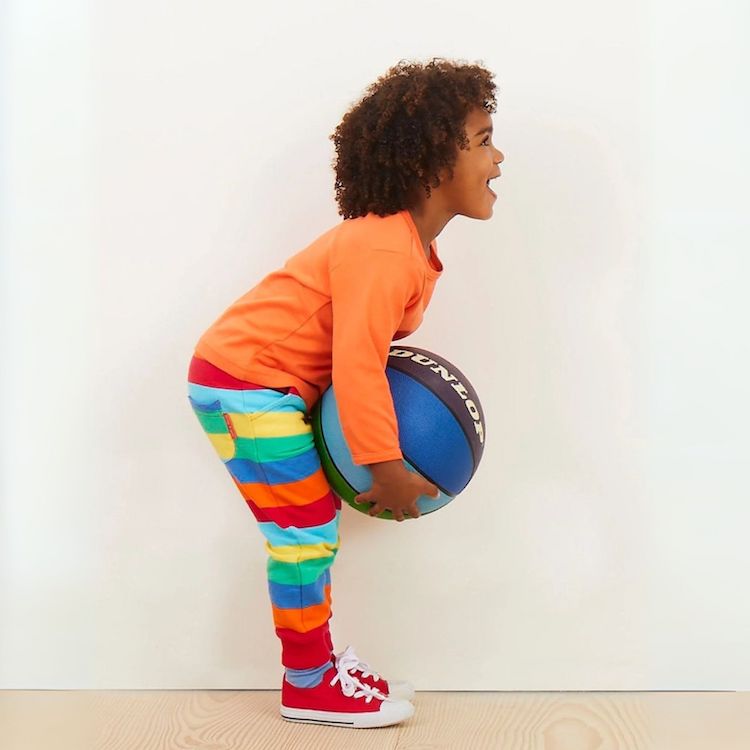
The Shift Toward Intentional Fashion
More families are making the intentional choice to move away from disposable fashion and rethink what they dress their children in, not just for style, but for the lessons, memories, and energy these choices communicate. Every purchase is a quiet but powerful vote for the kind of world we hope our children will inherit.
One brand leading this thoughtful approach is Baby Goes Retro, a family-run Australian business offering the best selection of organic baby clothes and Scandinavian children’s clothing. Their collections combine vibrant, playful designs with certified sustainable fabrics that are designed to last, never treated as throwaway fashion.
A Family Philosophy Woven Into Every Garment
As a family-run business, Baby Goes Retro reflects Rachel Layton, her husband Daniel, and their two daughters’ love for thoughtful, mindful living. Their philosophy on fashion mirrors the way they approach family life.
“For us, choosing sustainable and ethically made clothes is about teaching our daughters the importance of care; care for people, the planet, and the choices we make every day. When we dress our children in clothing that’s safe, high-quality, and responsibly made, it becomes a way to show them how to value craftsmanship, make conscious decisions, and develop a deeper understanding of the world around them. Fashion is just one way we can pass on lessons of empathy, respect, and mindful living.” — Rachel Layton
From organic cotton baby clothes to timeless retro baby clothes, every garment is a chance to dress children not just in style, but in meaning and intention. When we wrap our children in clothes made with care, we’re wrapping them in love, comfort, and a sense of belonging.
Clothing as the First Layer of Identity
Clothing is one of the first ways children communicate with the world. Long before they can articulate their personalities, their outfits speak for them. For parents, every choice reflects intention and the energy they hope their child will carry.
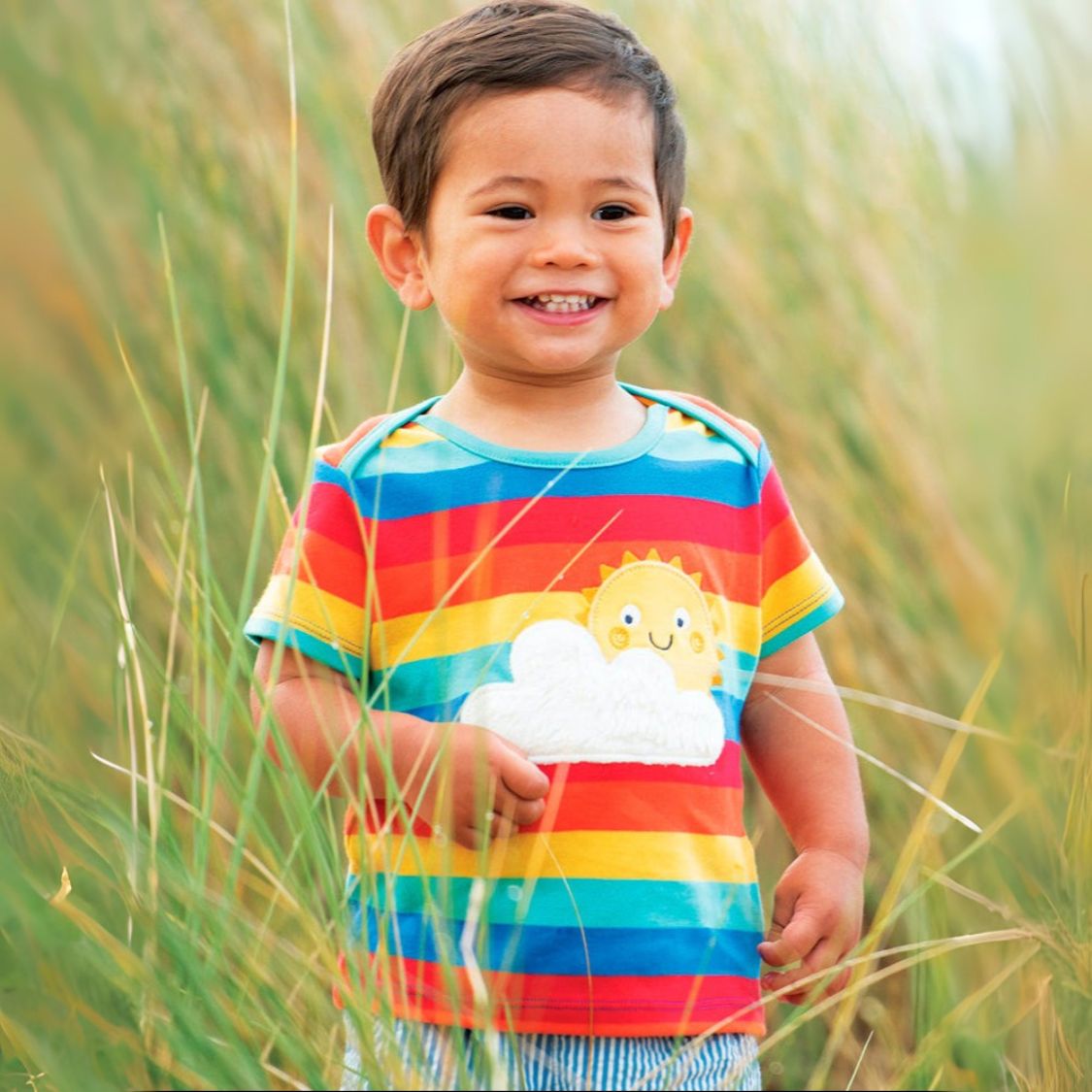
Before words are fully formed, children communicate through play, movement, and imagination, and their clothing becomes part of this dialogue. A sunny yellow romper isn’t just cheerful; it sparks curiosity. A retro print dress doesn’t just stand out; it encourages boldness and self-expression. Retro-inspired prints, bold patterns, and expressive colours act as emotional armour, helping children feel confident enough to climb, explore, and speak up, making every outfit a statement of who they are and who they might become.
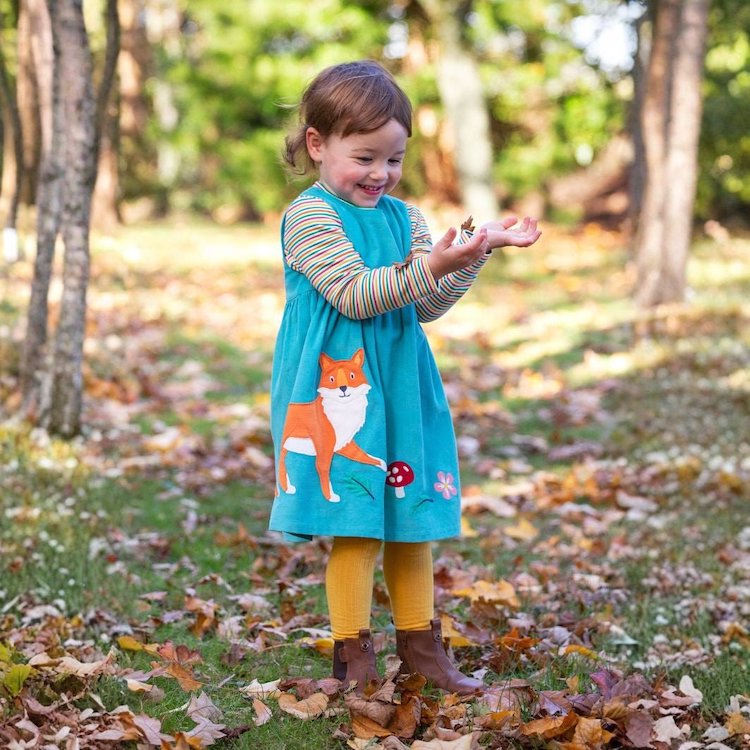
Studies show that self-expression through clothing positively impacts confidence, social development, and individuality. Choosing their own outfits, even with guidance, fosters autonomy and courage, encouraging children to explore the world with curiosity.
Imagine your little one spinning in a twirly Smafolk dress or a toddler in a Blade & Rose romper, ready to tackle a backyard adventure. These outfits aren’t just fun — they support self-discovery.
Rachel Layton explains:
“For us, slow fashion is about raising our kids to be mindful, kind, and respectful of the world and the people in it. When families choose well-made, sustainable clothes, they’re showing care not just for the planet, but also for the makers behind each piece. It helps ensure fair and ethical practices are supported, and it teaches children to value quality and understand where things come from. In the end, it’s about more than clothes; it’s about passing on a sense of responsibility, empathy, and appreciation for the simple things that truly matter.”
Childhood as a Canvas
Childhood is a canvas. Playfulness, imagination, and curiosity are the first brushes a child uses to paint their personality, and clothing can amplify this. Retro prints, whimsical patterns, and bold colours are more than visually appealing; they are tools of self-expression.
When children can express themselves freely through clothing, they develop subtle social and emotional advantages. Each outfit becomes part of their dialogue with the world, nurturing creativity, individuality, and confidence. A bright, patterned Scandinavian romper or vintage-inspired jumper is not just an outfit, it’s an opportunity to explore courage, curiosity, and self-expression.

Nostalgia as a Bridge Between Generations
Retro clothing does more than delight the eye. It bridges generations, linking your childhood memories to theirs. When your child wears a vintage-inspired print you once adored, it’s not just dressing, it’s storytelling. These patterns evoke joy, timelessness, and a sense of continuity, fostering appreciation for craftsmanship and slower living.
“I think every mum wants their child to feel special and proud of who they are. That’s what our clothes are about,” Rachel shares. “They’re bright, fun, and full of personality, the kind of outfits people notice and ask about. More than anything, I want kids to feel happy and confident in what they’re wearing, and for parents to feel good knowing they’ve chosen something made with care, not mass-produced.”
Organic Cotton and Gentle Materials: Caring for Skin and Soul
Choosing organic kids clothing isn’t a trend; it’s an act of care. GOTS-certified organic cotton and OEKO-TEX certified fabrics ensure garments are free from harmful dyes and pesticides, perfect for sensitive or allergy-prone skin. Breathable natural fibres move with children, supporting both comfort and wellbeing.
Experts agree: children with eczema or allergies experience improved skin health when dressed in chemical-free fabrics. Beyond the tangible health benefits, choosing organic sends a message: love can be woven into the everyday, visible in every soft sleeve, snug cuff, and joyful pattern.
Rachel and Daniel Layton explain:
“When parents discover brands that do things the right way, it often leads to more mindful choices over time. We love being part of that shift, showing that sustainable fashion can still be fun, colourful, and full of personality. If our clothes get families thinking a bit more about where things come from and who made them, then we’re doing something right.”
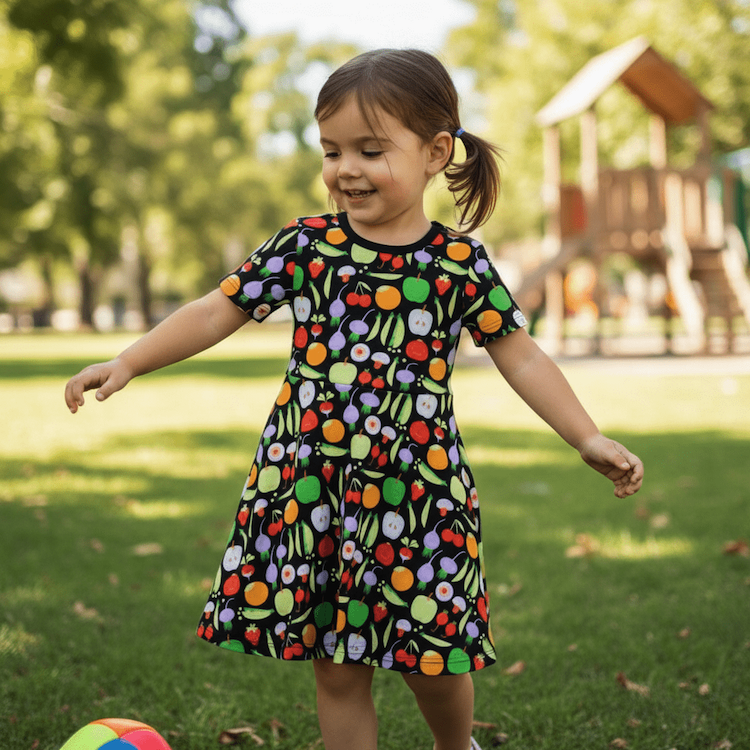
Ethical Fashion, Ethical Parenting
Every clothing choice teaches a value, often without saying a word. Choosing ethically made clothing models empathy, responsibility, and mindfulness. Research shows children mirror ethical habits they witness. A long-lasting Frugi jumper, chosen for quality and sustainability, is more than a garment; it’s a lesson in integrity.
When asked about the brands Frugi, DUNS Sweden, Toby Tiger, Smafolk, and Blade & Rose, Rachel shares:
“They’re just so different from what you find in most chain stores. The first thing you notice is the quality, these are clothes that don’t wear out after a few washes. You can feel the difference. The soft organic cotton, gorgeous appliqués, and bold prints all have so much character. They’re the kind of clothes that make you smile, and you can tell they were made with love and care.”
Slow Fashion, Fast Lessons
In a culture of disposability, Baby Goes Retro champions slow fashion. High-quality garments are designed to endure, washed and loved over seasons, sometimes passed down to siblings. Long-lasting kids clothes teach patience, respect for craftsmanship, and appreciation for quality over quantity.
“People love shopping online, but we want everyone to have the best experience possible, and that means great customer service. Our 30-day returns help people buy with confidence.” — Rachel Layton
A DUNS Sweden striped romper isn’t just adorable, it’s durable, ethical, and built to last. By choosing these garments, parents teach children to value what lasts, not just replace what’s convenient.
Rewarding Loyalty With Care
Building loyalty is at the heart of Baby Goes Retro.
“We have a lot of repeat customers. Not long after their first order, we often see them coming back for a second. Our VIP Members Club rewards frequent buyers with discounts on every purchase, as well as early access to our biggest sales. It’s our way of saying thank you and making sure our loyal community feels valued every step of the way.” — Rachel Layton
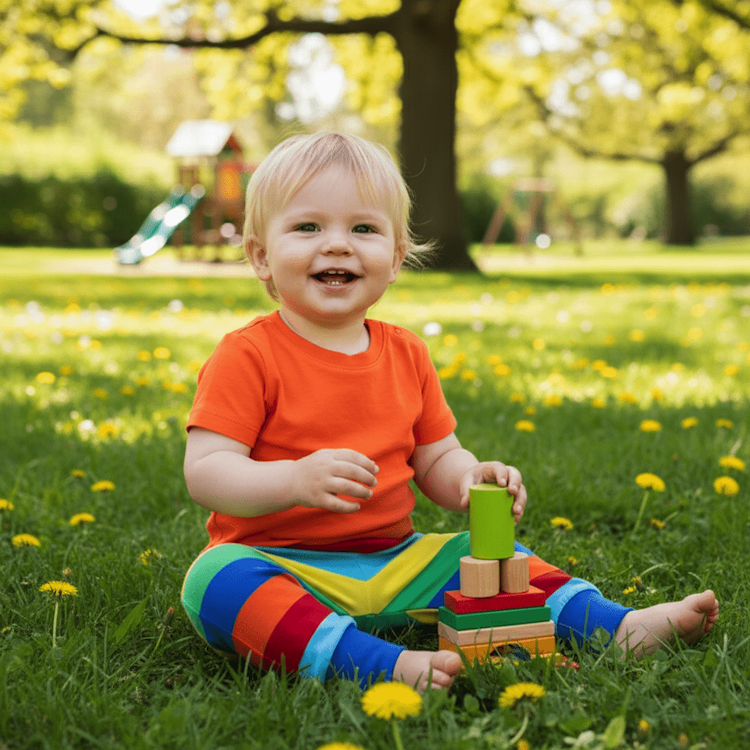
A Wardrobe With Purpose
At the end of the day, a child’s wardrobe is more than a collection of garments. It’s a canvas for values, a toolkit for confidence, and a mirror of intention. Each piece of clothing carries a story, a choice, and a lesson in mindful living.
Every outfit becomes a gentle but powerful reminder that the values we live by can be woven into the everyday, guiding the next generation to be thoughtful, compassionate, and bold in the lives they create.
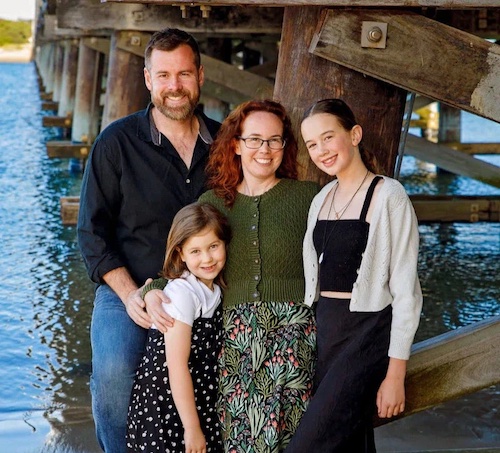
Meet the Family Behind Baby Goes Retro
Hi, I’m Rachel, together with my husband Daniel and our two daughters, we’re the family behind Baby Goes Retro. What began as a love for vintage-inspired children’s fashion has grown into a passion for creating clothing that celebrates joy, quality, and care in every stitch.
Each piece is thoughtfully designed to be playful, full of personality, and made to last, so it can be loved and passed down again and again. We’re committed to using safe, organic fabrics and partnering with ethical factories to support a slower, more sustainable approach to fashion, because even the smallest wardrobes can make a big difference.
References
Goldstein, T.R., & Winner, E. (2012). “Enhancing social and emotional learning through creative expression.” Journal of Child Psychology.
GOTS Certification. (2024). “Global Organic Textile Standard: Benefits for children’s clothing.”
OEKO-TEX. (2024). “Why OEKO-TEX certification matters for sensitive skin.”
Berk, L. (2018). Development Through the Lifespan. Pearson Education.
Piaget, J. (1962). Play, Dreams, and Imitation in Childhood. Routledge.
Fletcher, K. (2013). Sustainable Fashion and Textiles. Bloomsbury.
National Eczema Association. (2024). “Clothing and eczema in children.”
UNICEF. (2023). “Ethical production and child development.”
Ethical Trading Initiative. (2024). “The influence of parents’ ethical behaviour on children.”