
Kiddipedia
Back-to-school season is an exciting time—new friends, new classes, fresh opportunities—but it can also be stressful when the costs start to pile up. From uniforms and textbooks to stationery, tech, and extracurricular fees, it’s easy for budgets to feel stretched. With rising living costs and tighter household budgets in 2026, planning ahead has never been more important.
The good news? With a little strategy and creativity, you can get your kids ready for school without breaking the bank, and even teach them valuable money skills along the way. Whether you have a pre-schooler, a primary school student, or a teen heading into secondary school, these tips will help you save money, reduce stress, and make back-to-school season a bit more fun.
1. Start with a Realistic, Age-Specific Budget
A clear budget is your best friend. Start by listing everything your child will need: uniforms, stationery, textbooks, school bags, technology, and even extras like sports gear or excursions.
Pro tip: Break your budget into categories and set a limit for each. If you find a bargain on one item, you can shift the savings to something else.
Age-specific ideas:
-
Pre-school: Focus on essentials like clothes, a backpack, and lunch supplies. Skip pricey branded toys or kits.
-
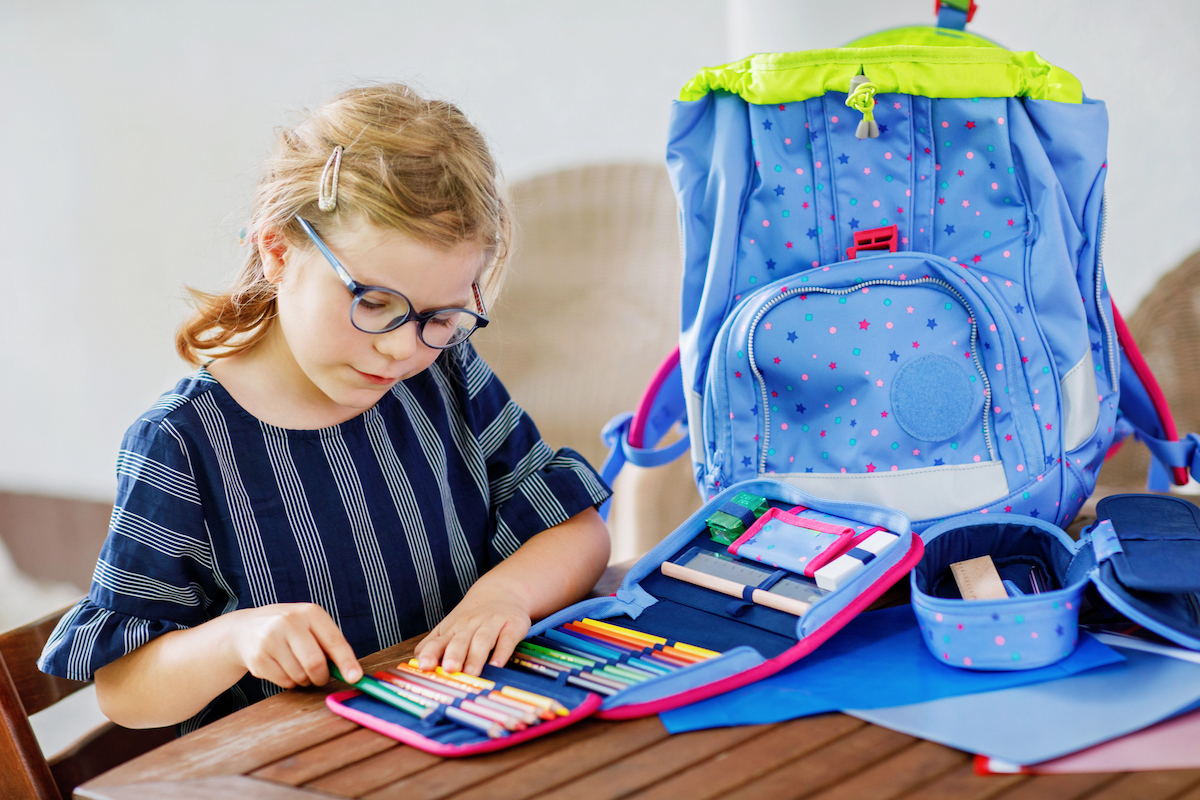
Primary school: Stationery kits, sport uniforms, and reading materials are priority items. Encourage kids to pack their own school bags—it reduces last-minute panic buys.
-
Secondary school: Technology and textbooks are usually the biggest expense. Consider secondhand books, digital versions, or rental subscriptions to save hundreds.
2. Explore Secondhand Shopping
Buying secondhand isn’t just cheap—it’s smart, sustainable, and increasingly popular. Gently used uniforms, textbooks, backpacks, and sports gear can save you hundreds.
-
Local op shops, school fairs, and parent-to-parent swap groups often have high-quality items at a fraction of the cost.
-
Online marketplaces like Facebook Marketplace or Gumtree are treasure troves for everything from backpacks to lab coats.
-
Community swap events let you trade items your kids have outgrown for what they need next.
Pro tip: Always check for wear, sizes, and school requirements. With a little creativity—like a DIY patch or simple sewing repairs—secondhand items can feel brand new.
3. Buy Smart and Bulk Where It Makes Sense
Sales are everywhere during back-to-school season, but the trick is timing and strategy.
-
Stock up on non-perishable items like notebooks, pens, and pencils when discounts hit.
-
Consider wholesale stores or membership clubs for bulk buys—especially if you have multiple children.
-
Use apps that track discounts, cashback, or seasonal deals to make sure you’re getting the best price.
Age-specific tip: Teens often need more stationery and tech accessories. Buying early and in bulk prevents those last-minute panic buys that cost extra.
4. Meal Planning and Packed Lunches
Food costs can quickly add up, especially if kids rely on canteens or takeaways. Meal planning helps you save money, eat healthier, and teach kids independence.
-
Plan a weekly menu including breakfast, lunch, and snacks.
-
Involve kids in meal prep and lunch packing—it teaches budgeting, planning, and responsibility.
-
Get creative: Bento boxes, wraps, fruit kebabs, or DIY snack packs keep lunches fun and healthy.
Pro tip for teens: Let them participate in grocery shopping or choosing weekly lunch ingredients—it builds life skills and reduces waste.
5. Take Advantage of Free or Low-Cost Activities
After-school activities are great, but they can be expensive. Luckily, there are plenty of budget-friendly options across Australia:
-
Community centres and councils often offer affordable sports, art, or music programs.
-
Libraries are a goldmine: free storytime, craft workshops, digital resources, and reading challenges.
-
Outdoor adventures—parks, beaches, nature walks—are free, fun, and educational.
Pro tip: Encourage your kids to try something new in a community setting. They’ll make friends, learn skills, and stay active without the hefty price tag.
6. Teach Kids About Money Early
Involving children in financial decisions teaches independence, responsibility, and confidence:
-
Pre-schoolers: Introduce simple concepts of saving and spending through pocket money or small chores.
-
Primary school: Compare prices, track spending, or plan small budgets for snacks or stationery.
-
Secondary school: Let teens manage part of their school supplies, lunches, or social outings—they’ll learn budgeting in a real-world context.
Pro tip: Turn shopping into a learning experience. Kids who help make decisions about spending are more likely to value and care for their belongings.
7. Consider Alternative Financing Wisely
If your budget is tight, short-term financing or lay-by options can help—but use them carefully:
-
Choose reputable providers with clear fees and interest rates.
-
Compare payment plans or “buy now, pay later” options before committing.
-
Avoid unnecessary debt—if the purchase isn’t essential, it’s better to save first.
✅ Key Takeaways
Back-to-school doesn’t have to be stressful or expensive. By combining planning, creativity, and smart shopping, you can prepare your children for success without financial strain:
-
Create a realistic, age-specific budget.
-
Explore secondhand items and swaps.
-
Take advantage of sales, bulk buying, and cashback apps.
-
Plan meals and packed lunches to save on food.
-
Involve kids in financial literacy and decision-making.
-
Use free or low-cost activities for enrichment.
-
Approach financing options with caution if necessary.
With a little preparation, a sprinkle of creativity, and parent-to-parent know-how, back-to-school season can be both manageable and meaningful—saving money while teaching your kids practical life skills that last far beyond the classroom.