
Kiddipedia
Have you ever met someone who made you see life a little differently? Maybe it was a friend who grew up in another country or a colleague whose traditions seemed so new yet somehow familiar. Those moments, when your world expands through someone else’s story, can change everything.
Now, imagine that kind of experience unfolding not during a short conversation, but every day, right inside your home. Living with someone from another culture isn’t just interesting, it’s transformative. It changes how you see people, how you raise your kids, and how you define “home.”
Let’s take a closer look at how that happens, and why opening your home to another culture could be the best decision your family ever makes.
The World Inside Your Home
Picture this: dinner at your house looks a little different tonight. The air smells like spices you can’t quite name. There’s laughter at the table as everyone takes a bite of something new. Your kids are asking questions about where the dish comes from, and before you know it, you’re all sharing stories about childhood traditions and family memories.
That’s the beauty of cultural exchange, it brings the world to your doorstep. Suddenly, your family isn’t just learning about geography from a textbook; you’re living it. And the lessons go far beyond food or language. You begin to understand how others think, celebrate, and show love.
When your home becomes a space where cultures mix naturally, everyday moments, like breakfast or movie night, turn into opportunities to learn about the world. You realise how much we all share, despite where we come from.
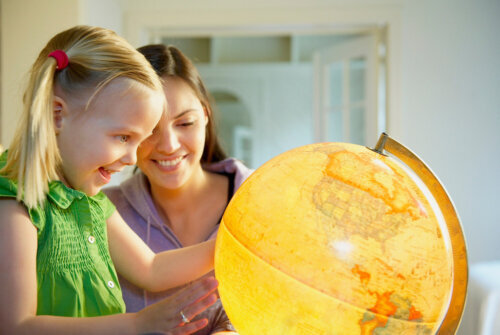
Cultural Exchange in Everyday Life
Cultural exchange isn’t about grand gestures or planned activities; it happens in the little things. It’s in how someone sets the table, how they express gratitude, or what music they play while cooking dinner.
You start noticing that the rhythms of another person’s life blend beautifully with your own. Your kids might pick up a few new words, your morning routines shift slightly, and suddenly, your family becomes more adaptable, curious, and open.
It’s these simple, everyday experiences that build understanding. You’re not just observing another culture, you’re sharing it, living it, and learning from it together. And what’s amazing is how naturally it all happens when your family connects with someone from another part of the world.
This kind of connection is what makes hosting international guests or participating in global exchange programs so rewarding. They’re not just about travel or childcare they’re about building bridges of understanding right inside your home.
Emotional Growth Through Cultural Diversity
When you live with someone from another culture, something powerful happens: you start to grow emotionally. Your family begins to see life through a wider lens. You learn patience, empathy, and the joy of seeing familiar things from a fresh perspective.
Parents often say they notice a change in their children first. Kids become more compassionate, less judgmental, and genuinely curious about people’s backgrounds. They start asking meaningful questions: “Why do they do that?” or “What does that mean in their country?”
And you know what? Those questions are gold. They show that your child is developing empathy and understanding, skills that will serve them for life.
This kind of emotional growth doesn’t come from books or lectures. It comes from shared laughter, honest conversations, and sometimes, the beautiful awkwardness of learning from one another.
Breaking Down Stereotypes and Building Respect
We all grow up with assumptions about other cultures some subtle, some not so subtle. But the fastest way to break them? Live side by side with someone who defies them every single day.
When you share a home, you realise that kindness, humour, and love exist everywhere. You stop seeing “us” and “them” and start seeing “we.” That’s the quiet power of cultural exchange—it reshapes how we think about people.
It’s not about being politically correct or overly cautious; it’s about real connection. When you’re laughing over breakfast with someone from a different part of the world, respect isn’t a concept—it’s a feeling. It’s the realisation that diversity doesn’t divide us; it deepens us.
And that’s something families carry forward long after the experience ends.
A Natural Bridge
If your family has ever wondered how to bring that kind of cultural exchange into your home, opportunities like Cultural Care au pair services can make it possible in a natural and meaningful way.
These programs aren’t just about childcare they’re about connection. Families welcome someone from another country into their home, and in return, they gain an incredible blend of cultural learning, mutual respect, and friendship.
It’s a chance to experience diversity not as an idea, but as a daily part of family life. You might discover new traditions, new recipes, or even new ways to communicate love and gratitude. More importantly, your children see firsthand what it means to share, listen, and care across cultures.
That’s the heart of it: creating a home where differences don’t divide but inspire.
Teaching Kids a Global Perspective
Kids are naturally curious. Give them access to a new language, new customs, or even a new way of celebrating holidays, and they’ll soak it all up like sponges. Living with someone from another culture helps them see the world not as a distant map, but as a living, breathing network of people and ideas.
And these lessons last. A child who learns to respect and appreciate diversity early in life grows into an adult who values understanding over judgment. They become adaptable, compassionate, and open-minded—qualities that will guide them in relationships, school, and future careers.
You can’t teach that from a screen or a classroom. It comes from real, human connection. It comes from hearing stories at the dinner table or learning to cook a family dish from another country.
From Hosts to Global Citizens
Something shifts in your family after you’ve lived this way for a while. You stop thinking of cultural experiences as “theirs” or “ours”. Instead, everything feels connected.
Maybe you find yourself trying a new recipe from your guest’s home country. Maybe your child starts saying phrases in another language or drawing flags from places they’ve never visited. Slowly, your world expands.
And those connections don’t end when someone moves out. Families often stay in touch sending holiday cards, planning visits, or sharing life updates years later. The bond becomes part of your family story.
That’s what global citizenship looks like not just knowing about other cultures, but caring about them. It’s about seeing the humanity that connects us all.
Inviting the World into Your Everyday Life
You don’t have to travel far to make your world bigger. Cultural exchange starts with curiosity—and a little bit of courage.
Here are a few ways to begin:
-
Host an international visitor or exchange student. It’s one of the most rewarding ways to experience another culture firsthand.
-
Join local cultural events. Festivals, food fairs, and community workshops are full of opportunities to learn and connect.
-
Explore global cuisines at home. Cooking together as a family can open doors to great conversations.
-
Encourage language learning. Even a few phrases can make the world feel more connected.
And if you want a more personal, long-term experience, programs that connect families with cultural caregivers or guests can create exactly that. It’s a way to bring the world into your home, literally, and build friendships that go far beyond borders.
When the World Feels Like Family
At the end of the day, living with someone from another culture is about more than shared space, it’s about shared humanity. It’s about discovering that while our traditions, foods, and languages might differ, our hopes, dreams, and love for family are universal.
When your family opens up to that kind of experience, something beautiful happens. You grow closer, more curious, and more compassionate. You stop seeing the world as “out there” and start realising, it’s already here, right in your home.
And maybe that’s the real gift of cultural exchange. It teaches us that family isn’t defined by where we come from, but by how we connect.
So the next time you find yourself wondering what your family could gain from welcoming someone new, remember this: once you’ve seen the world through another person’s eyes, your own world will never look the same again. And that’s a change worth embracing.