
Kiddipedia
If you’ve ever wrapped yourself in a thick blanket after a tough day or leaned into a big bear hug that instantly made everything feel better—you’re already familiar with the comfort that deep pressure brings. For kids, especially those who feel overwhelmed, anxious, or just extra wiggly, that same kind of hug can come in the shape of a plush toy.
Weighted soft toys are quietly becoming a go-to tool for parents and caregivers looking for natural ways to support their child’s emotional well-being. But they’re more than just cute companions. They tap into a powerful biological response known as deep pressure stimulation, and when used thoughtfully, they can help kids self-soothe and feel more grounded.
In fact, some families find their little ones bonding with weighted plushies the same way they once did with a favourite bedtime teddy. From household names to adorable boutique finds like those at Jellycat official, these soft and weighted buddies are blending emotional support with sensory science.
What Is Deep Pressure Stimulation?
Let’s start with the basics. Deep pressure stimulation (often called DPS) refers to firm but gentle pressure applied to the body—think hugs, squeezes, or being gently swaddled. It activates the parasympathetic nervous system, which is responsible for rest and relaxation. When triggered, it helps lower heart rate, reduce cortisol (the stress hormone), and increase the release of serotonin and dopamine—chemicals that boost mood and create a sense of calm.
This concept isn’t new. Occupational therapists have used weighted vests, blankets, and lap pads for years to help kids with sensory processing difficulties. The big shift today? Making these tools more accessible, cuter, and kid-friendly by turning them into lovable plush toys.
Why It Works: Weighted Toys and the Brain-Body Connection
Kids often experience big emotions without fully understanding where they come from. Transitions, noisy environments, or simply being overtired can lead to meltdowns or sensory overload. That’s where a weighted plush toy steps in.
When a child cuddles a weighted toy, their body reads that steady pressure as a cue to calm down. It’s like a silent reminder that says, “You’re safe, it’s okay.” This feedback helps them regulate without needing words—something that’s especially helpful for young children, autistic kids, or those with sensory processing challenges.
Weighted toys can be especially helpful in these scenarios:
- Bedtime routines – helping kids wind down for the night
- School or daycare drop-offs – offering comfort during separation
- Quiet time or breaks – providing a calming presence during downtime
- Travel – helping children feel safe in new or overwhelming environments
Not Just for Neurodivergent Kids
While many parents of autistic children or kids with ADHD turn to weighted items as part of a sensory toolkit, they’re not limited to therapeutic settings. More and more families are using them proactively—as part of everyday routines for emotional regulation.
Weighted plushies are especially helpful for kids who:
- Get overwhelmed in noisy environments
- Struggle with focus or transitions
- Experience anxiety or have trouble falling asleep
- Just love a good cuddle and want more than a regular stuffed animal
They don’t need a diagnosis to benefit. Any child who craves comfort can find reassurance in a toy that hugs back.
The Right Weight: What to Look For
Choosing the right weight is important. Experts generally suggest that a weighted toy should be about 5–10% of the child’s body weight, though plush toys are typically on the lighter end to remain cuddly and safe.
Here are some basic pointers:
- Small toddlers (under 3): Always check safety labels; some weighted toys may not be appropriate.
- Ages 3–6: Look for soft, evenly weighted toys in the 1–2 kg range.
- Ages 7+: Kids may enjoy slightly heavier options or larger plush characters.
It’s also important that the weight is distributed evenly, so the toy provides consistent feedback no matter how it’s held.
Safety First: What Parents Should Know
While weighted toys are generally safe, there are a few guidelines to follow:
- Supervise younger children, especially under 3, when introducing weighted items.
- Don’t place them on a child’s face or chest while sleeping.
- Always follow manufacturer recommendations for age and usage.
- Check seams regularly to ensure beads or weight fillers aren’t leaking.
Most quality-weighted plush toys use glass microbeads or eco-friendly pellets sewn into secure pockets for safe, even distribution.
Emotional Support, One Hug at a Time
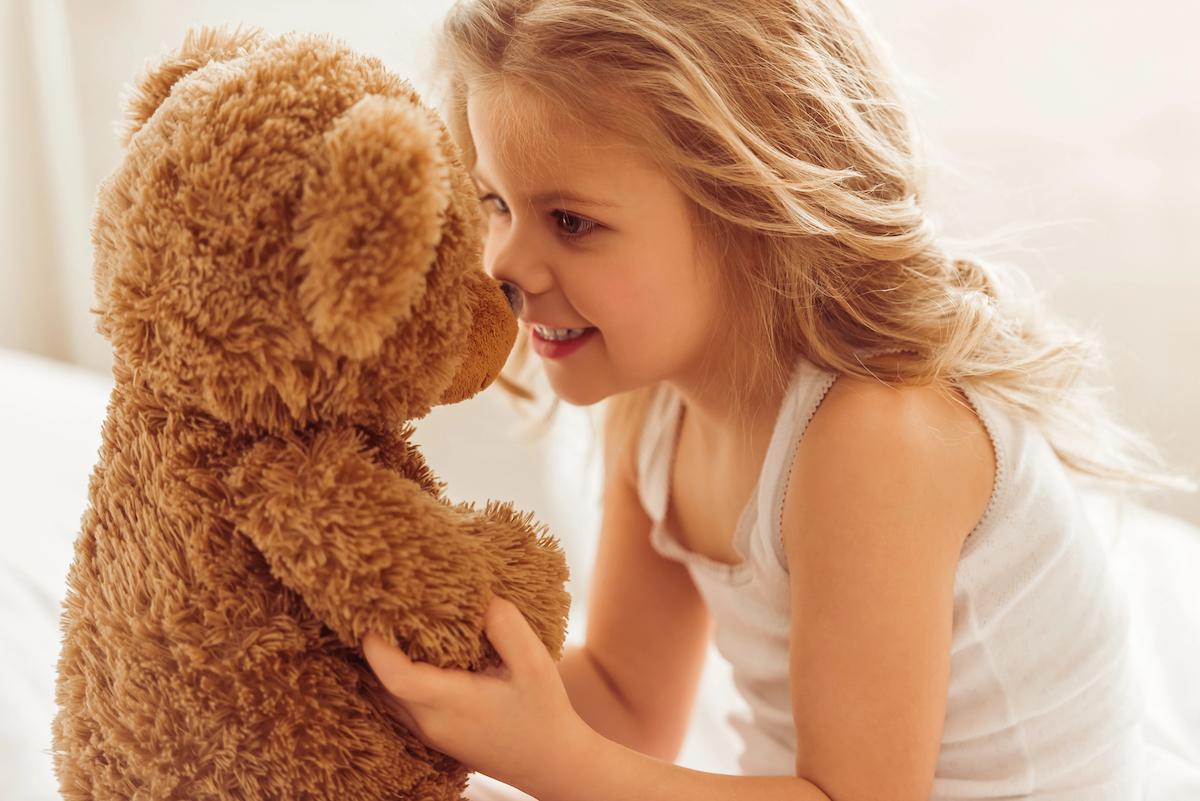
Beyond the science, there’s something deeply comforting about a plush toy that feels just right in your arms. Kids often form emotional attachments to their weighted toys, giving them names and weaving them into daily rituals.
That emotional bond can turn a simple object into a trusted sidekick—someone they reach for when the world feels too fast, too loud, or too unfamiliar. And for parents, seeing their child find calm in a soft embrace can be a powerful reassurance.
Adding It to Your Child’s Routine
If you’re wondering how to introduce a weighted plush toy, here are some easy ways to do it without pressure:
1. Make It a Bedtime Buddy
Place the toy near their pillow or reading nook. Let it become part of their nighttime ritual, just like brushing their teeth or picking a storybook.
2. Use It During Wind-Down Time
Set aside 10–15 minutes of quiet time with the toy after school or before meals. Think of it as a moment to reset.
3. Let the Child Lead
Don’t force it. Just keep the plush nearby and let your child reach for it when they want. Kids naturally gravitate toward comfort when it feels safe and familiar.
Choosing One That Fits Your Child’s Personality
Kids are more likely to connect with a plush toy that feels personal. Here are some things to consider:
- Animal or character preference – Does your child love koalas, dinosaurs, or unicorns?
- Texture – Soft, fuzzy, or velvety materials feel different to each child.
- Size and shape – Some kids love oversized huggers, while others prefer something they can tuck under their arm.
- Colour – Calming shades like blue, grey, or soft pink are often soothing, but bold colours can bring joy, too.
Sites like Hugglemoo offer carefully curated plush toys with quality design and kid-friendly weight options, making it easier to find one that checks all the boxes.
Beyond the Toy Box: What Weighted Plushies Teach Us
Introducing a weighted toy is also a gentle lesson in emotional awareness. When a child learns to reach for something that helps them feel calm, they’re building a lifelong skill: self-regulation.
That’s not just useful during childhood—it sets the foundation for managing stress, emotions, and sensory input into the teenage years and beyond.
Parents often focus on what kids need to “learn,” but sometimes the best tools are the ones that simply feel right—no instructions needed, just a soft, grounding presence when things get too loud.