
Kiddipedia
Many Australian parents are unknowingly running on empty. What feels like the usual exhaustion of raising kids—late nights, school runs, and endless chores, could actually be a sign of low iron or vitamin D. These deficiencies quietly affect energy, mood, and focus, often going unnoticed for months and leaving parents feeling burnt out, irritable, and less resilient.
In fact, nearly a quarter (24%) of Australian adults are vitamin D deficient, while around two million Australians are low in iron. If you’ve been feeling unusually tired, moody, or just a bit “off” lately, you’re not alone, these hidden nutrient gaps could be silently zapping your energy, and they’re more common than many parents realise.
Why Iron and Vitamin D Matter 🩸☀️
Iron helps our bodies make haemoglobin, the protein that carries oxygen in our blood. Without enough iron, even simple daily tasks can feel exhausting. Vitamin D, on the other hand, supports strong bones, a healthy immune system, and even your mood.
During winter, sunlight is limited, and our bodies naturally produce less vitamin D. Even when spring arrives, many of us remain low in this essential nutrient, especially if we spend most of our time indoors or use high SPF sunscreen.
Who’s Most at Risk? ⚠️
Some groups are more likely to be affected:
-
Women and teenage girls – up to 40% of girls aged 14–18 don’t get enough iron.
-
Pregnant women – nearly 12% may be iron deficient.
-
Adults in general – more than one in five are low in vitamin D.
Low iron or vitamin D can affect everyone, not just adults. Children can experience slowed growth, fatigue, poor concentration, and frequent illness if deficiencies aren’t addressed.
Signs You Might Be Low 🔍
It’s not always obvious when iron or vitamin D are low. Watch for:
-
😴 Feeling constantly tired or run-down
-
😡 Mood swings or irritability
-
🤧 Frequent colds or infections
-
🧠 Difficulty concentrating
-
💨 Breathlessness or low stamina
If you notice these in yourself, or your kids, it’s worth looking into.
How to Boost Iron and Vitamin D Naturally 🍽️☀️
Alongside testing, making small changes to your family’s diet and routines can help improve energy and overall health:
Iron Tips 🥩
-
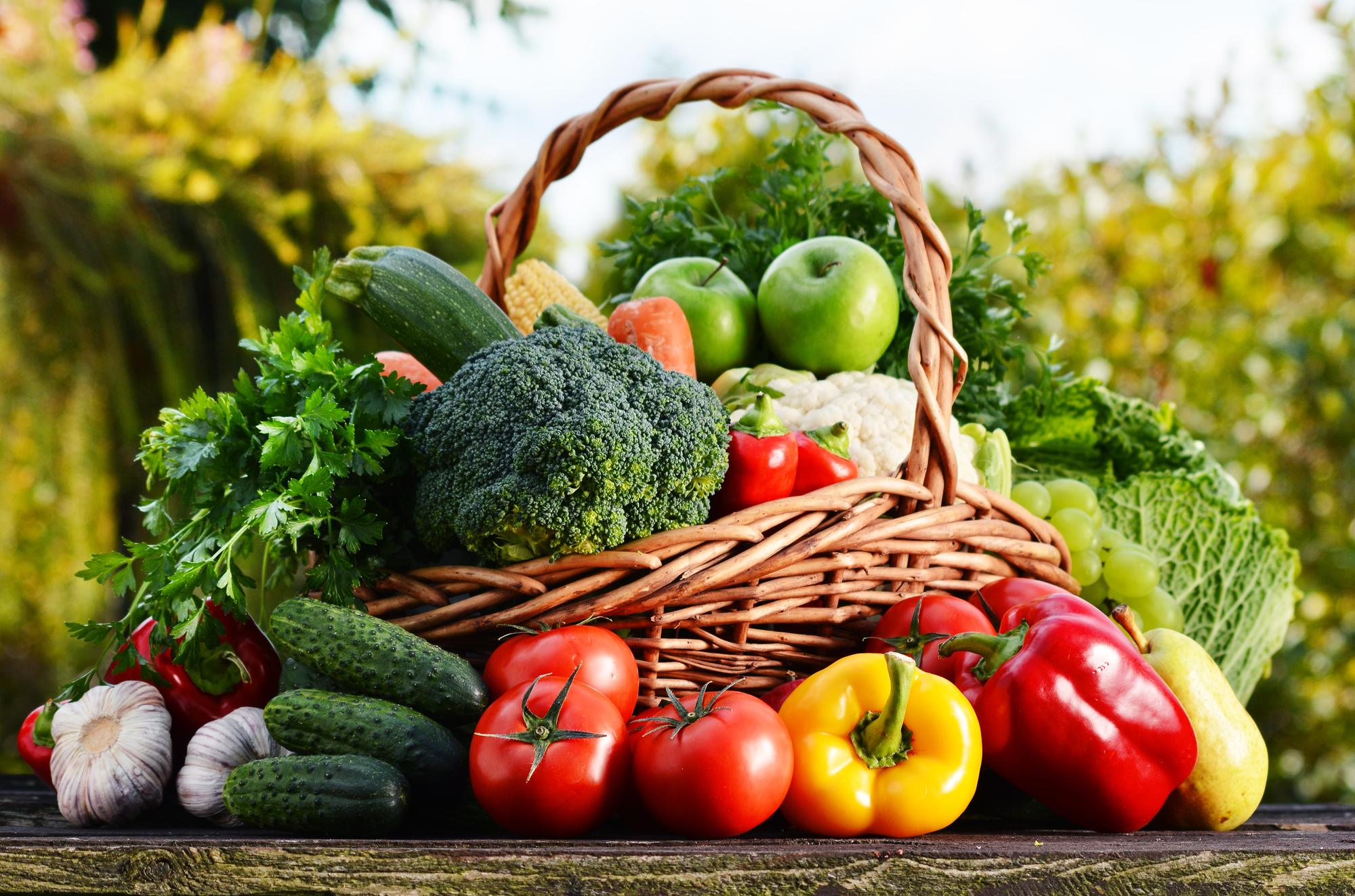
Include iron-rich foods: lean red meat, chicken, fish, eggs, lentils, beans, tofu, and spinach.
-
Pair iron with vitamin C-rich foods: oranges, strawberries, bell peppers help absorption.
-
Limit tea and coffee around meals—they can reduce iron uptake.
Vitamin D Tips 🌞
-
Spend time outdoors safely: 10–20 mins of sun on arms and legs a few times a week.
-
Eat vitamin D-rich foods: salmon, tuna, eggs, mushrooms, and fortified milk or cereals.
-
Ask your GP about supplements if sunlight exposure is limited, especially during winter.
Family-Friendly Ideas 👨👩👧👦
-
Turn outdoor activity into fun family time, backyard play, short walks, or park trips.
-
Sneak nutrients into snacks: hummus with veggie sticks, fortified cereals with berries, or boiled eggs.
-
Make it fun for kids: label “superpower foods” that boost energy and immunity.
Easy At-Home Testing 🏠💉
For busy families, getting blood tests can feel like a hassle. That’s where simple at-home self-tests come in. Touch Biotechnology offers non-invasive finger-prick tests for iron (ferritin) and vitamin D, providing quick and reliable results without a GP visit.
Stephanie Saunders, a mum-of-six and nurse, knows the difference these tests can make:
“I was always tired and foggy, and I thought it was just the busyness of family life. Testing my iron and vitamin D showed I was low in both. Addressing it made a huge difference, I finally felt like myself again. These tests are an easy way for parents to check their health without adding more to an already full schedule.”
Taking Control of Your Health 💪
At-home testing is about empowerment. It gives you a snapshot of your nutrient levels, helping you start conversations with your GP or pharmacist early. Combined with healthy eating, safe sun exposure, and a focus on family wellness, monitoring iron and vitamin D can make a real difference in energy, mood, and overall wellbeing.
If you’re noticing low energy, frequent illness, or mood changes in yourself or your children, consider checking your levels. These small steps, plus fun, nutrient-rich meals and outdoor time, can help your whole family feel more vibrant, focused, and ready to enjoy life, no matter how busy the days get.
For more information on at-home testing, visit Touch Biotechnology.