
Kiddipedia
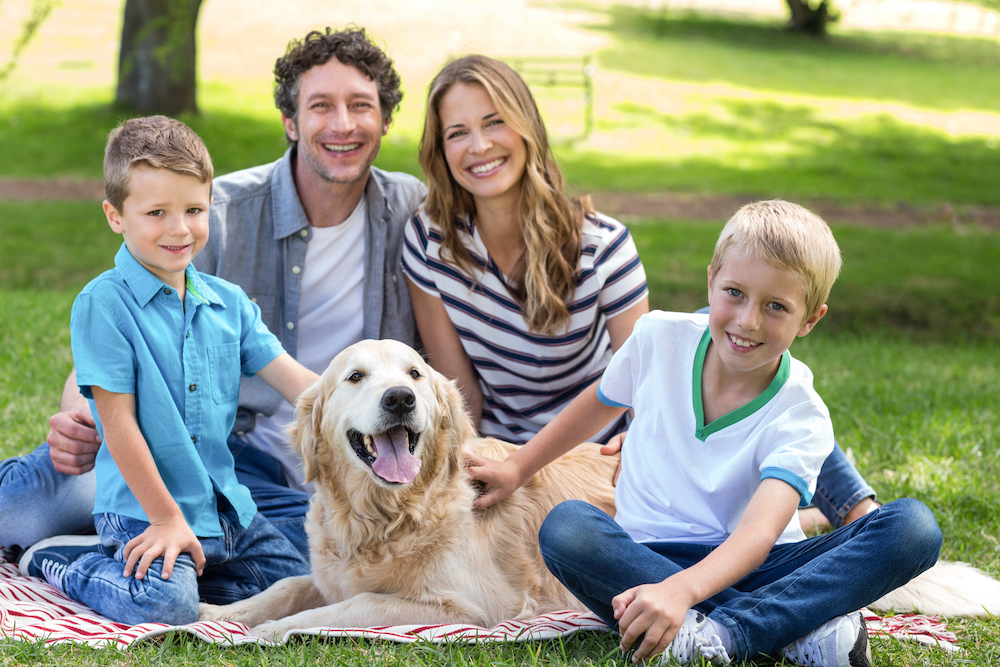
Adding a dog to your family is one of life’s great joys. Every family is different, and things like yard size and your daily routine can make a real difference in which dog will be happiest with you. Here’s a guide to help you match a dog’s breed to your family’s lifestyle, space and personality so you can welcome the perfect addition to your home.
1. Consider Your Family’s Lifestyle
Your daily routine plays a major role in determining the best dog breed for your family. Before browsing photos of adorable puppies, reflect on how your household functions day to day. How much time does your family spend out and about versus relaxing at home? Is the house always buzzing or more on the quiet side?
More families than ever are discovering the joys of pet ownership. As of 2025, 7.7 million households in Australia have a pet. As more people bring pups home, choosing the right breed becomes more important.
Several key factors influence which breeds suit your family best:
- Family activity level: Love hiking or running around the park? High-energy dogs will love joining in. Prefer movie nights and chilling at home? Look for a more mellow mate.
- Ages of your children: Tiny breeds can be a bit delicate for rough-and-tumble play with young kids. Bigger or more robust breeds often handle high spirits better.
- Potential allergies: If someone in the house has allergies, consider hypoallergenic breeds to reduce sneezing and sniffling.
- Time and attention: Some breeds need loads of exercise and enrichment daily. If everyone’s schedule is packed, it might be better to choose a more laid-back breed.
- Budget: Larger dogs eat more food and require higher medication doses. Grooming costs vary significantly between breeds.
Research shows that almost half of the pet dogs and cats worldwide are overweight or obese, with middle-aged pets being the most at risk. When you match your dog’s energy level to your family’s activity level, you help maintain a healthy weight and a happy temperament.
2. Assess Your Yard Size and Living Space
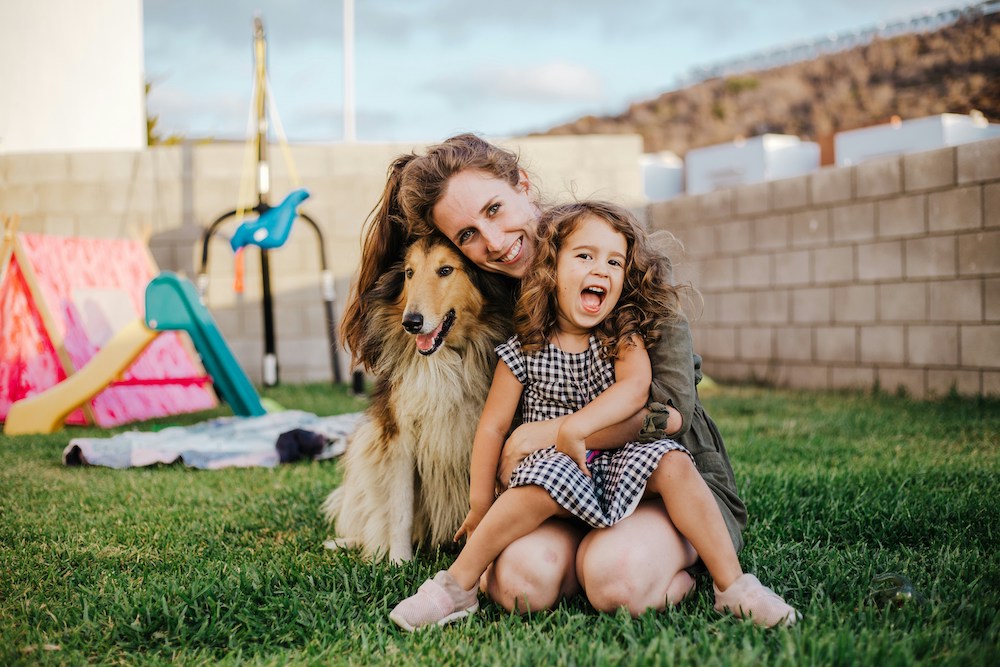
How much room you have at home matters. A big, fenced backyard in the suburbs gives you more options than a small flat or townhouse does. Also, the smaller the dog, the less room the dog bed, kennel and toys will take up inside.
Imagine an active Golden Retriever in different settings. This energetic breed needs room to move and play throughout the day. Meanwhile, a small Maltese adapts beautifully to compact spaces when paired with daily walks and indoor play.
Every dog deserves a comfortable space where they feel secure. Before bringing a pet home, ensure your yard is properly fenced so the dog cannot escape. Check if your local council has any specific guidelines about pet ownership and property size.
3. Choose a Breed that Matches Your Family’s Personality
Some breeds love playtime, while others are couch potatoes at heart. Thinking about how your dog matches your family’s personality ensures your pup genuinely enjoys the life you lead. Here are some breeds that may suit different types of households.
For the Active and Outdoorsy Family
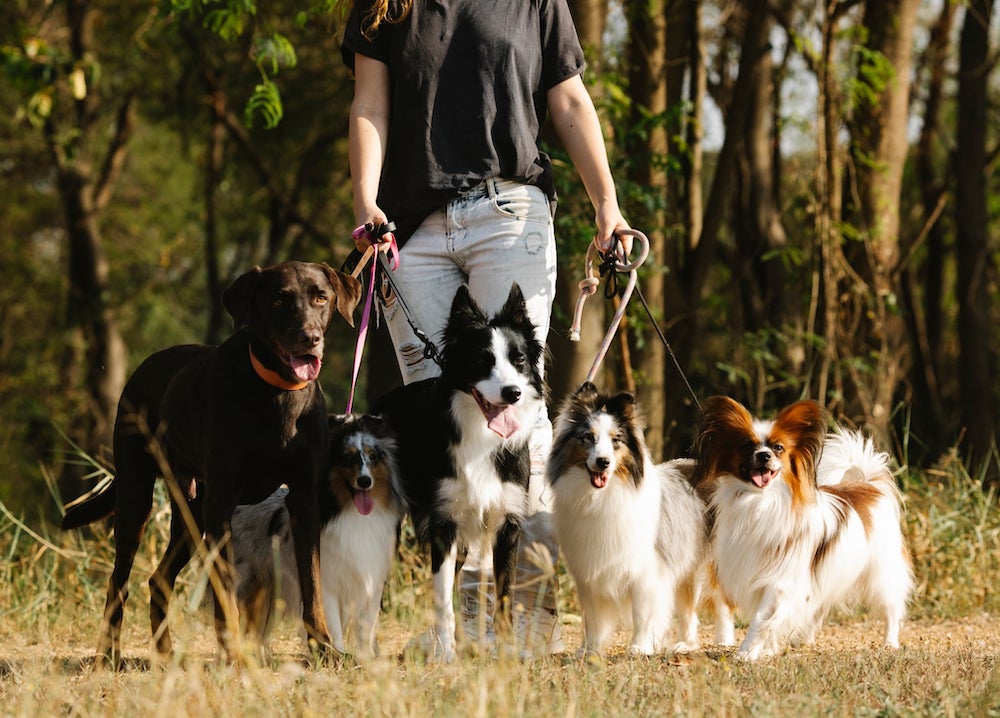
If your family loves heading out on adventures, running, bushwalking or playing endless games of fetch, high-energy breeds are your best bet. Consider the following breeds:
- Australian Cattle Dog: Originally bred for tough work, Australian Cattle Dogs have a short coat that helps them handle hot weather. They need large yards and plenty of exercise.
- Labrador Retriever: Friendly, energetic and wonderful with children, Labs suit active families perfectly. They require moderate to large spaces and daily exercise. Their patient, loyal temperament makes them ideal family companions.
- Border Collie: Brilliant and energetic, Border Collies crave both exercise and challenge. They need significant space and exercise to prevent boredom.
- Dalmatian: Dalmatians are loyal and highly energetic companions. They have muscular, long legs built for endurance and a high capacity for strenuous activity. These qualities make them ideal for families who run, hike or engage in outdoor sports regularly.
For the Calm and Cosy Household
Prefer lazy weekends, quiet evenings and gentle strolls? These calmer breeds are happy just to hang out.
- Cavalier King Charles Spaniel: These gentle, affectionate dogs suit indoor living beautifully. Their energy level remains low, making them wonderful companions for children and seniors.
- Poodle: Small to medium poodles adapt well to apartment living with daily walks. They are considered hypoallergenic dogs because they shed minimally, making them appealing for allergy-prone families. However, they still produce saliva and dander, which can trigger reactions in some people.
- Pug: Charming and comical, pugs pack big personalities into small packages. Their energy level stays low, but they enjoy short walks during cooler parts of the day. Pugs are sensitive to heat, so early morning or evening exercise works best.
- Maltese: Perfect for smaller living spaces, Maltese dogs weigh just a few pounds yet carry confident personalities. They enjoy brisk daily walks and indoor play. These adaptable companions suit elderly owners, young families and everyone in between.
Things to Remember Before Getting a Dog
Once you’ve identified the right breed for your family, a few practical steps will help you prepare for your new arrival. Taking care of these matters beforehand makes the transition smoother for everyone.
Learn the Microchipping Laws
Pet identification protects animals and reunites lost dogs with their families. In New South Wales, the law requires a microchip by 12 weeks of age or before a dog is sold or given away. Check your state or territory’s specific regulations, as requirements vary across the country.
Dog-Proof Your Home
Your home needs a few adjustments before your new dog arrives. Remove toxic plants, secure loose electrical cables and store your shoes that curious puppies might chew. Set up a designated safe zone with a comfortable bed, water bowl and a few toys. This space gives your dog a retreat when feeling overwhelmed.
Expect Accidents
Chewing, testing boundaries and the odd puddle on the floor are all part of growing up. Patience, encouragement and consistency are key, and you’ll be amazed at how quickly your dog settles in with a bit of love and guidance.
Welcome Your New Best Friend Home
Taking the time to match the right dog to your family is worth every second. You’ll be rewarded with a loyal companion who fits right in with your routine, your space and your people. Chat to reputable breeders or visit rescue centres. Sometimes, the perfect dog is the one you find when you least expect it.
 Author:
Dan Parks
Senior Writer at Modded.com with over six years of experience producing evidence-based parenting and lifestyle content, covering family life, child development, relationships, and everyday wellbeing.