
Kiddipedia
Quick Scan: Top Tips at a Glance
-
Shoes: Make sure they fit properly, support arches, and leave enough toe space.
-
Backpacks: Keep weight ≤10–15% of body weight; use both straps and adjust height.
-
Posture: Encourage movement breaks, strengthen core muscles, and set up ergonomic workstations.
-
Devices: Position screens at eye level; limit prolonged use to prevent hunching and “tech neck.”
-
Neurodivergent Support: Consider sensory-friendly shoes and backpacks; involve your child in noticing discomfort.
As parents, we want our children to grow up healthy, confident, and pain-free. But sometimes, small everyday factors, like the shoes they wear or how they carry their backpack, can quietly affect their posture, feet, and spine. Understanding these risks and knowing how to prevent them can make a big difference in your child’s comfort, confidence, and long-term health.
Here’s a practical, parent-to-parent guide to spotting potential triggers, understanding their impact, and taking steps to keep kids moving, standing, and sitting strong.
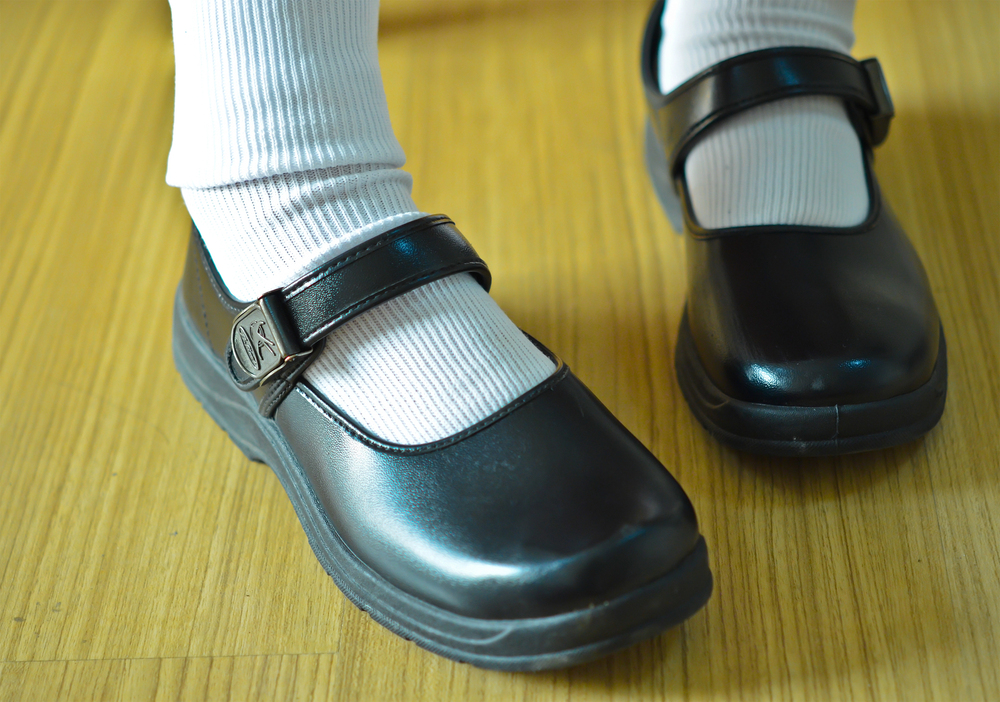
1. Shoes That Support Growing Feet
Shoes aren’t just fashion, they’re the foundation of healthy walking, running, and posture. Poorly fitting shoes can cause immediate discomfort and long-term issues, which often show up in the way your child walks or runs.
Common Problems from Poorly Fitting Shoes
-
Foot troubles: Blisters, calluses, ingrown toenails, bunions, hammer toes.
-
Gait and balance issues: Limping, altered walking/running patterns, higher risk of falls.
-
Muscle and skeletal strain: Stress on ankles, knees, hips; fatigue from overcompensating muscles.
-
Long-term consequences: Persistent foot pain, joint problems, or altered walking patterns into adulthood.
1a. Shoes That Are Too Big → Shuffling or Not Picking Up Feet
Why it happens:
-
Oversized shoes leave extra space around the toes and heel, making it easy for a child’s foot to slide inside.
-
To avoid tripping, children adjust their gait by shuffling or dragging their feet.
-
They may also take smaller steps or walk more slowly to maintain balance.
Evidence:
-
Pediatric podiatry research shows that improperly fitting shoes alter walking patterns, increasing risk of tripping.
-
A 2016 study in Gait & Posture noted that loose shoes increase toe dragging and reduce step length, especially in younger children still developing motor control.
Practical observation:
-
Parents often notice toddlers or early-school-aged kids looking clumsy in hand-me-downs, they shuffle instead of lifting their feet naturally.
1b. Shoes That Are Too Tight → Hopping or Avoiding Weight on a Foot
Why it happens:
-
Tight shoes compress toes and the forefoot, causing pain with every step.
-
Children instinctively avoid putting pressure on the painful area, sometimes hopping on the other foot or walking on tiptoes.
-
Over time, this can temporarily alter their gait.
Evidence:
-
Pediatric foot specialists note that tight shoes can cause limping, tiptoe walking, and short steps.
-
Journal of Pediatric Orthopaedics confirms that footwear that pinches toes triggers compensatory walking behaviours.
Practical observation:
-
Many parents notice their child favouring one foot over the other, especially in new or tight shoes.
Solutions for Healthy Feet
-
Measure your child’s feet regularly (every 3–6 months for growing kids).
-
Choose shoes with a wide toe box and proper arch support.
-
Avoid worn hand-me-downs.
-
Encourage barefoot play on safe surfaces to strengthen foot muscles.
Checklist: Shoe Fit Triggers
-
Marks, redness, or blisters after wearing shoes
-
Complaints of foot pain or limping
-
Cramped toes inside the shoe
-
Shoes feel tight even when fastened comfortably
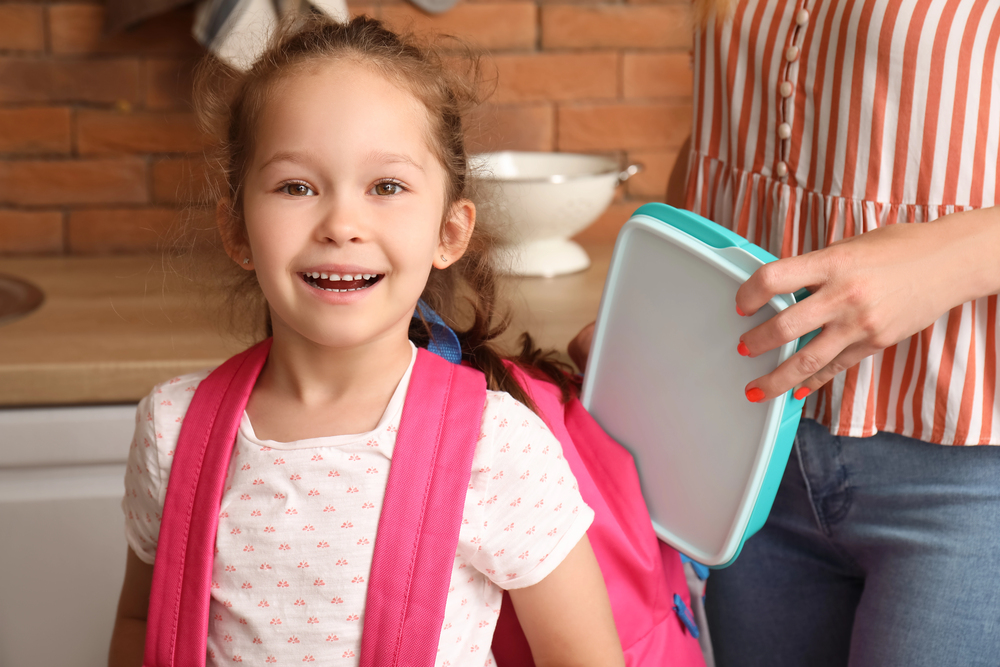
2. Backpack Safety: Protecting Your Child’s Spine
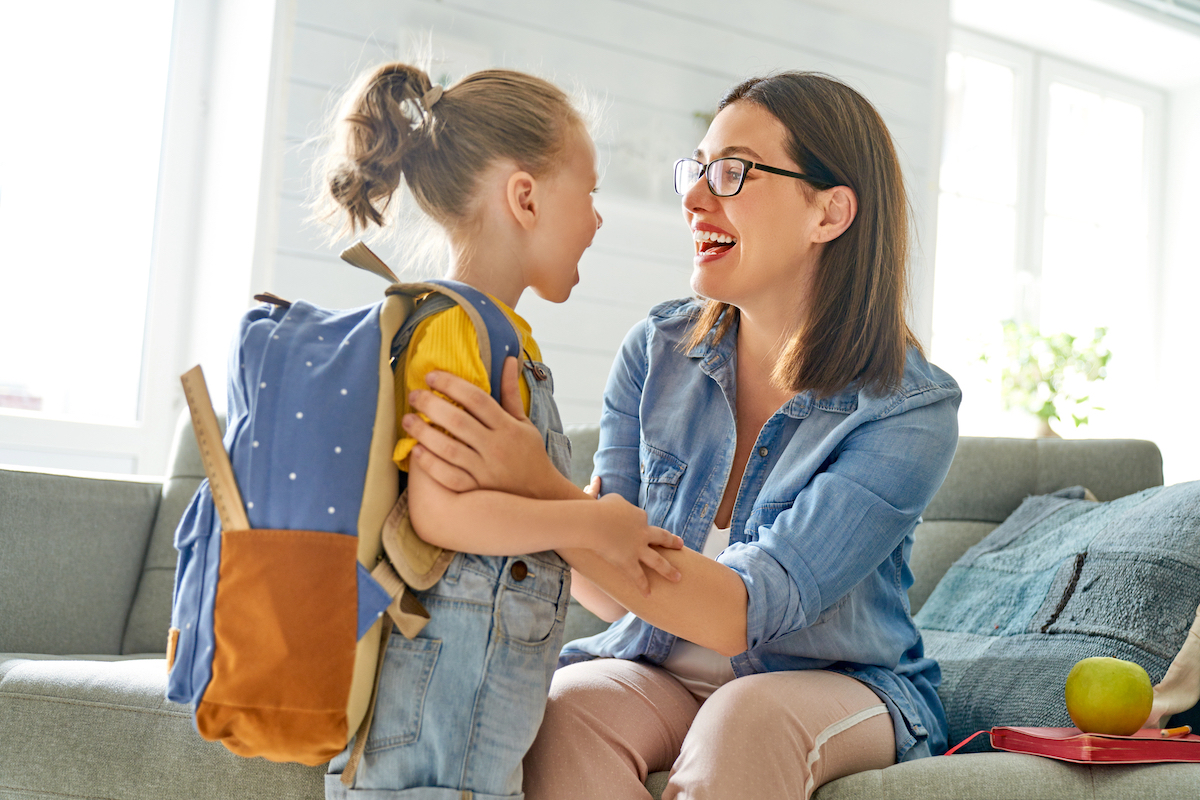
Backpacks are a necessity, but carrying them incorrectly can strain muscles, affect posture, and even impact spinal alignment and development.
Common Problems
-
Immediate effects: Shoulder, neck, and back pain; muscle fatigue; headaches.
-
Posture changes: Leaning forward, rounded shoulders, swaying lower back.
-
Long-term risks: Misaligned spine, poor posture habits, potential scoliosis or disc strain.
Many parents don’t realise a backpack is too heavy until their child complains of neck or back pain.
Practical Solutions
-
Keep backpack weight ≤10–15% of your child’s body weight.
-
Always use both shoulder straps; adjust so the pack sits high on the back.
-
Distribute weight evenly, with heavier items closer to the back.
-
Encourage core-strengthening exercises to support posture.
Checklist: Backpack Awareness
-
Does your child lean forward or sideways while walking?
-
Are straps digging into shoulders or leaving marks?
-
Is the backpack too heavy for their body weight?
-
Do they complain of shoulder, neck, or back pain?
3. Everyday Factors Affecting Posture
Posture isn’t just about shoes or backpacks, daily habits influence how children stand, sit, and move.
Key triggers:
-
Heavy/uneven backpacks → hunching, shoulder strain
-
Unsupportive footwear → affects balance and walking gait
-
Slouching at desks or on devices → forward head posture, rounded shoulders
-
Prolonged screen use → “tech neck” or upper back hunching (studies show children using devices for >2 hours/day are more likely to develop forward head posture)
-
Weak core muscles → poor spinal support, slumping
-
Vision issues → leaning forward to see the board or screen
Tip: Encouraging screen breaks every 20–30 minutes and positioning devices at eye level can prevent rounded shoulders and hunching over time.
Common Posture Problems in School-Aged Children
-
Forward head posture: Neck muscles strain as head juts forward.
-
Rounded shoulders: Upper back hunches, shoulders roll inward.
-
Kyphosis: Excessive curvature in upper back.
-
Lordosis: Excessive inward curve in lower back.
-
Scoliosis: Sideways spinal curvature, worsened by uneven weight or weak muscles.
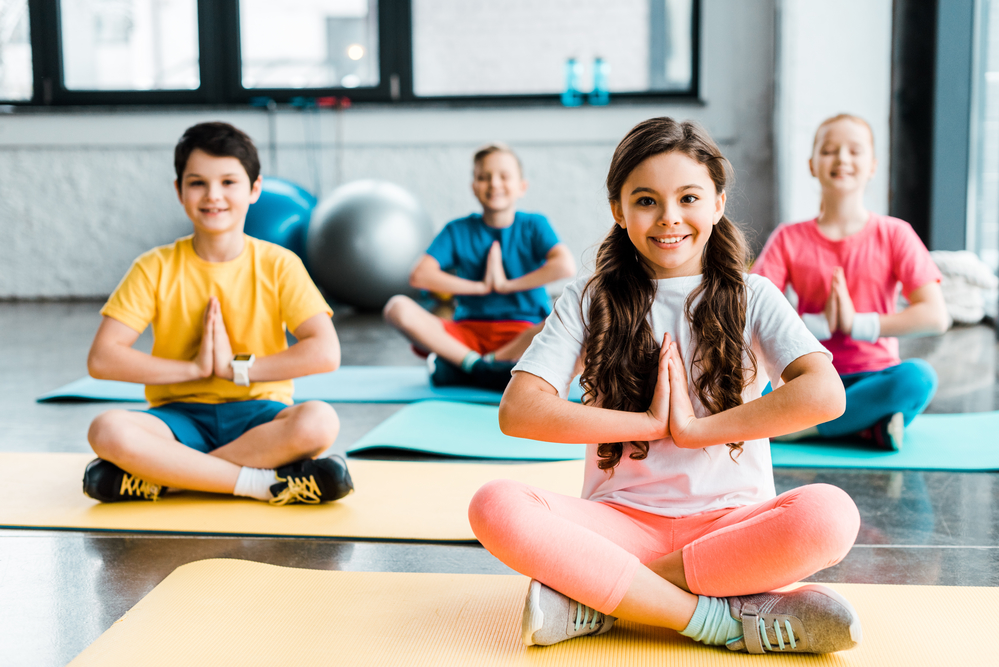
Tip for prevention: Strengthening the core, back, and shoulder muscles through swimming, yoga, or playful climbing activities helps maintain proper spinal alignment.
Effects of Poor Posture
Physical health impacts:
-
Back, neck, and shoulder pain
-
Muscle fatigue and imbalance
-
Higher injury risk during sports or play
Developmental impacts:
-
Can affect spinal growth and alignment
-
May influence balance, gait, and coordination
-
May contribute to headaches or eye strain
Long-term consequences:
-
Chronic pain into adulthood
-
Hard-to-correct posture habits
-
Potential impacts on lung function and digestion in severe cases
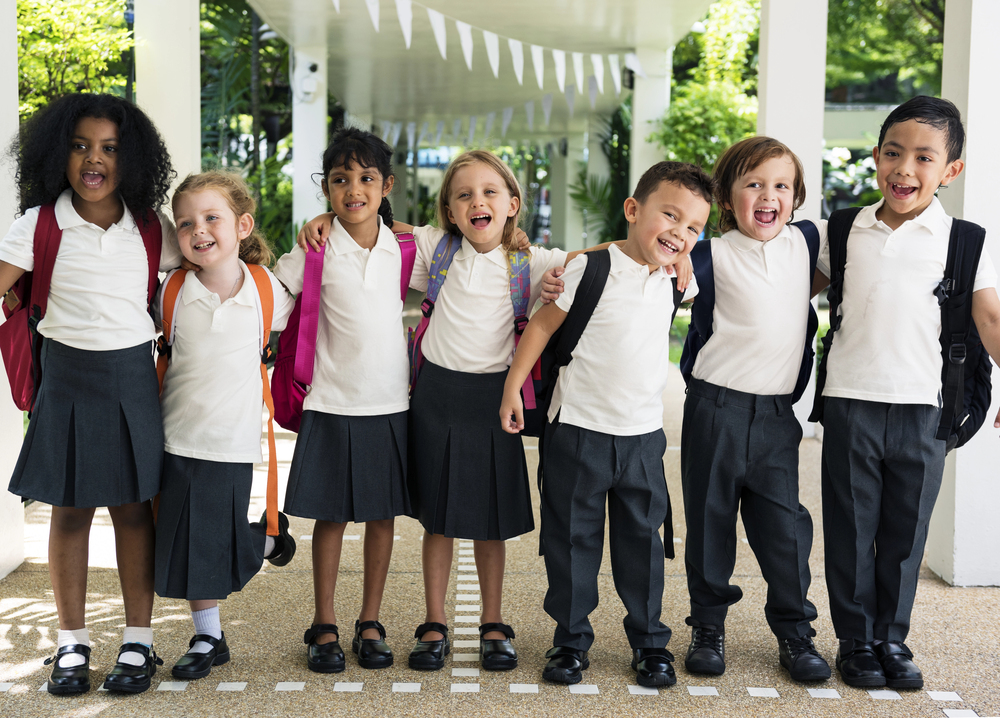
4. Supporting Healthy Posture: Simple Daily Strategies
-
Backpacks: Both straps, ≤10–15% of body weight, high on the back.
-
Footwear: Supportive shoes for daily activities and sports.
-
Desk setup: Chair and desk heights matched to child; screens at eye level.
-
Movement: Break up sitting periods with stretches, walks, or play.
-
Strengthen muscles: Core exercises, swimming, climbing, or balance-focused activities.
-
Screen use: Encourage proper ergonomics and regular breaks.
Mini parent challenge: This week, check your child’s shoes and backpack weight each morning—notice any changes in comfort or posture.
5. Neurodivergent Children: Extra Support
Neurodivergent children may have heightened sensitivity to discomfort, proprioception, or sensory triggers. Small issues can feel amplified.
Strategies for support:
-
Sensory-friendly shoes: Soft, flexible, secure fastenings.
-
Weighted or supportive backpacks: Reduce strain while providing gentle feedback.
-
Movement breaks: Short, frequent sessions to prevent stiffness.
-
Adaptive furniture: Cushions or chairs that support posture.
-
Collaborative routines: Ask your child to rate comfort 1–5 each morning and adjust shoes, straps, or seating as needed.
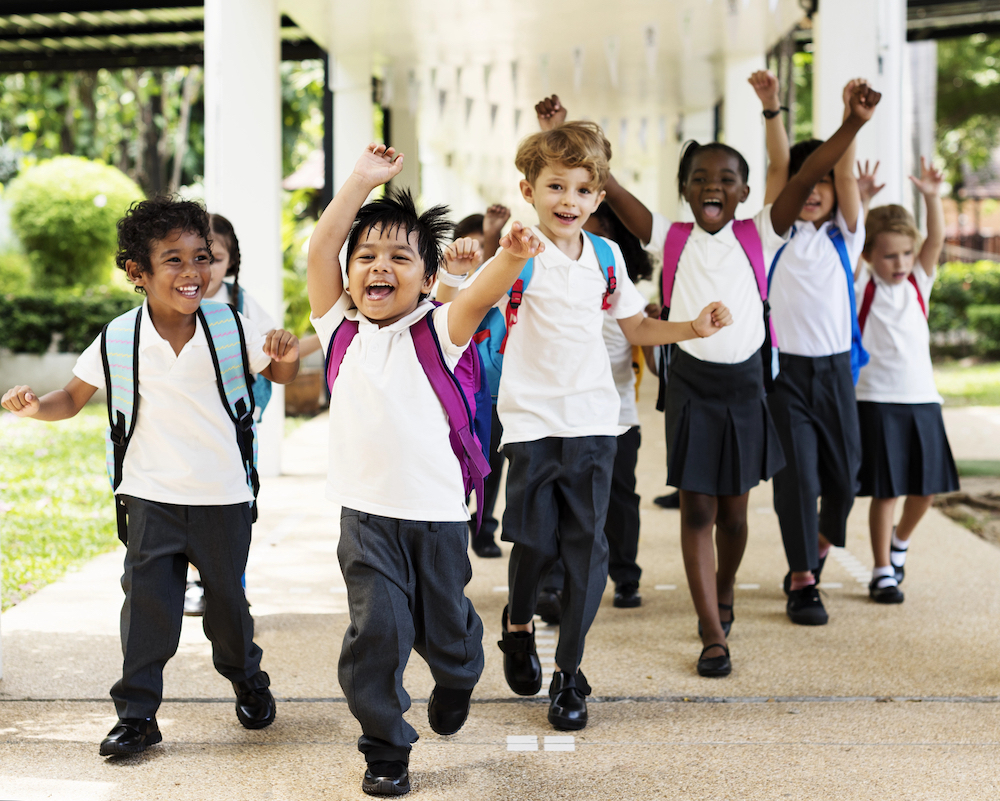
Parent Checklist: Healthy Posture & Footwear
| Area | What to Check | Prevention Strategy |
|---|---|---|
| Shoes | Blisters, redness, and cramped toes | Proper fit, supportive, measure regularly |
| Backpacks | Leaning, strap marks, heavy load | Adjust straps, keep weight ≤10–15% of body weight, use both straps |
| Desk/Screen | Slouching, forward head | Ergonomic setup, screen at eye level |
| Movement | Stiffness, fatigue | Frequent breaks, active play, stretching |
| Core Strength | Weak posture, hunching | Swimming, yoga, and balance exercises |
| Neurodivergent Needs | Sensory discomfort | Flexible shoes, adaptive backpacks, involve the child in noticing discomfort |
Final Thoughts for Parents
Noticing these signs doesn’t mean you’re doing anything wrong—it just helps you support your child better. Small adjustments, regular monitoring, and encouraging movement can help your child grow with confidence, comfort, and strong posture habits.
Call-to-action: Try these tips for a month and see how your child’s posture improves—share your experience with us! Consider consulting a pediatrician or physiotherapist if you notice persistent pain or posture concerns.