
Kiddipedia
We’re all so busy these days. Rushing home to fetch one child from after-school care only to take another child to sport. Back at home, there are a million things to do, and never enough time. As my work as a psychologist, families are often surprised when I ask them about what responsibilities their children have. I’d guess that about 70% of the time we find that it’s not happening yet. It’s perfectly understandable: it’s always quicker to ‘just do it yourself’ and the learning curve for children doing fairly simple tasks can seem to take years.
Few children would volunteer to do chores – participation and responsibility is something that has to be taught. But it’s only fair: if you produce clothes to be laundered, consume food and generate dirty dishes, and tread dust through the house, then you should help to tackle these. So what can a system of chores look like, and how does it benefit the children and their family?
Start small
Firstly, it often works best if each child is allocated a couple of things to do each day, and a couple each week. That way everyone knows what to expect, and it is clear if these haven’t been done. Children and teens do not respond well to a sudden request to “Come and help me with this,” – they are most often buried in something that they are busy with- and sometimes this is even claimed to be homework.
Having a role to play in your family’s household work is a powerful tool for developing genuine teamwork, and a much more grounded sense of how many different jobs that parents have to do. If you can orient a teen to taking their chores seriously and doing them with thoughtfulness, I have found that this greatly increases their empathy for their parent, who is often so hard-pressed.
Make them feel accomplished.
Another important aspect is the pride that this can generate. If kids are allowed to develop a ‘specialist’ role (eg the one who makes perfect coffee, or who can grow great broccoli) this provides a concrete enhancement for their self-esteem. Too often, things at school or in their preferred sport can feel as if they aren’t going to well – and you may not hear about it. A special and appreciated role can provide a real boost to them, and endorse that they are useful and needed.
Chores are also essential for building life skills. Just think where you would like your child or teenager to get to by the time they are 18 or 19, and need to be independent. They’ll need skills such as:
- Becoming a competent driver.
- Able to use public transport with ease, including to new places.
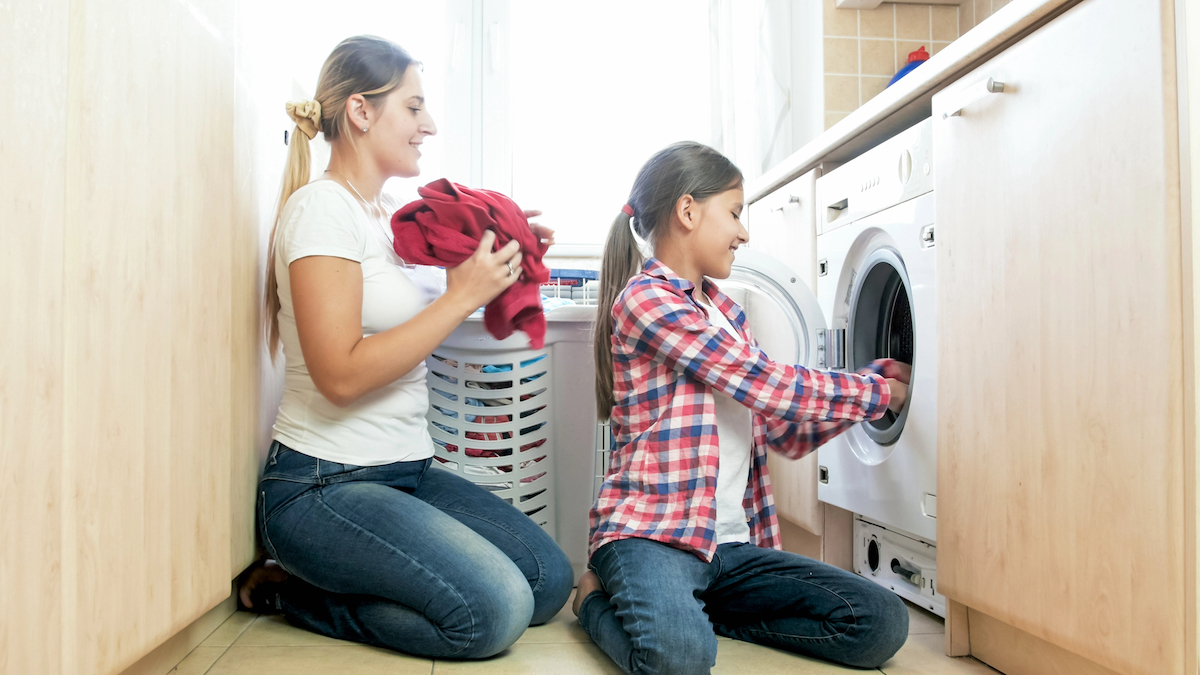
- Able to manage all of the main household tasks eg washing, cleaning all rooms, tidying the kitchen, and mowing the lawn/ doing weeding and mulching without fuss.
- Able to pack lunch for another person and to cook a credible range of breakfasts and dinners, and to plan menus, budget, and shop for the ingredients.
- Able to pay utility bills and solve problems over the phone or in person for minor issue and faulty goods.
- How to fix small things that are broken eg a door hinge.
- How to look after animals correctly.
- How to care for a person who is unwell with a cold or fever, and when to call the doctor.
- When to take a person to hospital.
These skills aren’t built overnight, so the earlier they start the better off they’ll be in the long term.

 Jari Evertsz is a Melbourne-based clinical psychologist and author of The Well-Behaved
Teenager (and Other Myths), now available in eBook and paperback from inspiringbookshop.com, Amazon, and all good bookshops.