Dr Tanya Unni
Dr Tanya Unni
Weight gain is a natural part of pregnancy but how much is too much?
First of all, let’s put a myth to bed.
The notion of ‘eating quantity for two’ is outlandish and long discarded. You don’t have to eat for two adults. It’s a tiny little bud of life in your tummy and not a big fat elephant in the room.
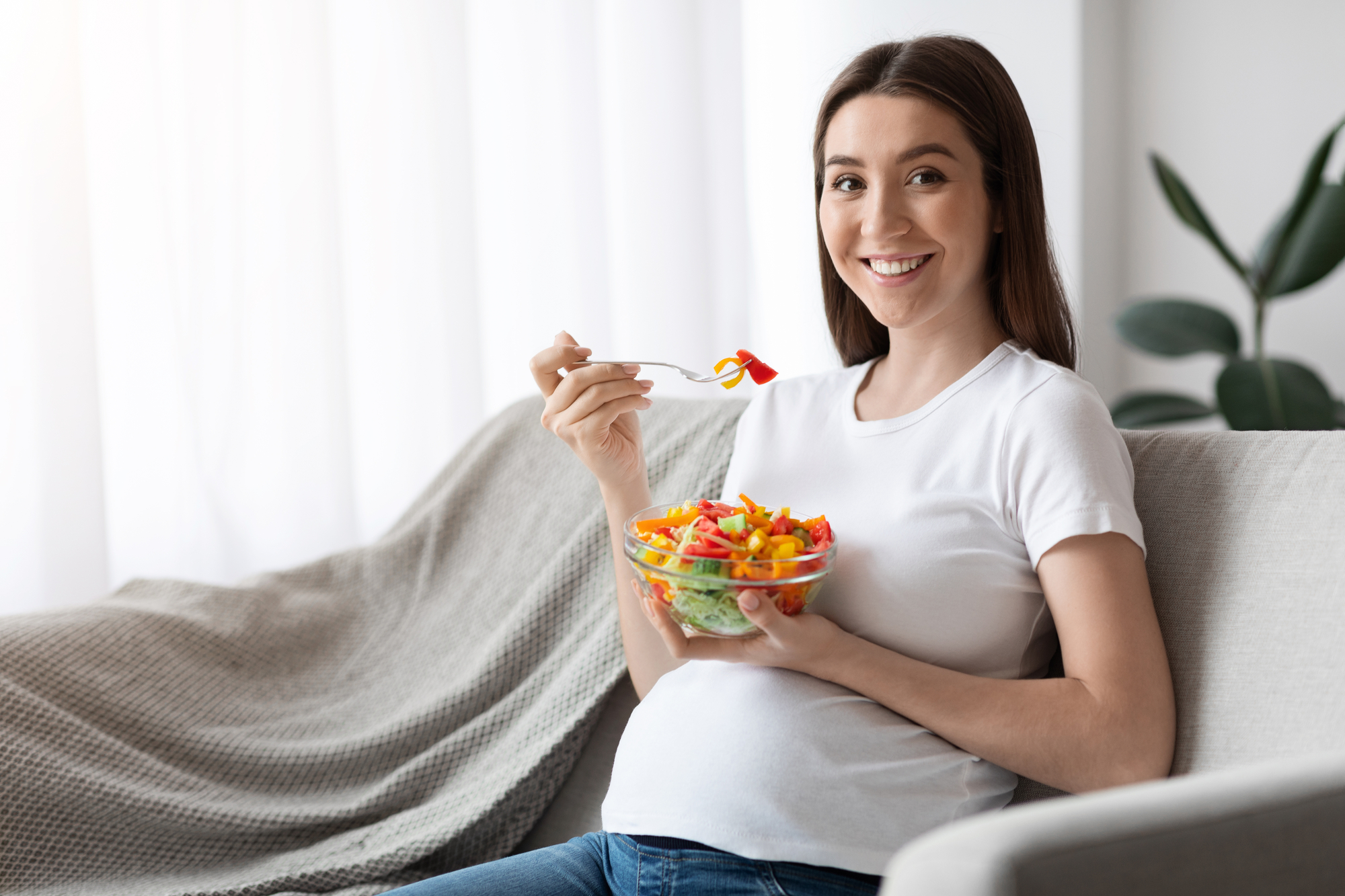
However, you are eating nutrition for two. What a woman eats and drinks during pregnancy is her baby’s main source of nourishment. Therefore, you must maintain a healthy, balanced diet
So how much should you eat?
Most women don’t need to increase their calorie intake in the first six months of pregnancy at all. The normal calorie intake suggested for women per day is between 1,600 to 2,400 calories. A pregnant woman also needs just as much. Pregnant women only need an extra 200 calories per day in the last three months of pregnancy.
How much weight should I gain?
For women with a normal pre-pregnancy weight, a weight gain of 11-16 kg during pregnancy is normal. If a woman is overweight to start with, she may gain more than the average. So, overweight women need to monitor their weight gain. If you are underweight at the start of pregnancy, then you need to follow the instructions of your doctor and try to reach sufficient weight.
Use this table as a guide
| Pre-pregnancy weight | Desirable weight gain |
| Underweight with a BMI of less than 18.5 | 12.5-18 kilos |
| Normal weight with a BMI of 18.5-24.9 | 11-16 kilos |
| Overweight with a BMI of 25- 29.9 | 7-11 kilos |
| Obese with a BMI of 30 or greater | 5-9 kilos |
What is the danger of too much weight gain?
Gaining too much weight during pregnancy can lead to several complications:
-
High Blood Pressure: Increased risk of gestational hypertension.
-
Gestational Diabetes: Higher likelihood of developing diabetes during pregnancy.
-
Large for Gestational Age (LGA) Babies: Can lead to delivery complications and increased risk of cesarean section.
-
Postpartum Weight Retention: Difficulty losing weight after birth, which can lead to long-term obesity.
Monitoring weight gain and maintaining a healthy lifestyle can mitigate these risks.
What is the danger of not enough weight gain?
Not gaining enough weight can also pose risks:
-
Low Birth Weight: Babies may be born weighing less than 2.5 kg, increasing the risk of health issues.
-
Preterm Birth: Higher chance of delivering before 37 weeks.
-
Developmental Delays: Potential for delayed growth and development in infancy.
Ensuring adequate nutrition and regular prenatal check-ups can help prevent these outcomes.
So, what should I eat during pregnancy?
A balanced diet rich in essential nutrients supports both maternal health and fetal development. Pregnant women need more calcium, folic acid, iron and protein to support their growing baby.
Here’s a breakdown of the most important nutrients and where to find them:
-
Folic Acid: Crucial for preventing neural tube defects. Found in leafy greens, fortified cereals, legumes, breads, beans, and citrus fruits.
-
Iron: Supports increased blood volume and helps prevent anemia. Good sources include red meat, poultry, fish, dried beans, peas, and iron-fortified cereals.
-
Calcium: Important for developing strong bones and teeth. Found in milk, yogurt, cheese, tofu, sardines, and salmon.
-
Protein: Essential for tissue growth. Found in lean meats, poultry, fish, eggs, nuts, and legumes.
To ensure you’re meeting all your nutritional needs, consult with your healthcare provider about taking prenatal vitamins and mineral supplements. (health.gov.au)
Aim for a daily mix of the five essential food groups:
-
Fruits
-
Vegetables
-
Whole grains
-
Lean protein
-
Dairy
👉 Avoid:
-
High-sugar foods (to lower gestational diabetes risk)
-
Excess caffeine
-
Processed or takeaway meals
Should I exercise during pregnancy?
Yes—gentle exercise is beneficial for both you and your baby. It can help manage weight, reduce discomforts like back pain and constipation, and improve mood.
Pregnant women are encouraged to aim for 2½ hours of aerobic activity each week, such as:
-
Walking
-
Swimming
-
Low-impact aerobics
-
Prenatal yoga
Always check with your doctor first, especially if you have any health conditions or pregnancy complications.
While some of the antenatal weight gain will be lost after giving birth, some of it is likely to linger for a few more months. It is important to accept the changes in the body that come with pregnancy and build confidence around the new normal.
Embrace the change
Some weight will naturally fall away after birth, but some will take time. That’s okay. Your body is adjusting to its new normal. Show yourself compassion, and celebrate the incredible work your body has done.
—
Dr Tanya is a Director of Amtan Medical Group and Skin Lab & Beauty. Amtan Medical Group recently launched a new service model for expecting and new mothers which includes antenatal care; pregnancy and birthing education; postnatal care including home visits and feeding assistance; infant massage instruction teaching baby massage, settling techniques and sleep support; nutrition plans; mental health and wellness; health checks; and postnatal depression support. Dr Tanya is also a busy mother of two.