
Kiddipedia
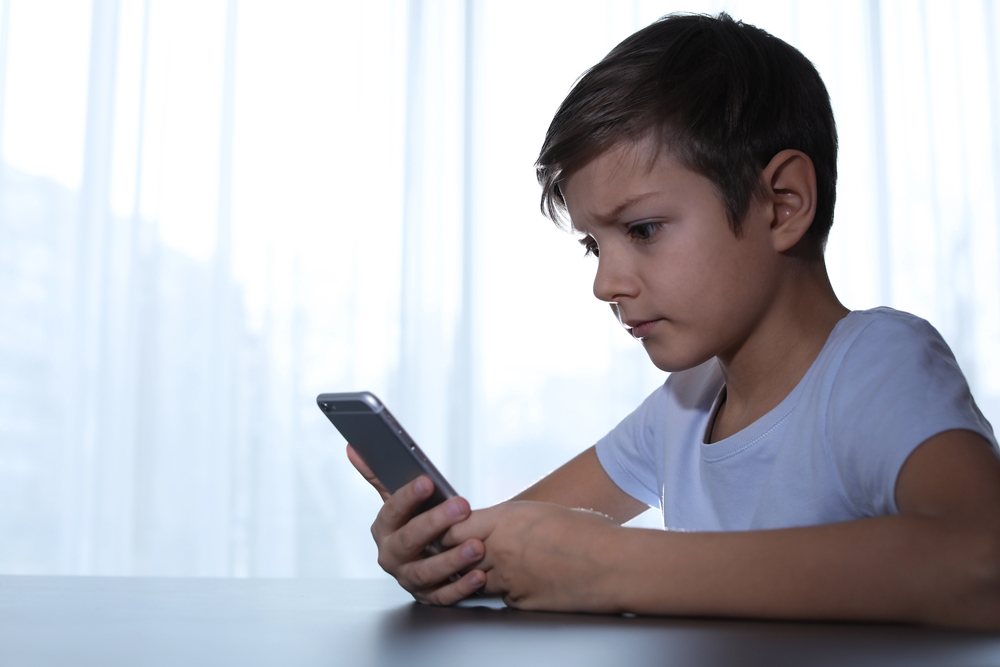
Welcome to the world of parenting a teenager. They’re fabulous, aren’t they? That is, until they do something so ‘out there’ that you feel something really needs to happen. In my clinical practice I have often heard parents say that they have to do something. And they feel they should take away something. The most obvious thing to remove is an electronic device or ‘going out’ privileges and the angrier the parent feels, the longer they are taken away for!
So – what’s wrong with that? Firstly, it is often a knee-jerk reaction. With teens you don’t have to react in the moment. Giving yourself some more time to consider your options is far preferable. Secondly, your response might arise from exasperation and a state of anger. That’s just going to cause an escalation with raised voices and generally worse feelings all around. And lastly, repeating this set of consequences doesn’t really teach the child very much – it’s more of a simple focus on punishment.
What might be more helpful?
The first thing is not take infuriating behaviours to heart when they occur. Whatever it is – rudeness, defiance, lack of co-operation, lying etc are all really common during this developmental stage. So do try not to take it personally or let it hurt your feelings. Your neighbours with kids the same age are probably experiencing something very similar!
The second thing to do, is to remember that your relationship with this child is really important. Try to take the long-term view and don’t be drawn in to the game of insults, shouting, and hurtful exchanges.
I recommend that you remember your adult power. When a teenager is in the act of doing something awful, it can feel like you are out of options and hitting a brick wall; but this isn’t usually the case. Remember that you also provide a welcome to their friends in your home, help with homework and projects, organise trips and sleepovers, take them places when they ask, cook special dinners, provide all sorts of non-essential ‘extra’s’ and general advice and assistance. There’s a lot more room in all of those for appropriate consequences, than just the same old ‘grounding’ and ‘taking your screens away’.
Remember – you can wait hours, or even a day to let your child know of your plan – which gives you time to calm down, talk to others about it, and design the best possible consequence. Don’t feel that you have to always provide a completely predictable or ‘same’ response either, eg when coming home late automatically results in their phone being taken away for one week. However, consequences must be absolutely fair and lacking in any hint of emotional ‘backlash’ from you.
Don’t overreact
When adults do react in the moment and out of anger with the same old banning and grounding consequences, teenaged children often respond with seeming indifference. This situation gives them time-worn things to complain to their friends about, which reinforces an attitude of negativity towards you. They may develop the view that they shouldn’t have to co-operate with you because you are so mean and unfair and they may form an opinion that their parents are ‘dumb’ for being so un-imaginative!
Instead, perhaps start (once you feel calm and supported) by briefly explaining your feelings, or share with them that this situation causes you a dilemma. Then let them know what the consequence is – and try to incorporate some kind of teaching element here. After all, you want them to grow positive values and learn to consider the welfare of others.
When you are talking about this, try and keep it as quiet and thoughtful as possible, and don’t turn it into a long lecture. A simple explanation that you think they need to learn a bit more about responsibility and being there for their family and so they will need to walk the dog for 30 minutes a day, do everyone’s washing for the week, or help clean out the garage may well get you a better response…. and a calmer teenager.

 Jari Evertsz is a Melbourne-based clinical psychologist and author of The Well-Behaved Teenager (and Other Myths), now available in ebook and paperback from inspiringbookshop.com, Amazon, and all good bookshops.