Kiddipedia
There’s nothing quite like a sunny day by the backyard pool, kids laughing, splashing, and having fun. But the truth is, it only takes a few seconds for something to go wrong. Drowning is the leading cause of accidental death for children under five in Australia, with around one child lost to a pool accident every week. And it’s not just about the water itself—Poolwerx found that one in five parents admits to getting distracted by their phones while supervising young swimmers. Even a moment’s lapse can be risky.
But here’s the hard truth: drowning is the leading cause of accidental death for children under five in Australia, and on average, one child loses their life to a pool accident every week. What’s even more alarming? New research from Poolwerx[1] shows that one in five parents admits to being distracted by their phones while supervising young swimmers.
It’s a sobering reminder that even a few seconds of distraction can turn a fun summer day into a tragedy.
That’s why Poolwerx is championing the Responsible Pool Person, and why it’s worth taking seriously this summer. This isn’t just about wearing a hat; it’s about committing to a single-minded focus on safety, understanding your child’s risks, and creating an environment where drowning doesn’t stand a chance.
How to Be a Cutting-Edge Responsible Pool Person
Being a Responsible Pool Person is more than a pledge—it’s a framework for keeping kids safe that combines research-backed strategies and practical actions. Here’s how to step up this summer:
1. Nominate Your Responsible Pool Person
Designate one adult per swim session to be the sole supervisor, free from phones, drinks, or chores. Poolwerx makes it fun with a free Responsible Pool Person hat—but the real impact comes from committing to zero distractions. Rotating the role ensures everyone stays alert while enjoying the pool.
2. Reassess Your Pool Fence
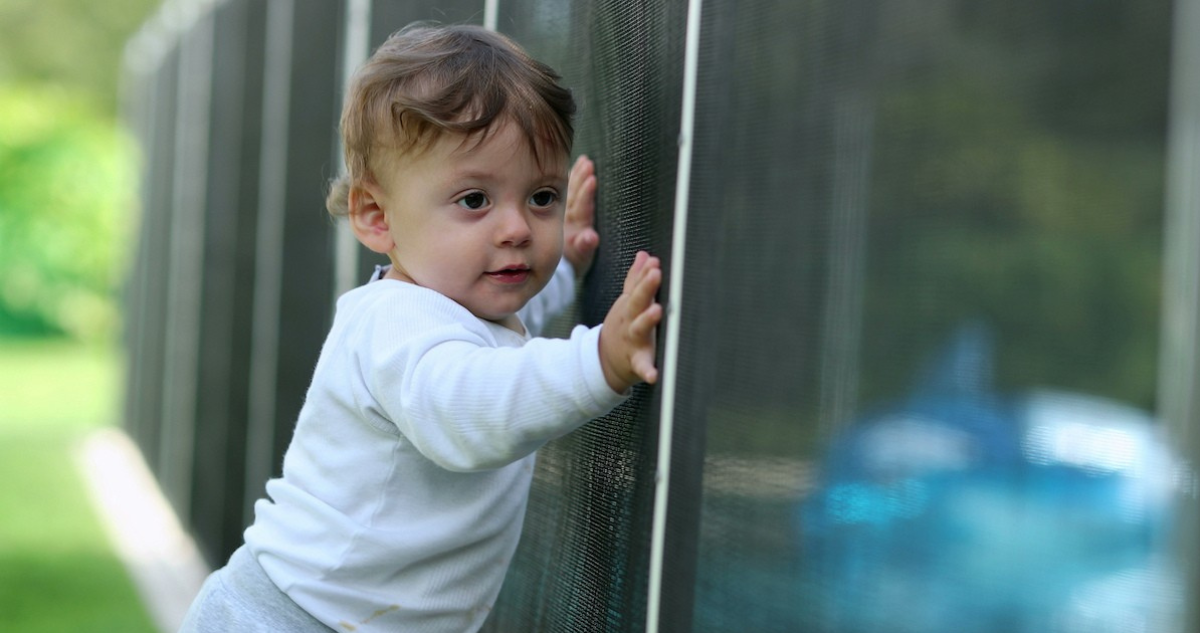
Sure, your fence might meet the legal minimum of 1.2m, but modern research shows children find creative ways to climb or manipulate gaps. Make sure there are no climbable objects within 1m of the fence, including trees, pot plants, or chairs, inside or outside the pool area.
3. Upgrade Pool Gates
Experts recommend self-closing, self-latching gates that are never propped open. Even minor maintenance issues, like sagging hinges or loose latches, significantly increase the risk of unsupervised access.
4. Remove Toy Temptations
Pool toys can be more dangerous than they seem. Floating toys outside swim time are like an invitation for little ones to reach, climb, and enter the water. Store them safely out of reach to eliminate temptation.
5. Minimise Distractions—Seriously
We know it’s tempting to scroll your phone or chat while poolside, but studies confirm that any lapse in attention increases drowning risk exponentially. Make supervision your primary—and only—task.
6. Display Life-Saving Information
Post a CPR chart in plain view. Emergencies happen fast, and having step-by-step guidance instantly accessible can save precious seconds. Consider QR codes linked to video demonstrations for extra safety.
7. Teach Water Confidence and Survival Skills
Modern safety isn’t just barriers and supervision. Experts suggest children as young as 12 months can benefit from age-appropriate water survival skills, including floating on their back, reaching the pool edge, and calling for help. Combining these with structured swimming lessons dramatically reduces risk.
Why This Matters More Than Ever
The reality is that toddlers are impulsive, curious, and fast, while parents are often stretched thin. With summer heat, social gatherings, and longer pool sessions, it’s tempting to multitask. But drowning prevention is about intention and presence, not just infrastructure.
Taking these steps isn’t overkill—it’s proactively protecting lives, setting a standard for friends and family, and teaching children that water is fun, but it demands respect.
Your Summer Safety Checklist
-
Nominate a Responsible Pool Person (or multiple for rotation)
-
Check fences and gates for gaps, height, and maintenance
-
Remove climbable objects from the pool perimeter
-
Store toys safely when not in use
-
Eliminate distractions while supervising
-
Display CPR instructions for instant guidance
-
Invest in swimming lessons and survival skills
By implementing these research-backed, expert-endorsed strategies, you’re not just ticking boxes—you’re creating a safer environment where kids can enjoy the water with confidence.
For more information on how to stay safe by the water this summer, or to find your local Poolwerx to pick up your Responsible Pool Person hat, visit Poolwerx Responsible Pool Person.
For more information on how to stay safe by the water this summer or to find your local Poolwerx to pick up your bucket hat, visit www.Poolwerx.com.au/Responsible.
[1] Source: Poolwerx independent survey 2020 – 275 participants