
Kiddipedia
Hot summer days call for fun new activities, I say! ☀️
If it’s too hot to be outside all day, here’s a fun, educational activity to fill a lazy summer afternoon. It will fill their bellies with nutritious fruit and get their minds working, helping them get ready to start a new year.
Age Group: Toddlers, Preschoolers, Primary School Children
Note: Questions and learning goals can be adapted depending on your child’s age.
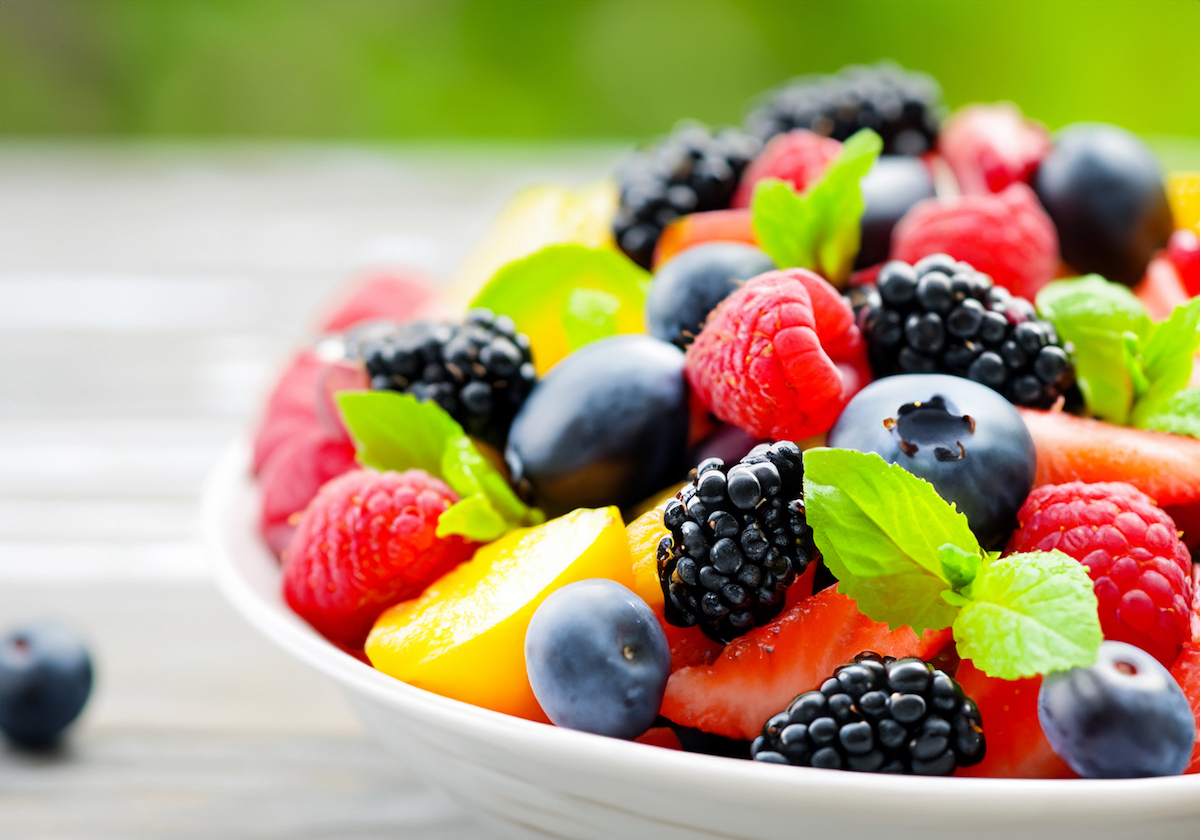
Ingredients for Your Fruit Salad
Your fruit salad can include any of your favourite fruits:
- Apples
- Oranges
- Pears
- Grapes
- Watermelon
- Cantaloupe / Rockmelon
- Pineapple
- Blueberries
- Strawberries
- Mangos
- Kiwi
- Apricots
Tip: Cut fruit into small, child-friendly pieces. Place leftover fruit in an airtight container in the fridge for later.
Materials You’ll Need
-
Paper
-
Pens
-
Clock (preferably analogue)
-
Coins (for pretend play)
Money Awareness Through Imaginary Play
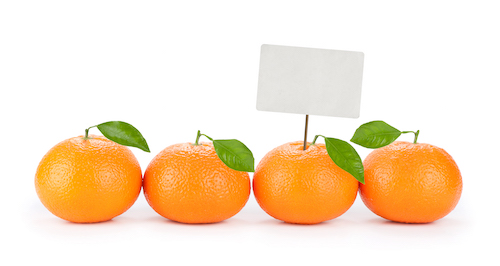
Teaching money awareness through imaginary play
Teaching money awareness through pretend play helps children develop numeracy, problem-solving, and executive function skills (Singer & Singer, 2005).
Steps:
-
Give each child coins so they can “buy” the fruit.
-
Pretend you’re in a fruit shop.
-
Make price cards for each piece of fruit.
-
Practice buying and selling fruit, including giving exact change.
-
Once the fruit salad is ready, pretend you’re in a café. Take turns ordering from the menu, again practising buying, selling, and giving exact change.
Parent Tip: Keep the play light and fun—focus on conversation, role-playing, and interaction.
Where Did the Fruit Grow From?
Teaching children about food origins supports scientific curiosity and early biology concepts.
| Type of Fruit | Examples |
|---|---|
| Tree | Apples, Oranges, Pears |
| Bush | Strawberries, Blueberries |
| Vine | Watermelon, Grapes, Cantaloupe / Rockmelon |
Tip: Encourage kids to talk about how fruit grows, linking the activity to nature and science learning.
Math Fun with Fruit
Math can be playful and tasty! 🍎
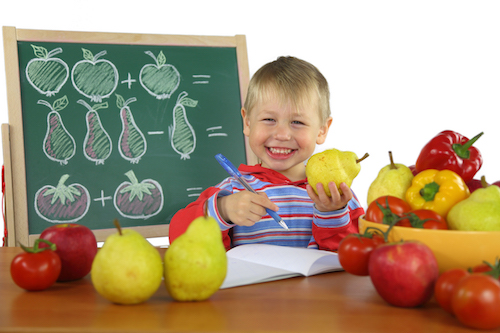
Teaching math can be fun!
Makeup problems:
1. Simple Number Problems
Write sequences on paper and ask kids to translate phrases numerically (or vice versa):
-
Three pieces of banana minus two oranges equals one piece of fruit → 3 – 2 = 1
-
Five pieces of apple plus three grapes equals eight pieces of fruit → 5 + 3 = 8
2. Fractions
When cutting fruit, explain fractions:
-
“This orange is cut in half / quarters—what does that mean?”
-
Helps children understand division and proportional reasoning.
3. Colour Grouping (Toddlers/Preschoolers)
-
Serve a bowl of fruit salad.
-
Ask your child to group similar colours together, enhancing pattern recognition and early math skills.
4. Time Awareness (Older Children)
-
Note the time when starting the activity.
-
Teach them to read an analogue clock.
-
At the end, ask how long the activity took, reinforcing time concepts.
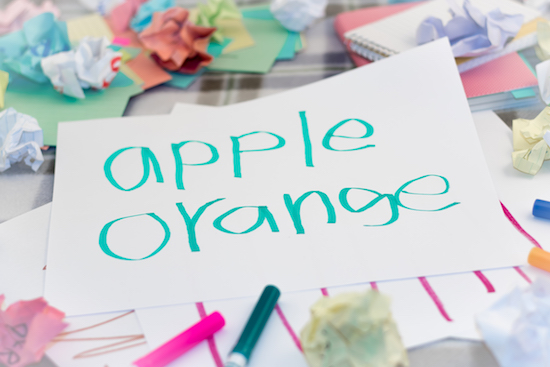
Get the Kids to Write names of the Fruits for PracticeFruit
Vocabulary & Spelling Practice
Toddlers & Preschoolers:
-
Write the name of each fruit on paper.
-
Ask your child to match the word with the fruit, helping with early literacy.
Older Children:
-
Challenge them to spell each fruit’s name within the salad activity.
Parent Tip: Encourage conversation about textures, tastes, and smells for added sensory learning.
Sit Back and Enjoy!
After all the learning, enjoy a refreshing bowl of fruit salad together.
Parent Tip: Praise effort and engagement, not just “correct answers.” This strengthens confidence and enjoyment in learning.
Bonus: Fruit Word Unscramble
Try unscrambling these letters to make a perfect fruit salad:
EPAPL ………………………………..
GOERNA ………………………………..
PASRGE ………………………………..
NANBAAB ………………………………..
RAEP ………………………………..
YLBRUEBER ………………………………..
WBTRYREASR ………………………………..
GONAM ………………………………..
HEAPC ………………………………..
Tip: This activity boosts spelling, reading, and memory in a fun way.
Enjoy!
You might also like to read:
How to Teach Your Kids a Healthy Lifestyle