From conception to their second birthday, our little ones undergo incredible changes. Every bite they take contributes to their long-term health and happiness.
In the sea of advice, there’s one principle worth paying particular attention to: the importance of introducing bold flavours and textures to our babies’ diets.
You might wonder why exposing tiny taste buds to adventurous tastes is necessary so early on. Well, it’s because their taste buds are incredibly adaptable, and early exposure to diverse flavours can shape their eating habits for life.
Contrary to what many believe, babies aren’t born with set food preferences. They’re eager to explore new tastes and textures, from sweet fruits to savoury fish. By introducing a variety of flavours, we can help them develop a love for healthy foods.
But it’s not just about taste – it’s about providing the nutrients they need to grow. Bold flavours often come from nutrient-rich foods like leafy greens and whole grains, which are essential for their development.
Here are some nutrient-packed ingredients to consider adding to your baby’s diet during this critical period:
- Bone Broth: Bone broth is a great way to include more collagen and amino acids such as glycine and proline. These are great for supporting gut health and the immune system. Adding apple cider vinegar (or other acids) and cooking for a longer time when cooking at home helps minerals leach out of the bones, making them easier to digest.
- The Rainbow: Eating a variety of fruits and veggies in those First 1000 Days means you’ll unlock antioxidants, vitamins and minerals from each plant group which supports healthy growth.
- Chicken Liver: is a rich source of iron, vitamin A, and vitamin B12, crucial for growth and development. (1-2 tablespoons per week is plenty to avoid excessive Vitamin A intake!)
- Salmon: Rich in Omega-3 fatty acids, essential for brain development and overall health.
- Spices: Each spice has a unique set of health benefits. They are rich in antioxidants and other bioactive compounds that support health and well-being..
Equally crucial is the role of diverse textures in developing oral motor skills and encouraging self-feeding. From the satisfying crunch of a fresh apple to the tender flakiness of baked fish, exposing babies to a variety of textures helps them learn to handle and explore food with their hands and mouths – a vital step in their journey towards independent eating.
Embracing bold flavours and varied textures may pose challenges. It can be messy, chaotic, and occasionally difficult. However, the benefits far outweigh the inconveniences. By encouraging our babies to explore and experiment with a wide range of foods, we’re laying the foundation for a lifetime of healthy eating habits.

By Jessica Kurosaki, Accredited Practicing Dietitian Specialising in Infant Nutrition
]]>Here are seven great reasons why you should be incorporating more salmon into your child’s diet this Easter long weekend.
- It can fuel their growth. Salmon is a rich source of protein which is essential for contributing to the growth and maintenance of muscle mass Protein contributes to their ability to repair and build muscles, make new blood cells, and provide the energy they need to make it through the day. Growing kids, especially, need to get enough protein to aid physical growth, produce healthy joints and bones, and give them adequate energy for focus and concentration.
- It can support brain development. Salmon is a great source of omega-3 fatty acids Not only are these essential fats crucial for brain development, but they naturally help to keep the body’s immune system in balance. There is also some evidence to show that these fats can play a role in cognitive development and functioning, which is important for busy, active and developing kids1.
- It can support energy production. Salmon is a rich source of B-group Not only do B group vitamins play a key role in energy production, especially for those who need plenty of energy like kids but specifically Vitamin B12 that are involved in mood regulation, memory and concentration helping to keep our kids happy, healthy and their minds working as quickly as they do.
- It can be good for eye health. Given how hard-working our eyes are, it’s incredibly important to protect and provide our children with the proper nutrients for this vital organ through their food choices. Salmon can be beneficial for our child’s vision, as it contains high levels of omega-3 fatty acids, vitamin D, and niacin which play various critical roles in their eye health.
- It can support bone health. Salmon is rich in vitamin D and magnesium, both of which are essential for bone growth Magnesium is particularly important for kids because the best time to influence bone mass is in the early years, before peak bone mass is achieved during their adolescence.
- It can be great for heart health. Salmon is also packed with heart-healthy nutrients that may help lower triglycerides, reduce blood pressure, and lower the risk of cardiovascular Plus, salmon is a great source of potassium, an important mineral for balancing blood pressure and benefiting your child’s heart health.
- It can help them get a better night’s sleep. And if there weren’t already enough health benefits of eating more salmon, salmon is also a good source of vitamin B6 and protein, which can promote the production of sleep hormones that help our little ones stay full and rested throughout the night, leading to a better night’s sleep.
- Emery, S., Häberling, I., Berger, G., Walitza, S., Schmeck, K., Albert, T., Baumgartner, N., Strumberger, M., Albermann, M., Drechsler, R. Omega-3 and its domain-specific effects on cognitive test performance in youths: A meta-analysis, Neuroscience & Biobehavioral Reviews, Volume 112, 2020, Pages 420-436.
- Johnson S. The multifaceted and widespread pathology of magnesium deficiency. Med Hypotheses. 2001 Feb;56(2):163-70. doi: 10.1054/mehy.2000.1133. PMID:
With significant brain growth and development occurring during the first 5 years of a child’s life, naturally the foods we choose to nourish our children with throughout these years is important. Not only does our daily choice of foods ensure that they brain has access to the key nutrients that help to support optimal cognitive performance, but the more we learn about the brain, the more we come to understand how the mix of different fats in our diets impact brain health throughout our lives. So when it comes to kids and brain health, here are some of the nutritional powerhouse to include in your family’s diets regularly.
Atlantic salmon
There are few foods that tick the brain power box to the extent that Atlantic salmon does. Not only is Atlantic salmon one of the richest natural sources of Omega-3 fats, the type of fat that is intricately involved in brain functioning, but in addition the range of B group vitamins including Vitamins B1, B2, B3, B6 and B12 are individually associated with a range of key physiological functions including energy production, language development and memory. Ideally growing children need to include a rich source of omega 3 fats in their diets 2-3 times each week. For quick and easy Tassal Atlantic salmon recipes for kids, please see one below:

Salmon & Veggie Bites
INGREDIENTS:
260g Tassal Fresh Tassie salmon, skin-off
200g sweet potato
2 carrots, grated
1 zucchini, grated
1 tsp dried dill
Olive oil spray
METHOD:
STEP 1
Preheat oven to 190°C, and peel the sweet potato and chop into large chunks. Place water in a saucepan with steamer over the top with sweet potato in it. Steam sweet potato for 5-10 mins until soft. Set aside to cool.
STEP 2
Chop salmon into large chunks and place salmon, cooked sweet potato and dill in a food processor. Blitz until smooth.
STEP 3
Transfer salmon mixture to a large bowl and mix through carrot and zucchini.
STEP 4
With wet hands, form the mixture into 24 balls. Place onto an oven tray and spray with olive oil (or place in mini muffin trays).
STEP 5
Cook for 20 mins, cool and pack in a lunchbox and enjoy!
Recipe courtesy of Kidgredients
Nuts
Often forgotten as superfoods for children because of their link to allergies, for families not impacted by allergies the reality is that nuts are nutrient dense foods that have much to offer children and adults alike. With essential fats, including the plant sources of omega 3 fats, protein, fibre and micronutrients including zinc, adding a serve of nuts or Mayvers 100% spreads in your child’s diet when they can enjoy nuts safely at home is a no brainer.
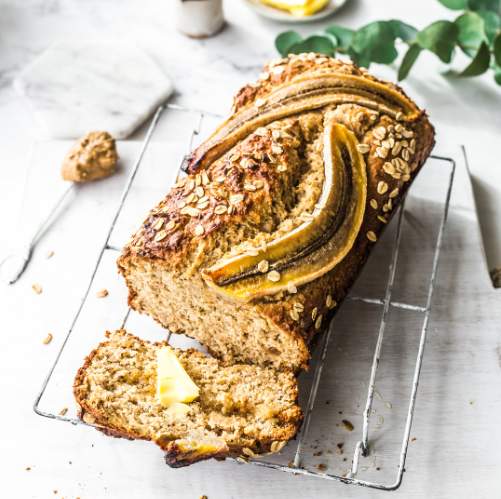
Peanut Butter Banana Bread
Time: 25mins I Serves: 6-8
Ingredients
2 cups wholemeal self-raising flour
½ cup sugar
50g butter, melted
3 very ripe bananas
2 eggs (beaten)
1 cup Mayver’s Protein Plus 5 Seed Peanut Butter
Method
- Mash banana and mix well with melted butter and eggs.
- Combine well with peanut butter.
- Sift flour, add sugar then mix well with wet ingredients.
- Bake at 160-180°C for 45-55 minutes until cooked through.
Yummy recipe by @susie_burrell_dietitian
Eggs
Not only are eggs a source of high biological value protein and a great filling breakfast option, they are also a good source of the vital nutrient choline. Choline has been shown to have a number of vital functions including optimal cell membrane function and neurotransmission which is linked to enhanced brain function. Serve them hard boiled, mashed on sandwiches or made into mini muffins or frittatas as handy snacks on the go.
Blueberries
With exceptionally high levels of antioxidants, a single serve of blueberries a day adds Vitamin C and fibre to the diet for minimal sugars and calories. Of particular interest is that of all the berries, blueberries have been specifically linked to improved cognitive function. When they are in season, try freezing them as a yummy snack for kids.
Green leafy vegetables
Not the easiest food to encourage small children to eat but whether it is broccoli, kale, spinach or bok choy you cannot go wrong when it comes to including leafy greens regularly in the diet of growing children. Rich in antioxidants it appears that the regular consumption of leafy greens helps to protect the brain against damage over time. Try blending leafy greens into smoothies if you have difficulty getting them into the diet of your little ones regularly.
To view on YouTube: